Precise thermal control is the single most critical factor in validating beehive gas detection data. In these experiments, temperature-controlled heating pads are essential because they eliminate thermal instability, which acts as a major variable in data collection. Without this control, fluctuations in ambient temperature effectively corrupt the dataset by altering both the chemical behavior of the gas and the electrical properties of the sensors.
By stabilizing the internal environment, heating pads isolate gas concentration as the primary variable. This allows researchers to distinguish between actual changes in chemical levels and "noise" caused by temperature shifts, providing the clean data necessary for calibration.
The Physics of Hive Environments
To understand why heating pads are non-negotiable, you must understand how temperature dictates the behavior of the two main components in the experiment: the chemical agent and the detection hardware.
Controlling Chemical Volatility
Common hive treatments, such as formic acid, are highly volatile. Their evaporation rate is directly tied to thermal energy.
If the temperature rises uncontrolled, the concentration of formic acid spikes; if it drops, evaporation slows. Heating pads ensure a constant evaporation rate, ensuring that any change in sensor reading is due to the sensor's response, not a sudden surge in gas production.
Stabilizing Semiconductor Behavior
The metal oxide sensors typically used in these experiments function as semiconductors. Their electrical resistance—which acts as the data signal—is inherently sensitive to heat.
A change in temperature will change the sensor's resistance even if gas levels remain constant. Heating pads maintain a fixed thermal baseline, preventing these false positives.
Eliminating Experimental Noise
The goal of a scientific experiment is to isolate variables. Beehives are naturally chaotic environments subject to weather and biological changes.
Simulating Biological Heat
Real bee colonies generate significant metabolic heat. Heating pads allow researchers to simulate this biological factor without the unpredictability of live bees during initial testing.
Overriding Ambient Fluctuations
External weather conditions cause the internal temperature of a hive to fluctuate. Heating pads override these ambient dips.
By maintaining a specific, constant temperature, the pads effectively "lock" the thermal variable. This creates a controlled environment where the only changing factor is the gas concentration.
Understanding the Trade-offs
While heating pads are essential for collecting foundational data, it is important to recognize the limitations of this approach when moving toward real-world application.
The Risk of Idealized Conditions
Heating pads create a "perfect" thermal environment that rarely exists in nature. Relying solely on this data without further adjustment can lead to sensors that fail in the field.
The Necessity of Compensation Algorithms
The ultimate purpose of using heating pads is not to fix the temperature forever, but to gather data for temperature compensation algorithms.
You use the pads to understand how the sensor behaves at specific, stable temperatures. You then use that clean data to program the sensor to mathematically "cancel out" temperature interference when it is deployed in a real, fluctuating hive.
Ensuring Data Integrity in Your Experiments
To maximize the value of your gas detection experiments, align your thermal control strategy with your specific data requirements.
- If your primary focus is Sensor Characterization: Use heating pads to hold the temperature at a strict constant (e.g., 35°C) to map the pure correlation between gas concentration and sensor resistance.
- If your primary focus is Algorithm Development: Use the pads to step through specific temperature plateaus, collecting dataset blocks that allow you to model exactly how the sensor drifts as heat increases.
Rigorous thermal management transforms a chaotic biological environment into a reliable scientific laboratory.
Summary Table:
| Factor | Impact on Experiment | Role of Heating Pads |
|---|---|---|
| Chemical Volatility | Fluctuating temperatures alter gas evaporation rates. | Ensures constant evaporation for stable gas concentration. |
| Sensor Resistance | Metal oxide sensors drift with temperature changes. | Maintains a fixed thermal baseline to prevent signal noise. |
| Ambient Variables | Weather and metabolic heat create data interference. | Overrides external fluctuations to isolate gas variables. |
| Data Calibration | Raw data requires clear baselines for algorithms. | Provides the clean data blocks needed for compensation math. |
Elevate Your Beekeeping Operations with HONESTBEE
At HONESTBEE, we specialize in empowering commercial apiaries and distributors with high-performance beekeeping solutions. Whether you are conducting scientific hive research or scaling up honey production, our comprehensive wholesale offering provides the tools you need to succeed.
Our Value to You:
- Precision Equipment: From specialized hive-making machinery to honey-filling systems.
- Complete Supply Chain: Access a full spectrum of beekeeping tools, hardware, and essential industry consumables.
- Global Support: We cater to the unique demands of large-scale distributors and professional beekeepers.
Ready to optimize your apiary’s efficiency? Contact us today to explore our wholesale catalog and discover how HONESTBEE can support your growth.
References
- C. Tiebe, Ralf Einspanier. P3.10 Proof-of-concept trial of the portable electronic nose PEN3 for detection of formic acid concentration in the beehive. DOI: 10.5162/sensoren2019/p3.10
This article is also based on technical information from HonestBee Knowledge Base .
Related Products
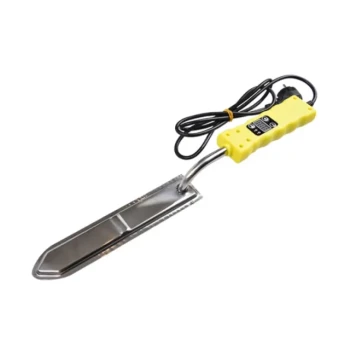
- Professional Electric Honey Uncapping Knife with Heated Digital Temperature Control for Beekeeping
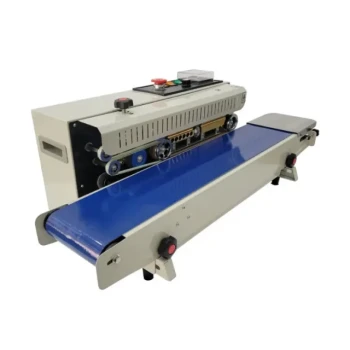
- Automatic Continuous Heat Sealing Machine
- Silicone Rubber Honey Drum Heating Belt
- Honey Tank Heater Drum Heating Blanket for Honey Barrel
People Also Ask
- Why are electric honey uncapping knives essential? Boost Efficiency & Preserve Comb for Professional Honey Extraction
- What is an electric uncapping knife and how is it used? Master Faster Honey Extraction with Heat
- What are the advantages and disadvantages of using an electric knife for uncapping honey frames? Boost Extraction Speed
- What are the drawbacks of using an electric knife for uncapping honey frames? Cost and Power Constraints Explained
- How should an electric uncapping knife be utilized? Master Efficient Honey Extraction with Heated Precision