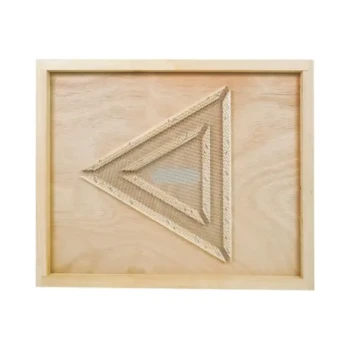
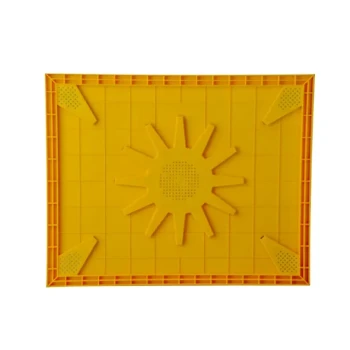
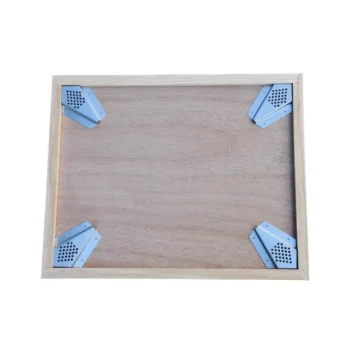
A screened bottom board functions as a mechanical filter that physically separates parasites from the honey bee colony. By replacing the solid hive floor with #8 wire mesh, it allows pests—specifically Varroa mites dislodged during grooming—to fall through the bottom and onto the ground. This prevents the mites from crawling back up to re-infest the bees, a common issue with solid bottom boards that trap pests inside.
While effective at reducing mite populations by approximately 10%, a screened bottom board is best utilized as a supportive tool for ventilation and monitoring rather than a standalone cure for severe infestations.
The Mechanics of Passive Pest Removal
Utilizing Gravity for Separation
Honey bees naturally groom themselves and each other to remove debris and parasites. On a traditional solid board, dislodged mites land on the floor and can easily attach to another passing bee.
A screened bottom board changes this dynamic. When a mite falls off a bee, it drops through the open mesh and out of the hive entirely, permanently removing it from the colony's ecosystem.
The Importance of Mesh Size
The effectiveness of this system relies on precise engineering. The screen typically consists of #8 size wire mesh.
This specific gauge is critical because it is large enough to allow mites and debris to pass through freely. However, it is small enough to prevent bees from exiting and predators, such as wasps and hornets, from entering the hive from below.
Breaking the Re-infestation Cycle
Once a mite falls through the screen to the ground, it is generally unable to return to the hive.
By creating a physical gap between the colony and the fallen waste, you passively lower the total pest load without introducing chemicals into the hive environment.
Enhancing Pest Monitoring
The Role of the Sticky Board
Screened bottom boards are often equipped with a slot for a removable grid board, known as a sticky board.
This insert catches the debris and mites falling through the screen. It allows the beekeeper to perform accurate mite counts to estimate the severity of an infestation.
Data-Driven Management
Using the screen for monitoring allows for precise, timely interventions.
Instead of treating blindly, you can gauge exactly when the mite population reaches a threshold that requires more aggressive treatment.
Understanding the Limitations
It Is Not a Silver Bullet
While valuable, a screened bottom board is not a standalone solution for Varroa mite eradication.
Research indicates this method may reduce mite populations by up to 10%. While helpful, this reduction is rarely sufficient to control a booming mite population on its own and must be combined with other mitigation methods.
Environmental Trade-offs
The open design increases ventilation, which is excellent for cooling in summer and moisture control in winter.
However, beekeepers must ensure the hive is properly shielded from harsh winds. The increased airflow that aids in pest control can impact the hive's thermal regulation if not managed correctly during extreme weather.
Making the Right Choice for Your Goal
To get the most out of a screened bottom board, align its use with your specific management objectives:
- If your primary focus is Pest Reduction: View the screen as a supplemental aid that lowers the overall mite load, but pair it with other Integrated Pest Management (IPM) treatments for full protection.
- If your primary focus is Monitoring: Utilize the sticky board insert frequently to track mite fall rates and make data-backed decisions on when to apply chemical treatments.
- If your primary focus is Hive Health: Leverage the improved ventilation to reduce moisture buildup, which indirectly supports bee health and makes the environment less hospitable to other pests and pathogens.
Used correctly, the screened bottom board is a fundamental piece of hardware that simplifies hive hygiene and provides critical insight into the health of your colony.
Summary Table:
| Feature | Screened Bottom Board Benefit |
|---|---|
| Pest Removal | Uses gravity to let mites fall through #8 mesh, preventing re-infestation. |
| Monitoring | Enables accurate mite counts via sticky board inserts for data-driven IPM. |
| Ventilation | Enhances airflow, reducing moisture buildup and summer heat stress. |
| Mesh Size | #8 wire mesh allows debris to pass while keeping bees and predators out. |
Elevate Your Beekeeping Operations with HONESTBEE
At HONESTBEE, we specialize in empowering commercial apiaries and distributors with high-performance beekeeping solutions. Whether you are looking to scale your production with advanced honey-filling machines or source durable screened bottom boards for large-scale pest management, our comprehensive wholesale catalog has you covered.
From essential consumables to specialized hardware and honey-themed cultural merchandise, we provide the tools you need to succeed in a competitive market. Partner with us to secure premium equipment at wholesale scale.
Contact our specialists today to discuss your bulk requirements.
Related Products
- Langstroth Screen Bottom Board for Beekeeping Wholesale
- Australian Pine Wood Langstroth Screen Bottom Board for Wholesale
- Langstroth Solid Bottom Board for Beekeeping
- Solid Bottom Board Australian Pine Wood Langstroth Bottom Board for Wholesale
- HONESTBEE Top Bar & Bottom Bar Forming Machine | Bee Frame Machine
People Also Ask
- What is the primary function of a screen bottom board? Achieve Accurate Varroa Mite Assessment in Your Apiary
- What role do screen bottom boards and monitoring inserts play in assessing Varroa mite mortality and maintaining hive hygiene in Langstroth hives?
- Why is the combination of a screen bottom board and a sticky trap board essential for monitoring Varroa mite? Guide
- What is the primary function of a standard screen bottom board when assessing honeybee grooming behavior? - Key Mite Data
- Why might a screen bottom board be less effective for pest control? Understanding the 'Mixed Sunlight' Complication