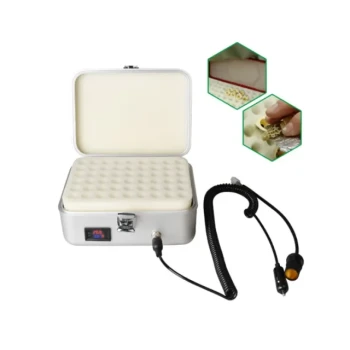
High-precision constant temperature and humidity incubators are indispensable for honeybee research because they replicate the specific, stable microclimate of a natural beehive. This controlled environment is essential for maintaining normal physiological metabolism and preventing environmental stress from interfering with research outcomes. By stabilizing variables like temperature (typically 34–35°C) and relative humidity (60–90%), these units ensure that any observed changes in bee vitality are strictly due to the experimental factors being tested.
To maintain honeybee vitality in a laboratory setting, one must eliminate "environmental noise." High-precision equipment provides the biomimetic stability required to ensure that survival rates and physiological data reflect biological truths rather than external stress.
The Science of Hive Simulation
Replicating the Internal Hive Microclimate
Honeybees have evolved to thrive within a very narrow range of environmental conditions found inside the colony. High-precision incubators simulate this microclimate, often maintaining temperatures at 34±1°C and humidity levels between 60% and 75% to mimic the brood nest.
Protecting Metabolic Integrity
Fluctuations in the environment can trigger immediate stress responses and metabolic shifts in honeybees. Stable conditions are critical during sensitive procedures, such as 24-hour memory decay evaluations or larval development, where consistency is the foundation of vitality.
Maintaining Larval and Pupal Development
For brood rearing, precision is even more vital as honeybee larvae and pupae are highly susceptible to desiccation or thermal shock. Precise humidity control ensures that the developmental environment remains optimal, supporting fat body morphology and hemolymph health.
Critical Role in Experimental Accuracy
Eliminating Environmental Noise
In professional research, it is vital to isolate the effects of specific variables like pesticide exposure, dietary additives, or parasite pressure. If the incubator's temperature or humidity drifts, it becomes impossible to tell if a bee died from the experimental toxin or from simple environmental stress.
Ensuring Data Reproducibility
High-precision units provide the strict environmental control necessary for results to be replicated across different laboratories. This level of technical consistency is what separates professional-grade research from unreliable anecdotal observation.
Preventing Cross-Contamination
Advanced incubators allow for the layering of infected and uninfected frames while maintaining uniform airflow and temperature. This ensures that different experimental groups can be housed in the same facility without compromising the integrity of the individual test subjects.
Understanding the Trade-offs
Precision vs. Operating Cost
High-precision units require more sophisticated sensors and control systems, which can lead to higher initial investment costs. However, using lower-grade equipment often results in high mortality rates and invalid data, which proves more expensive in the long run for commercial and academic labs.
Maintenance and Calibration Needs
To maintain their high-accuracy status, these incubators require regular calibration and specialized maintenance. Neglecting these services can lead to "drift," where the displayed temperature does not match the actual internal environment, potentially ruining entire research cohorts.
Maximizing Value through Professional Sourcing
Expert Procurement Strategies
For distributors and wholesalers, providing these high-spec units requires a partner with deep professional industry expertise. Success in this niche market depends on offering a full-spectrum product portfolio that meets the exact physiological requirements of the honeybee.
Ensuring Rapid Order Fulfillment
In the research world, timing is everything, especially when dealing with live biological samples or seasonal cycles. Partners who offer ultra-fast delivery and efficient fulfillment provide a significant competitive advantage to resellers and end-users alike.
Making the Right Choice for Your Goal
- If your primary focus is brood rearing or larval research: Prioritize units with ultra-tight humidity tolerances (±1-2%) to prevent larval desiccation.
- If your primary focus is toxicology or pesticide testing: Invest in high-precision temperature stability to ensure metabolic rates remain constant throughout the exposure period.
- If your primary focus is large-scale commercial distribution: Partner with a supplier known for rapid response times and a comprehensive range of high-spec laboratory equipment.
By providing the exact thermal and hygroscopic conditions of a natural hive, high-precision incubators serve as the fundamental backbone of modern apicultural science.
Summary Table:
| Key Feature | Functional Benefit | Research Impact |
|---|---|---|
| Temperature Stability (34±1°C) | Replicates the natural hive brood nest. | Prevents metabolic shifts and environmental stress. |
| Humidity Control (60–75%) | Maintains optimal moisture levels for larvae. | Prevents desiccation and supports healthy development. |
| Variable Isolation | Eliminates "environmental noise." | Ensures results are due to test factors, not stress. |
| Technical Consistency | Enables strict environmental standardization. | Facilitates data reproducibility across different labs. |
Scale Your Success with HONESTBEE’s Full-Spectrum Solutions
At HONESTBEE, we understand that distributors and B2B resellers need more than just products—you need a reliable partner to secure your market position. We offer a comprehensive wholesale portfolio ranging from specialized hardware like hive-making and honey-filling machines to high-precision laboratory equipment and essential consumables.
Why partner with HONESTBEE?
- One-Stop Sourcing: Access a full spectrum of beekeeping tools and industrial machinery in one place.
- Competitive Edge: Benefit from high profit margins, OEM/ODM support, and deep industry expertise.
- Rapid Fulfillment: Experience ultra-fast delivery and exceptional customer service to keep your inventory moving.
Ready to elevate your supply chain? Contact us today to discuss wholesale opportunities and see how our premium trading services can drive your growth!
References
- Ashok Kumar Karedla, P. K. Chhuneja. Effect of Sub-Lethal Doses of Thiamethoxam on the Memory of <i>Apis mellifera</i> Linnaeus. DOI: 10.18520/cs/v124/i4/451-456
This article is also based on technical information from HonestBee Knowledge Base .
Related Products
- High Quality Honey Dehumidifier Dryer Thickening Machine for Beekeeping
- Portable Queen Bee Incubator with 12V Car Adapter for Safe Transport
- Precision Honey Refractometer Instrument for Quality Assessment
- Digital Honey Refractometer for Precision Measurement of Optimal Honey Quality
People Also Ask
- Can you dehumidify honey? A Beekeeper's Guide to Preventing Fermentation
- How to dry up honey? The Safe Guide to Stabilizing Honey and Preventing Fermentation
- How can the moisture content of honey be reduced? A Guide to Safe, Effective Drying Methods
- How to remove humidity from honey? Protect Your Harvest from Fermentation
- What is the process for using a dehumidifier to lower honey's moisture content? Expert Drying Techniques