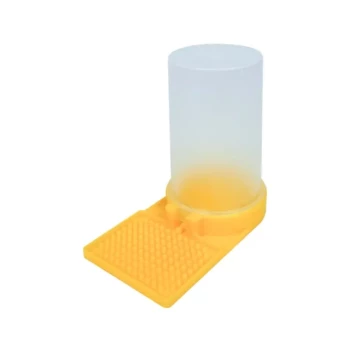
Ensuring nutritional stability is the cornerstone of accurate parasite research. High-protein commercial supplemental feed (typically containing 20% protein) is critical during long-term Varroa destructor monitoring because it maintains a stable egg-laying rate for the queen, even during natural pollen shortages. Since the reproduction of Varroa mites is entirely dependent on the presence of honey bee brood, this consistent food source ensures a continuous breeding environment, allowing for the precise observation of mite population dynamics and fluctuations.
Core Takeaway: High-protein supplements eliminate environmental nutritional variables, providing a controlled environment where bee brood remains available for Varroa reproduction, which is essential for valid long-term data collection.
Maintaining the Brood Cycle for Data Accuracy
Stabilization of Queen Productivity
The queen's egg-laying rate is directly tied to the availability of high-quality protein.
When natural pollen is scarce, queens reduce brood production, which inadvertently halts the Varroa life cycle.
By providing commercial feed, researchers ensure a steady supply of larvae, keeping the mite population active for study regardless of the season.
Minimizing Environmental Variables
In long-term monitoring, inconsistent nutritional levels can lead to "false negatives" in mite population growth.
Commercial supplemental feeds provide a standardized nutritional profile that natural foraging cannot guarantee.
This consistency allows distributors and researchers to offer solutions based on reliable, year-round data rather than seasonal anomalies.
The Synergy Between Nutrition and Parasite Management
Supporting Full-Spectrum Bee Health
Managing Varroa is not just about elimination; it is about maintaining colony vigor through professional-grade inputs.
Distributors who provide both high-protein feed and chemical/physical treatment consumables offer a more comprehensive solution to their clients.
A well-fed colony is better equipped to withstand the stress of parasitic infestation and the subsequent treatments required to manage it.
Risks in Migratory Beekeeping
The risk of cross-contamination and mite spikes is significantly higher in migratory beekeeping operations.
High-protein supplementation ensures these mobile colonies remain strong enough to support continuous monitoring protocols while on the move.
Our deep industry expertise helps wholesalers identify the specific nutritional and treatment combinations necessary for these high-stress environments.
Understanding the Trade-offs
The Cost of Artificial Consistency
While supplemental feed is essential for monitoring, it adds an operational cost that must be balanced against the value of the data collected.
Over-reliance on supplements can sometimes mask a colony's natural hygienic behavior, which is an important factor in long-term mite resistance.
Potential for Over-Stimulation
Providing too much protein can lead to excessive swarming if the colony grows faster than the management plan accounts for.
Distributors must advise clients on the precise calibration of feed delivery to ensure the brood cycle remains stable without triggering unwanted colony splits.
How to Apply This to Your Inventory Strategy
For wholesalers and B2B resellers, offering a full-spectrum product portfolio is the key to becoming a preferred partner in the beekeeping industry.
- If your primary focus is research and monitoring support: Stock high-protein (20%+) commercial feeds to ensure your clients can maintain the consistent brood cycles necessary for accurate Varroa data.
- If your primary focus is large-scale commercial operations: Prioritize ultra-fast delivery of both feed and chemical treatments to help clients respond rapidly to mite spikes during migratory moves.
- If your primary focus is supply chain reliability: Utilize our one-stop sourcing capabilities to consolidate your orders for supplements and professional-grade physical treatment tools, reducing fulfillment times.
By integrating high-protein nutrition with advanced parasite control, you provide your clients with the professional-grade stability required for modern, data-driven colony management.
Summary Table:
| Key Factor | Impact on Varroa Monitoring | Strategic Value for Distributors |
|---|---|---|
| 20% Protein Content | Maintains stable queen egg-laying | Ensures continuous host availability for mites |
| Consistency | Eliminates environmental variables | Provides standardized, year-round research data |
| Brood Availability | Prevents "false negative" mite counts | Reliable data for effective treatment timing |
| Colony Vigor | Increases tolerance to parasite stress | High-quality outcomes for migratory operations |
Scale Your Success with HONESTBEE’s One-Stop Sourcing
Partner with HONESTBEE to streamline your supply chain and provide your clients with professional-grade beekeeping solutions. As a dedicated B2B wholesaler, we offer a full-spectrum product portfolio—from high-protein nutritional supplements to specialized hive-making and honey-filling machinery.
Why Choose HONESTBEE?
- Comprehensive Wholesale Offering: Access a wide array of tools, equipment, and industry consumables in one place.
- Efficiency & Reliability: Benefit from ultra-fast delivery, rapid response times, and exceptional order fulfillment.
- B2B Expertise: We support distributors and resellers with competitive margins, deep industry knowledge, and a commitment to quality.
Ready to enhance your inventory with premium trading services? Contact us today to explore our wholesale solutions!
References
- Carlos Aurelio Medina-Flores, Luis Alaníz Gutiérrez. Population Dynamics of the Mite Varroa destructor in Honey Bee (Apis mellifera) Colonies in a Temperate Semi-Arid Climate. DOI: 10.3390/insects15090696
This article is also based on technical information from HonestBee Knowledge Base .
Related Products
People Also Ask
- What types of bee feeders are available for beginners? Start with the Simple Entrance Feeder
- What are the advantages and disadvantages of using an entrance feeder for bees? Balance Convenience and Hive Security.
- How does a bee entrance feeder work? A Simple Guide to Convenient Hive Feeding
- What is a bee entrance feeder and what are its drawbacks? Essential Guide to Hive Security and Feeding Efficiency
- How to make an entrance feeder for bees? A DIY Guide for Safe & Effective Feeding