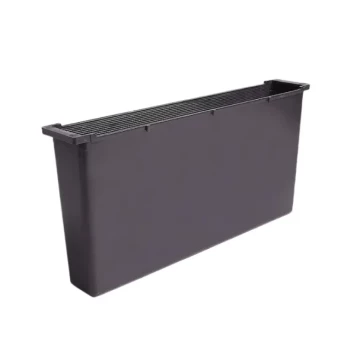
An entrance feeder is a fundamental tool consisting of a reservoir—typically a glass or plastic jar—that sits inverted in a holder inserted directly into the hive’s front entrance.
While they are widely recognized for their convenience, allowing beekeepers to monitor and refill syrup without disturbing the colony, their external design introduces specific vulnerabilities.
For a beekeeper managing a fragile or new colony, understanding these risks is essential to preventing hive collapse.
Core Takeaway The convenience of an entrance feeder comes at the cost of hive security. By placing a sugar source at the front door, you risk triggering "robbing behavior," where stronger colonies overwhelm and loot a weaker hive to steal the exposed syrup.
How the Mechanism Works
The Basic Design
The feeder usually consists of two parts: a jar with a perforated lid and a base insert. The base slides into the hive entrance, acting as a bridge between the outside world and the interior.
Delivery Method
The jar is inverted onto the base. Atmospheric pressure and vacuum physics keep the liquid from pouring out, while the perforations allow bees to access the syrup from underneath.
Ease of Access
The defining feature of this feeder is visibility. Because the jar remains outside the hive body, you can instantly verify feed levels without cracking the propolis seal or donning a full suit.
The Critical Drawbacks
The Threat of Hive Robbing
This is the most significant danger associated with entrance feeders. Because the syrup is positioned at the hive's threshold, the scent of sugar radiates outward rather than staying contained inside.
This scent can attract foragers from stronger, neighboring colonies. If the hive using the feeder is new or has a low population, they may be unable to defend their entrance against these invaders, leading to the destruction of the colony.
Pest Attraction
The external nature of the feeder does not only attract other bees. It acts as a lure for ants, wasps, and other animals looking for an easy sugar source.
Once pests establish a trail to the feeder, it can be difficult to deter them without removing the food source entirely.
Limited Capacity
Most entrance feeders rely on standard quart or pint jars. A hungry, growing colony can consume this amount of syrup very quickly, sometimes in a single day.
This necessitates frequent trips to the apiary for refills, negating some of the "convenience" the device promises.
Understanding the Trade-offs
Susceptibility to Freezing
Unlike internal feeders, which benefit from the colony's generated heat, entrance feeders are exposed to the elements.
In colder months or during unexpected frosts, the syrup in the exposed jar is likely to freeze. This renders the food inaccessible to the bees exactly when they might need the energy most.
The Disruption Factor
While refilling the jar is non-intrusive, the alternative—such as a frame feeder—requires opening the hive.
Internal frame feeders hold significantly more syrup (up to a gallon) and are secure, but refilling them disturbs the bees and releases hive heat. You must weigh the need for volume and security against the need to minimize colony disturbance.
Making the Right Choice for Your Goal
Before installing an entrance feeder, assess the specific condition of your colony and the season.
- If your primary focus is protecting a weak or new colony: Avoid entrance feeders. The risk of robbing is too high; opt for an internal feeder that keeps the scent contained.
- If your primary focus is feeding during cold weather: Do not use an entrance feeder. The syrup will likely freeze; bees are also less likely to travel to the cold entrance to feed.
- If your primary focus is quick monitoring during a nectar dearth: An entrance feeder is acceptable, provided the colony is strong enough to defend the entrance against robbers and pests.
Success in beekeeping often relies on choosing the tool that minimizes risk rather than the one that maximizes convenience.
Summary Table:
| Feature | Bee Entrance Feeder | Internal Frame Feeder |
|---|---|---|
| Placement | Hive Entrance (External) | Inside Hive (Internal) |
| Monitoring | Instant Visual Check | Requires Opening Hive |
| Robbing Risk | High (Scent at Entrance) | Low (Scent Contained) |
| Capacity | Low (Quart/Pint) | High (Up to 1 Gallon) |
| Weather | Prone to Freezing | Protected by Hive Heat |
| Best For | Strong Colonies in Mild Weather | New or Weak Colonies; Cold Seasons |
Scale Your Apiary Operations with HONESTBEE
Choosing the right feeding strategy is critical for colony survival, but having the right equipment is what drives long-term success. At HONESTBEE, we specialize in supporting commercial apiaries and distributors with a robust wholesale catalog.
From high-efficiency honey-filling machines and hive-making hardware to a full spectrum of beekeeping tools and consumables, we provide the industrial-grade solutions your business needs to thrive. Whether you are stocking essential gear or expanding your honey production line, our team is ready to deliver quality and value to your operation.
Ready to optimize your supply chain?
Contact us today to explore our wholesale offerings
Related Products
- HONESTBEE Entrance Bee Feeder Professional Hive Nutrition Solution for Beekeeping
- White Plastic 0.5L Beekeeping Entrance Feeder for Bees
- HONESTBEE Entrance Bee Feeder Efficient Hive Front Liquid Feeding Solution for Beekeeping
- Boardman Entrance Bee Feeder Durable Galvanized Steel and Wood Construction for Beekeeping
- HONESTBEE Professional Entrance Bee Feeder Hive Nutrition Solution
People Also Ask
- What types of bee feeders are available for beginners? Start with the Simple Entrance Feeder
- What are the advantages and disadvantages of using an entrance feeder for bees? Balance Convenience and Hive Security.
- How does a bee entrance feeder work? A Simple Guide to Convenient Hive Feeding
- How to make an entrance feeder for bees? A DIY Guide for Safe & Effective Feeding
- How do you make an entrance feeder for bees? A Guide to Safe & Effective Hive Feeding