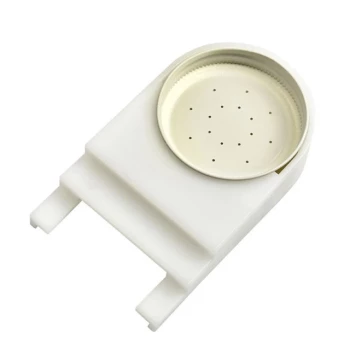
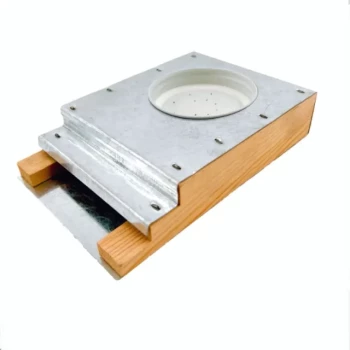
Entrance feeders represent a distinct compromise between beekeeper convenience and colony security. Their primary advantage is the ability to monitor and replenish syrup levels from outside the hive without disturbing the colony. However, this accessibility creates a significant disadvantage by placing the food source at the colony's entrance, which creates a high risk of robbing by other bees and insects.
The core utility of an entrance feeder is its "glance-and-go" convenience, but this comes at the cost of hive defense; placing food at the entrance is essentially an open invitation to predators and robber bees, making it a dangerous choice during a nectar dearth.
The Strategic Advantages
Zero Disturbance Refilling
The most significant benefit of an entrance feeder is the ability to maintain the hive without intrusion. You can refill the syrup jar without ever opening the hive body.
This means you do not need to smoke the bees or disrupt their internal temperature regulation. It allows for maintenance in weather conditions where opening the hive would otherwise be inadvisable.
Instant Visual Monitoring
Because the feeder sits on the landing board or directly at the entrance, the syrup level is always visible.
Beekeepers can instantly verify if the colony is feeding or if the jar is empty. This eliminates the guesswork associated with internal feeders, where you must physically inspect the hive to check food levels.
The Security Risks
Inviting Robber Bees
The primary disadvantage of this system is that the feed is technically located outside the hive's defensive perimeter.
By placing sugar syrup at the front door, you create an "open invitation" for bees from other colonies. If the colony using the feeder is weak, they may be overrun by stronger colonies seeking easy resources.
Attracting External Pests
It is not just other bees that are attracted to the exposed feed. The scent of the syrup can draw in various other insects and pests.
Because the feed is accessible from the outside, these pests do not have to fight their way through the colony's defenses to access the sugar.
Critical Trade-offs: Timing is Everything
The Dangers of Nectar Dearth
The risk of using an entrance feeder fluctuates depending on the season and environmental conditions.
During a nectar dearth—when natural food sources are scarce—the risk of robbing is at its highest. Using an entrance feeder during this time is generally not recommended, as desperate foragers from other hives are aggressively searching for food.
Suitability for Weak Colonies
While convenient, entrance feeders can be detrimental to struggling colonies.
A weak colony often lacks the population numbers to defend their entrance effectively. Placing a lure like high-concentration syrup right at the entrance makes their defense job significantly harder.
Making the Right Choice for Your Goal
When deciding whether to utilize an entrance feeder, consider your immediate objectives and the current environment:
- If your primary focus is minimal disturbance: Use an entrance feeder during a strong nectar flow when the risk of robbing is naturally low, allowing you to monitor intake without opening the hive.
- If your primary focus is colony security: Avoid entrance feeders during the late summer or dearths, especially for weaker colonies, as the risk of inciting a robbing frenzy outweighs the convenience.
Choose your equipment based on the season, not just the ease of use.
Summary Table:
| Feature | Advantage | Disadvantage | Best Use Case |
|---|---|---|---|
| Monitoring | Instant visual syrup checks | - | High-frequency monitoring |
| Refilling | Zero hive disturbance; no heat loss | - | Cold weather or quick maintenance |
| Security | - | High risk of robbing & pests | During strong nectar flows only |
| Colony Health | Low maintenance | Dangerous for weak colonies | Strong, well-defended colonies |
Optimize Your Apiary Operations with HONESTBEE
Scale your production and improve hive management with HONESTBEE. As a leading wholesale partner for commercial apiaries and distributors, we provide a full spectrum of professional beekeeping tools, machinery, and essential consumables.
Our comprehensive portfolio includes everything from high-efficiency entrance feeders to specialized hardware like hive-making machines and honey-filling equipment. Whether you are looking for durable field tools or honey-themed cultural merchandise, HONESTBEE delivers the quality and value your business demands.
Contact Our Wholesale Experts Today to explore our complete equipment catalog and enhance your apiary's performance!
Related Products
- HONESTBEE Entrance Bee Feeder Professional Hive Nutrition Solution for Beekeeping
- White Plastic 0.5L Beekeeping Entrance Feeder for Bees
- HONESTBEE Entrance Bee Feeder Efficient Hive Front Liquid Feeding Solution for Beekeeping
- HONESTBEE Professional Entrance Bee Feeder Hive Nutrition Solution
- Classic Boardman Entrance Bee Feeder Hive Front Feeding Solution
People Also Ask
- What types of bee feeders are available for beginners? Start with the Simple Entrance Feeder
- What is a bee entrance feeder and what are its drawbacks? Essential Guide to Hive Security and Feeding Efficiency
- How does a bee entrance feeder work? A Simple Guide to Convenient Hive Feeding
- How to make an entrance feeder for bees? A DIY Guide for Safe & Effective Feeding
- How do you make an entrance feeder for bees? A Guide to Safe & Effective Hive Feeding