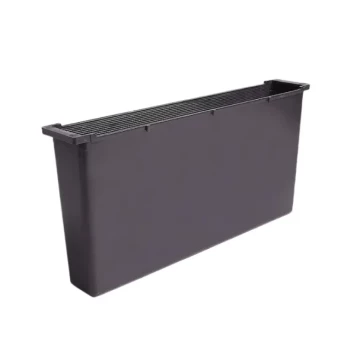
Shielding a top feeder from the sun is primarily about preserving the chemical integrity of the feed. By placing the feeder inside the hive, you ensure the syrup is protected from direct UV exposure. This is a critical factor when the feed contains medication, as sunlight can rapidly neutralize pharmaceutical compounds.
Core Takeaway Shielding prevents the solar degradation of medicated syrup, ensuring that treatments remain effective when they reach the bees. Unlike exposed feeding methods, top feeders house the syrup within the hive body, offering inherent protection against environmental elements.
The Science of Feed Preservation
Protecting Medicated Syrup
The most significant benefit of shielding a top feeder is the preservation of medication. If you are administering antibiotics or supplements through your feed, stability is key.
Direct sunlight can degrade these medications, rendering the treatment ineffective before the colony consumes it. By housing the feeder internally, you maintain a dark, stable environment for the syrup.
The Problem with Exposed Feeders
This shielding advantage highlights a major flaw in other designs, such as entrance feeders.
Entrance feeders typically sit outside the hive, leaving the jar or reservoir exposed to the sun. The primary reference notes that medication degradation is a "problem common with entrance feeders" due to this lack of protection.
Operational Advantages of Internal Feeding
Enhancing Efficiency for Remote Apiaries
Beyond sun protection, the internal design of top feeders supports large-scale management.
Because they are shielded and contain large reservoirs, they are ideal for apiaries in distant locations. They allow for the rapid delivery of large quantities of syrup without requiring frequent return trips.
Preventing Robbing and Mess
Shielding the feed inside the hive body also improves apiary hygiene and security.
The "easy-to-clean reservoir" and internal placement help avoid spills that typically attract robber bees or pests. Furthermore, the sturdy construction ensures the system is not prone to leaks, even as temperatures change.
Understanding the Trade-offs
The Risk of External Alternatives
While top feeders offer superior protection, it is important to understand what you sacrifice by using exposed alternatives like entrance feeders.
Entrance feeders offer visibility but lack security. While they allow you to see syrup levels from a distance, they expose the feed to UV light and temperature fluctuations.
Top feeders require a different workflow. To check a top feeder, you are engaging with the top of the hive. However, the reference notes this still allows for "quick and non-disruptive refilling," mitigating the downside of having to open the hive.
Making the Right Choice for Your Goal
To select the best feeding strategy for your specific needs, consider the following:
- If your primary focus is administering medication: You must use a shielded top feeder to prevent sunlight from degrading the treatment's effectiveness.
- If your primary focus is fall preparation: Utilize the large capacity of a top feeder to allow the colony to consume a large quantity of syrup rapidly.
- If your primary focus is remote management: Rely on top feeders for their generous access area and reduced need for frequent refilling trips.
Shielding your feeder is not just about temperature; it is the only way to guarantee the medical quality of your syrup.
Summary Table:
| Feature | Top Feeder (Shielded) | Entrance Feeder (Exposed) |
|---|---|---|
| UV Protection | High (Internal placement) | Low (Direct sunlight exposure) |
| Medication Stability | Preserved/Effective | Highly prone to degradation |
| Robbing Risk | Minimal (Internal access) | Higher (Exterior scent trail) |
| Feeding Capacity | High (Large reservoirs) | Low (Small jars) |
| Ideal Use Case | Commercial/Remote apiaries | Backyard/Small-scale hobbyist |
Scale Your Apiary Operations with HONESTBEE
At HONESTBEE, we understand the complex demands of commercial apiaries and distributors. Protecting your colony's health starts with high-quality equipment designed for efficiency. Our comprehensive wholesale offering includes everything from UV-shielded top feeders and specialized beekeeping tools to advanced honey-filling and hive-making machinery.
Whether you need bulk industry consumables or precision hardware to streamline your production, we provide the tools that ensure your treatments remain effective and your yields stay high. Partner with a supplier that values your colony's integrity as much as you do.
Connect with our wholesale experts today to optimize your equipment list!
Related Products
- HONESTBEE Round Hive Top Bee Feeder for Syrup
- HONESTBEE Professional Hive Top Bee Feeder Feeding Solution
- Professional Hive Top Bee Feeder for Beekeeping
- HONESTBEE Square Top Hive Bee Feeder Top Bee Feeder
- Rapid Bee Feeder White Plastic 2L Round Top Feeder for 8 or 10-Frame Bee Hives
People Also Ask
- What can the round hive top feeder be used for? A Guide to Efficient, Safe Bee Feeding
- What is the capacity of the round hive top feeder for syrup and pollen? A Guide to Targeted Apiary Support
- What types of hive boxes is the round hive top feeder compatible with? Universal Fit for 8 & 10-Frame Langstroth Hives
- What types of feed can be used with the round hive top feeder? Versatile Feeding for Optimal Apiary Health
- What are the different types of top feeders for bees? Choosing the Best Feeder for Your Apiary