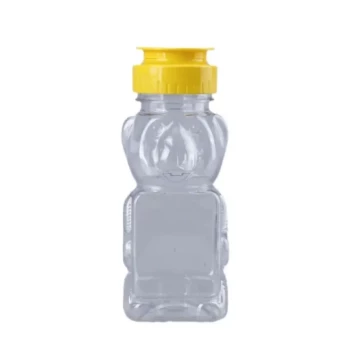
Surface disinfection with sodium hypochlorite is a non-negotiable protocol for maintaining the purity of honey samples during the microbial isolation process. This procedure eliminates exogenous microbial contamination on the container's surface, ensuring that the extracted honey reflects its true internal microbial composition. By removing environmental bacteria, you prevent interference that could lead to inaccurate laboratory results and compromised batch quality assessments.
Core Takeaway: Cleaning sample containers with sodium hypochlorite is the primary defense against external contamination, ensuring that analytical data accurately reflects the honey’s hygiene quality rather than environmental variables. For distributors and wholesalers, this protocol is a cornerstone of reliable quality assurance and regulatory compliance.
The Critical Role of Surface Disinfection
Eliminating Exogenous Contamination
Sodium hypochlorite serves as a powerful oxidizing agent that neutralizes environmental microbes present on the container walls. This step is vital because honey is highly susceptible to external influences during the sampling phase.
Without this disinfection, bacteria from the warehouse or laboratory environment can enter the sample. This leads to "false positives" in microbial testing, which can result in the unnecessary rejection of high-quality batches.
Ensuring Representative Microbial Profiles
The goal of honey analysis is to understand the initial microbial activity and moisture content inherent to the product. Using a sodium hypochlorite solution followed by a sterile distilled water rinse guarantees that the container is a "blank slate."
This rigorous cleaning allows the subsequent extraction to capture the honey’s authentic biological state. For B2B resellers, this data is essential for determining shelf-life stability and fermentation risks.
Operational Benefits for Large-Scale Distribution
Preventing Secondary Fermentation
Sterilized containers do more than just ensure clean data; they act as a barrier against moisture and atmospheric fluctuations. Because honey is hygroscopic, any introduction of moisture or external microbes can trigger premature fermentation.
Maintaining container integrity prevents spoilage during the transit period between the production facility and the testing lab. This is particularly critical for wholesalers managing long-distance supply chains where temperature and humidity vary.
Protecting Downstream Analytical Assets
Clean containers reduce the risk of particulate impurities entering the testing stream. This protection is vital for high-precision laboratory tools such as High-Performance Liquid Chromatography (HPLC) and Solid-Phase Extraction (SPE) columns.
Preventing the clogging of these systems ensures stable flow rates and extends the service life of expensive consumables. Efficient lab operations directly translate to faster order fulfillment and shorter lead times for distributors.
Understanding the Trade-offs and Risks
The Necessity of the Secondary Rinse
While sodium hypochlorite is an effective disinfectant, it must be thoroughly removed using sterile distilled water. Residual chlorine can react with honey components or interfere with sensitive chemical assays.
Failure to rinse properly can introduce chemical residues that skew the honey’s physicochemical profile. This creates a trade-off where the solution to microbial contamination could potentially become a source of chemical interference if not managed correctly.
Impact of Improper Handling
Standardized cleaning processes must be applied to all extraction equipment, including centrifuges and filters. If the sample container is sterile but the extraction tools are not, cross-contamination remains a high risk.
Regular maintenance and timely cleaning of all hardware are required to eliminate pollutants accumulated during static storage. This comprehensive approach is what separates premium trading services from standard suppliers.
Choosing the Right Partner for Your Supply Chain
How to Apply This to Your Sourcing Strategy
When evaluating a honey supplier or trading partner, their commitment to these technical protocols is a direct indicator of product reliability. Professional industry expertise ensures that every batch meets the highest hygiene standards before it reaches your warehouse.
- If your primary focus is Regulatory Compliance: Prioritize suppliers who utilize standardized sodium hypochlorite cleaning protocols to ensure accurate hygiene quality assessments.
- If your primary focus is Supply Chain Speed: Seek partners with integrated laboratory services that use these protocols to prevent re-testing delays caused by contaminated samples.
- If your primary focus is Product Longevity: Ensure your source uses sterile, moisture-blocking containers to prevent secondary fermentation and maintain original physicochemical properties.
By insisting on rigorous container disinfection protocols, you secure the integrity of your inventory and uphold the reputation of your brand in the global marketplace.
Summary Table:
| Key Benefit | Practical Action | Impact on B2B Operations |
|---|---|---|
| Microbial Purity | Eliminates exogenous bacteria | Prevents false positives and batch rejection |
| Data Accuracy | Creates a "blank slate" container | Ensures reliable shelf-life and stability data |
| Spoilage Prevention | Neutralizes fermentation triggers | Maintains product integrity during long-distance transit |
| Lab Efficiency | Protects HPLC/SPE equipment | Reduces maintenance costs and speeds up fulfillment |
Secure Your Honey Supply Chain Integrity with HONESTBEE
For commercial apiaries and B2B distributors, maintaining product purity is the foundation of profitability. HONESTBEE is your strategic partner, offering a comprehensive one-stop sourcing solution for the entire beekeeping lifecycle.
From specialized honey-filling and hive-making machinery to professional-grade beekeeping tools and industry consumables, we ensure your operations meet the highest global standards.
Why partner with HONESTBEE?
- Deep Industry Expertise: We understand technical protocols like microbial isolation to help you uphold brand reputation.
- Premium Trading Services: Dedicated support for wholesalers, including OEM/ODM capabilities and full certification compliance.
- Rapid Fulfillment: Benefit from our ultra-fast delivery and exceptionally responsive customer service to keep your supply chain moving.
Ready to enhance your inventory with reliable, high-performance equipment?
Contact HONESTBEE Today for Wholesale Inquiries
References
- KELY DAMIANA NOVAES DA SILVA, Hélio Fernandes de Melo. INHIBITION OF PATHOGENS BY SPOROGENIC BACTERIA ISOLATED FROM HONEY OF Melipona sp. (APIDAE: APINAE: MELIPONINI). DOI: 10.1590/1983-21252016v29n428rc
This article is also based on technical information from HonestBee Knowledge Base .
Related Products
People Also Ask
- What food safety standards must honey containers meet? Expert Guide to Packaging Integrity & Hygiene
- Why is it important to distinguish between weight and volume when selecting honey containers? Maximize Profits Now
- What are the benefits of purchasing honey containers in bulk? Maximize Margins & Secure Your Supply Chain
- What should be considered when choosing a container for honey to ensure effective sealing? Master Honey Packaging Success
- What is the best container to store honey in? Preserve Purity & Flavor for Years