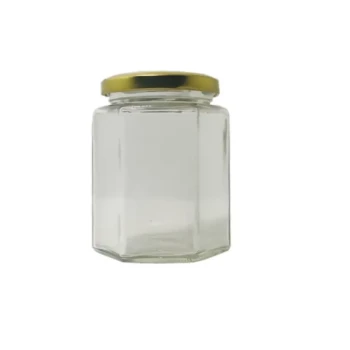
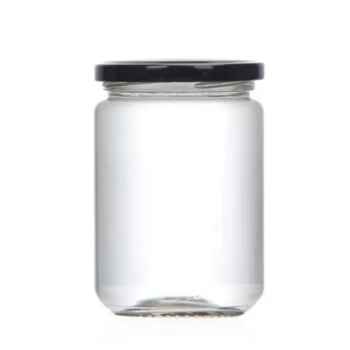
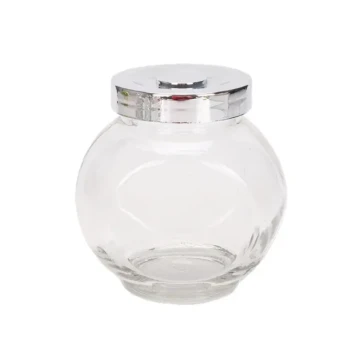
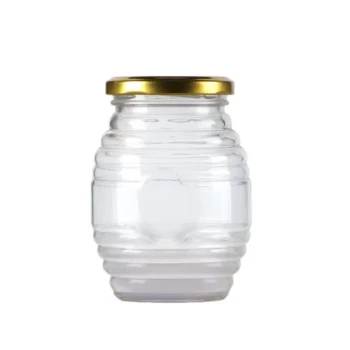
To ensure food safety, honey containers generally must be sanitary, physically defect-free, and capable of holding an airtight seal. Whether you are using glass or plastic for the final product, these three factors are critical for preventing contamination, avoiding physical hazards, and maintaining the chemical stability of the honey.
Core Takeaway Honey packaging requires a dual focus on physical integrity and material compatibility. While the final container relies on an airtight seal to prevent crystallization, processing equipment must utilize corrosion-resistant materials like stainless steel to withstand honey's natural acidity.
Essential Standards for Retail Containers
Physical Condition and Hygiene
To meet basic safety standards, every container must be inspected for physical defects. Whether the vessel is glass or plastic, it must be free of chips, cracks, or manufacturing flaws that could compromise structural integrity or introduce foreign particles.
The Necessity of an Airtight Seal
The most critical functional requirement for a honey container is the ability to provide an airtight seal. This is not merely for leak prevention; it is a quality control standard.
Exposing honey to air allows moisture absorption, which can lead to fermentation or spoilage. Furthermore, an airtight environment is the primary defense against unwanted crystallization, ensuring the texture remains consistent for the consumer.
Material Considerations for Processing and Storage
Understanding Honey’s Acidity
While glass and plastic are standard for retail, the "containers" used during processing (such as storage tanks and filtration units) face different challenges. Honey is naturally acidic. This chemical property means it can react aggressively with certain metals.
The Superiority of Stainless Steel
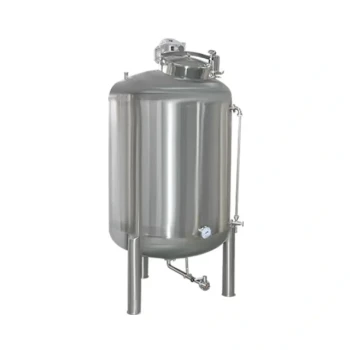
For processing tools and bulk storage tanks, food-grade stainless steel is the industry standard. Unlike other metals, stainless steel offers superior corrosion resistance against honey's acidity.
Using proper stainless steel prevents chemical reactions that typically result in metal contamination or unappealing discoloration of the product.
Compliance with International Standards
Stainless steel surfaces are non-porous and exceptionally easy to clean and disinfect. This maintainability is essential for complying with rigorous international safety frameworks, such as HACCP (Hazard Analysis Critical Control Point).
Common Pitfalls to Avoid
The Risk of Reactive Metals
Never store honey in containers made of iron, copper, or non-food-grade alloys. The acidic reaction will degrade the container and leech metallic compounds into the honey, rendering it unsafe for consumption.
Compromising on Seal Quality
Using lids or closures that do not seal perfectly is a frequent error. Even a microscopic gap can introduce enough moisture to degrade the honey's quality, leading to rapid crystallization that makes the product appear aged or spoiled.
Making the Right Choice for Your Goal
To maintain the highest quality product, align your container choice with your specific stage in the production process:
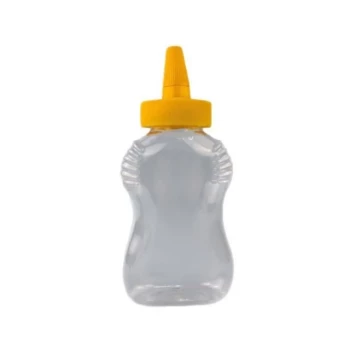
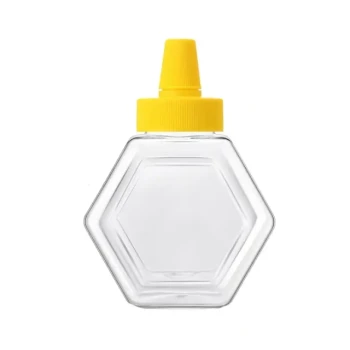
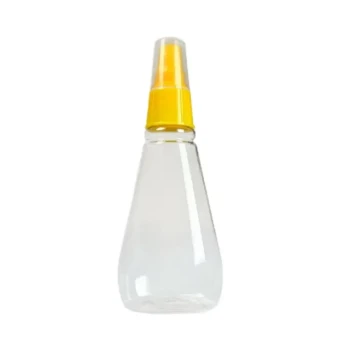
- If your primary focus is retail packaging: Ensure your glass or plastic jars are free of defects and utilize a closure system that guarantees an airtight seal to prevent crystallization.
- If your primary focus is bulk storage or processing: Invest exclusively in food-grade stainless steel tanks to resist corrosion and ensure compliance with hygiene standards like HACCP.
By matching the material to the chemical needs of the honey, you ensure a product that is safe, stable, and compliant.
Summary Table:
| Requirement | Standard Detail | Why It Matters |
|---|---|---|
| Physical Integrity | No chips, cracks, or manufacturing flaws | Prevents contamination & foreign particles |
| Seal Type | Hermetic/Airtight seal | Prevents moisture absorption & fermentation |
| Material (Retail) | Food-grade Glass or Plastic | Maintains chemical stability & texture |
| Material (Processing) | 304/316 Stainless Steel | Corrosion resistance against honey's acidity |
| Compliance | HACCP & International Food Safety | Ensures non-porous, easy-to-disinfect surfaces |
Scale Your Honey Production with HONESTBEE
Maintaining food safety standards starts with the right equipment. At HONESTBEE, we specialize in supporting commercial apiaries and distributors by providing professional-grade, compliant beekeeping solutions.
Our extensive portfolio includes:
- Advanced Machinery: Precise honey-filling and hive-making machines designed for efficiency.
- Bulk Storage: Food-grade stainless steel tanks that meet rigorous HACCP standards.
- Professional Tools: A full spectrum of beekeeping hardware and essential industry consumables.
Whether you are upgrading your processing facility or sourcing wholesale supplies, HONESTBEE delivers the quality and reliability your brand deserves. Contact us today to optimize your production line!
Related Products
- Classic Honey Bear Jars with Flip Top Dispensing Cap for Liquid Sweeteners
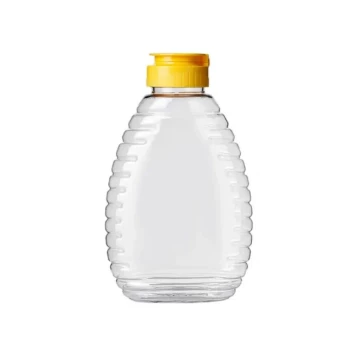
- Squeezable No-Drip Beehive-Shaped Honey Jars with Flip-Top Cap
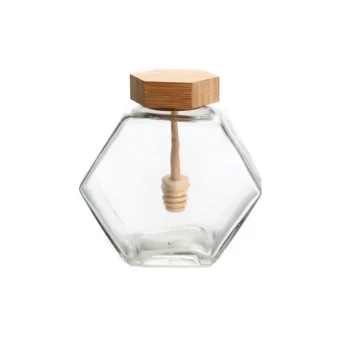
- Hexagonal Glass Honey Jar with Wooden Lid Integrated Dipper Elegant Functional Storage
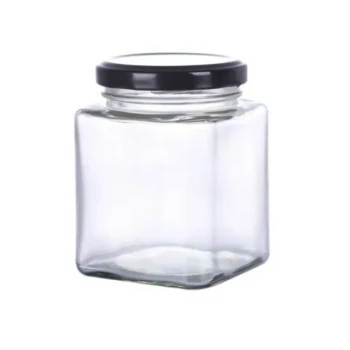
- Modern Square Glass Honey Jar with Twist Off Lid
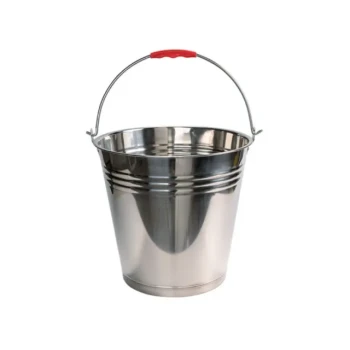
- Premium Stainless Steel Honey Tank Bucket Pail with Reinforced Handle and Polished Finish
People Also Ask
- Why is it important to distinguish between weight and volume when selecting honey containers? Maximize Profits Now
- What are the benefits of purchasing honey containers in bulk? Maximize Margins & Secure Your Supply Chain
- What should be considered when choosing a container for honey to ensure effective sealing? Master Honey Packaging Success
- What is the best container to store honey in? Preserve Purity & Flavor for Years
- What container can I put honey in? Choose the Best for Purity & Practicality