Honey is legally and commercially sold by weight, not volume. This distinction is critical because honey is significantly denser than water, meaning a container measured in fluid ounces will hold a greater weight of honey than its label suggests. Failing to account for this discrepancy leads to inaccurate labeling, potential regulatory issues, and pricing errors.
The core issue is density: honey is heavier than water. A container rated for 16 fluid ounces (volume) will actually hold approximately 1.1 lbs (weight) of honey. To ensure accuracy, you must select containers specifically calibrated for honey weight or weigh your fill directly.
The Density Discrepancy
Honey vs. Water
Most general-purpose glass containers are categorized by fluid volume, which is based on the density of water.
However, honey is much denser than water. While water occupies a specific volume per ounce of weight, honey occupies less space for the same amount of weight.
The Conversion Reality
This difference in density means standard conversions do not apply.
According to standard measurements, a cup of water (8 fluid ounces) weighs roughly 8 ounces. In contrast, that same 8 fluid ounce cup will hold between 12 and 14 ounces of honey by weight (approx. 340 grams).
The "Ounce" Confusion
Fluid Ounces vs. Net Weight
A major source of error in container selection is the linguistic confusion between "fluid ounces" and "net weight ounces."
Fluid ounces measure space (volume). Net weight ounces measure mass. Because honey is sold by mass, relying on a jar's fluid ounce rating will result in a mismatch between the container's size and the product's legal weight.
The 16oz Jar Example
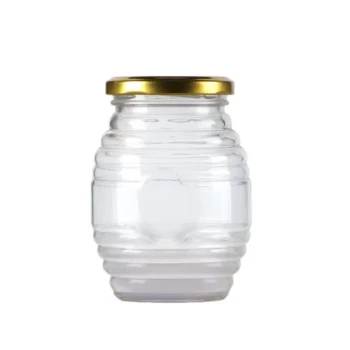
Consider a standard glass jar labeled as "16 oz" by a general manufacturer. This usually means 16 fluid ounces.
If you fill this jar to the top with honey, it will contain approximately 1.1 pounds (17.6 ounces) of honey. If you label this jar as "1 lb" (16 oz), you are effectively giving away free product. Conversely, if you put exactly 1 lb of honey in it, the jar will look underfilled.
Common Pitfalls to Avoid
The Generic Container Trap
It is tempting to purchase generic mason jars or canning jars because they are widely available.
However, these are almost exclusively measured in fluid capacity. Using them requires you to perform manual calculations and weigh individual jars to determine the correct net weight for your label.
Overfilling and Profit Loss
If you fill a volume-based container to the brim but label it based on the container's volume rating (e.g., labeling a 16 fl oz jar as 16 oz net weight), you are underreporting the contents.
While this generally complies with "minimum fill" regulations, it represents a direct loss of revenue. You are selling ~17.6 ounces of honey for the price of 16 ounces.
Making the Right Choice for Your Goal
To ensure your product is professional and profitable, choose your method based on your specific resources.
- If your primary focus is Accuracy and Efficiency: Purchase containers specifically calibrated for "Honey Weight," as these are designed so that the fill line matches the stated net weight (e.g., a "1 lb Honey Jar").
- If your primary focus is Using Generic Glassware: You must physically weigh the honey inside the container to establish the net weight, rather than relying on the manufacturer's volume rating.
Select the container that matches how you sell your product—by weight—to ensure your customers get what they pay for and you get paid for what you produce.
Summary Table:
| Comparison Metric | Water (Volume-based) | Honey (Weight-based) |
|---|---|---|
| Standard Unit | Fluid Ounces (fl oz) | Net Weight Ounces (oz) |
| Density | 1.0 g/ml (Baseline) | ~1.4 g/ml (High Density) |
| 8 fl oz Container | Holds 8 oz of weight | Holds 12-14 oz of weight |
| 16 fl oz Container | Holds 1.0 lb of weight | Holds ~1.1 lbs of weight |
| Filling Result | Matches volume label | Looks underfilled or gives away product |
Optimize Your Honey Packaging with HONESTBEE
Don't let volume confusion cut into your margins. HONESTBEE specializes in supporting commercial apiaries and distributors with a full spectrum of professional beekeeping tools and machinery. From specialized honey-filling machines that ensure precision weight to a comprehensive range of wholesale containers and hive-making equipment, we provide the hardware you need for a profitable operation.
Ready to scale your honey production? Contact us today to explore our wholesale equipment and cultural merchandise tailored for industry experts.
Related Products
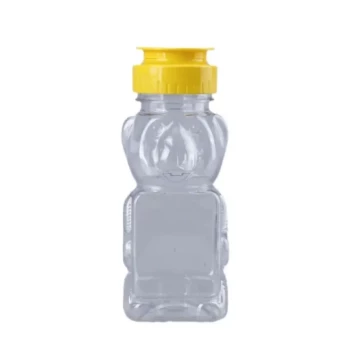
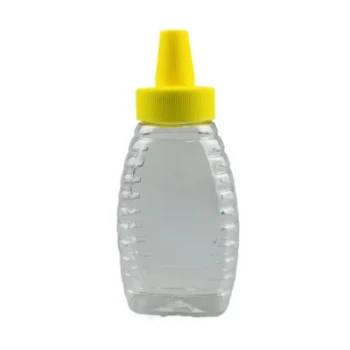
- Classic Honey Bear Jars with Flip Top Dispensing Cap for Liquid Sweeteners
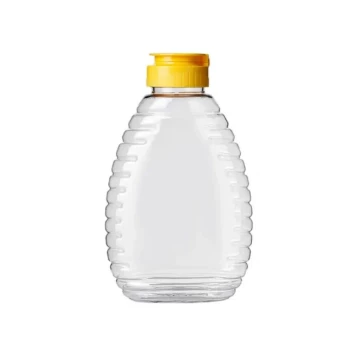
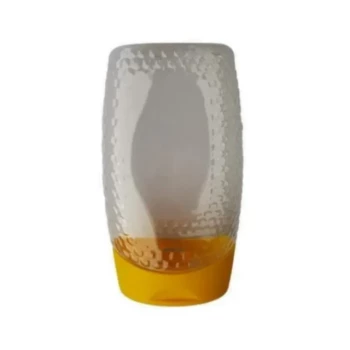
- Squeezable No-Drip Beehive-Shaped Honey Jars with Flip-Top Cap
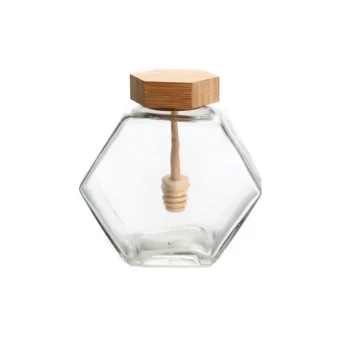
- Hexagonal Glass Honey Jar with Wooden Lid Integrated Dipper Elegant Functional Storage
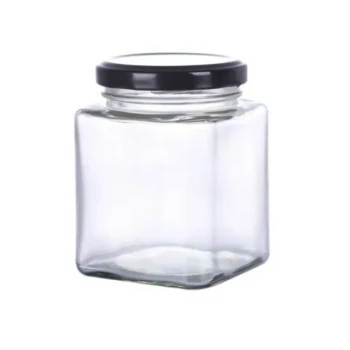
- Modern Square Glass Honey Jar with Twist Off Lid
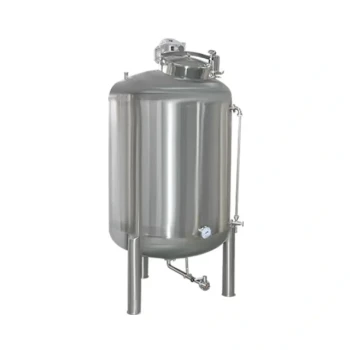
- Premium Stainless Steel Honey Tank Bucket Pail with Reinforced Handle and Polished Finish
People Also Ask
- What food safety standards must honey containers meet? Expert Guide to Packaging Integrity & Hygiene
- What are the benefits of purchasing honey containers in bulk? Maximize Margins & Secure Your Supply Chain
- What should be considered when choosing a container for honey to ensure effective sealing? Master Honey Packaging Success
- What is the best container to store honey in? Preserve Purity & Flavor for Years
- What container can I put honey in? Choose the Best for Purity & Practicality