Selecting the right vessel for honey requires balancing material quality, appropriate sizing, and rigorous cleanliness protocols. To ensure an effective seal that preserves the product's integrity, you must prioritize non-reactive materials like glass and ensure the sealing surface is absolutely free of residue or contaminants.
An effective seal is the guardian of honey quality. It is not merely a lid, but a result of combining the right vessel material with strict hygiene practices to create an airtight environment that prevents oxidation and spoilage.
Fundamentals of Container Selection
The Superiority of Glass
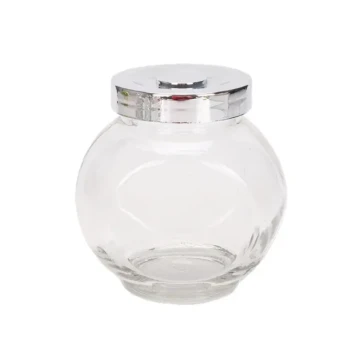
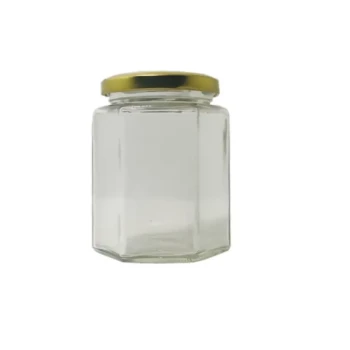
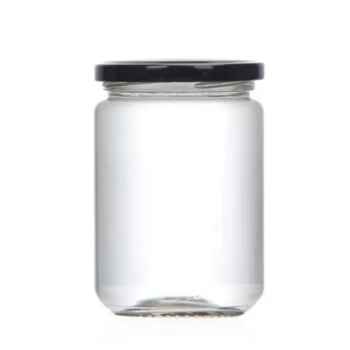
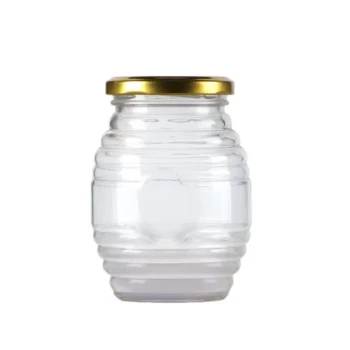
Glass is the preferred material for honey packaging. Its non-reactive nature ensures it does not chemically interact with the honey, maintaining the product's original quality and safety.
Sizing for Purpose
Container size should be determined by market demands and packaging requirements. While the physical dimensions affect shelf presence, the neck size is critical for ensuring the lid mechanism can provide sufficient torque for a tight seal.
Operational Factors Affecting the Seal
Pre-Packaging Hygiene
Cleanliness begins before the honey enters the jar. Containers must be thoroughly cleaned to remove any manufacturing dust or residues that could interfere with the filling process or the final seal.
Managing Residue
The most common point of failure is the jar rim. Post-packaging cleaning is vital; you must wipe down the exterior and the threading to remove any honey drips. Sticky residue on the rim prevents the lid from closing flush, compromising the airtight barrier.
Why the Seal Matters
Preventing Oxidation
An effective seal creates an airtight environment. Exposure to air triggers oxidation, a chemical process that degrades the flavor profile and causes undesirable changes in the honey's texture.
Blocking External Contaminants
The seal acts as a physical shield against the environment. It prevents the intrusion of dust, moisture, and microorganisms, ensuring the honey remains hygienic and safe for consumption over time.
Common Pitfalls to Avoid
Overlooking the "Clean Rim" Principle
Do not assume a tight lid equals a good seal if the threading is dirty. Even a microscopic layer of honey on the rim can create a pathway for air and moisture, negating the benefits of a high-quality jar.
Ignoring Moisture Control
Honey is hygroscopic, meaning it absorbs moisture from the air. Failing to achieve a truly airtight seal will allow humidity to enter the container, which can eventually lead to fermentation and spoilage.
Ensuring Quality and Safety
To guarantee the longevity and purity of your product, align your packaging choices with your specific preservation goals:
- If your primary focus is product purity: Prioritize glass containers, as their non-reactive properties prevent chemical leaching and flavor alteration.
- If your primary focus is long-term freshness: Implement strict post-filling cleaning protocols to ensure the jar rim is residue-free, guaranteeing an airtight seal that prevents oxidation.
By combining the correct non-reactive material with rigorous hygiene standards, you protect the honey’s flavor, texture, and safety from harvest to table.
Summary Table:
| Selection Factor | Critical Requirement | Benefit |
|---|---|---|
| Material | Non-reactive Glass | Prevents chemical leaching and preserves purity |
| Hygiene | Pre-filling Cleanliness | Removes manufacturing dust and contaminants |
| Rim Condition | Residue-free Threading | Ensures a flush, airtight seal to prevent oxidation |
| Sizing | Torque-compatible Neck | Enables proper lid tightening and shelf stability |
| Storage Goal | Moisture Control | Prevents fermentation caused by honey's hygroscopic nature |
Elevate Your Honey Brand with HONESTBEE Professional Equipment
At HONESTBEE, we understand that the perfect seal is vital for commercial apiaries and distributors aiming for premium market positioning. We provide the full spectrum of beekeeping tools, from high-precision honey-filling machines that ensure clean rims to specialized hardware and essential industry consumables.
Whether you are scaling your production or seeking a reliable wholesale partner for honey-themed merchandise and hive-making machinery, we offer the technical expertise and equipment to protect your product's integrity.
Ready to optimize your packaging process? Contact HONESTBEE today to discover our comprehensive wholesale solutions!
Related Products
- Classic Honey Bear Jars with Flip Top Dispensing Cap for Liquid Sweeteners
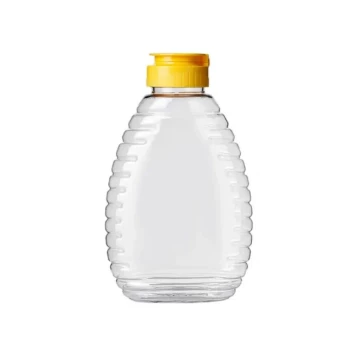
- Squeezable No-Drip Beehive-Shaped Honey Jars with Flip-Top Cap
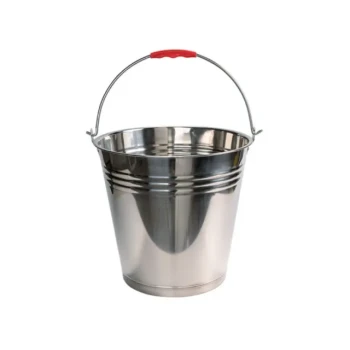
- Premium Stainless Steel Honey Tank Bucket Pail with Reinforced Handle and Polished Finish
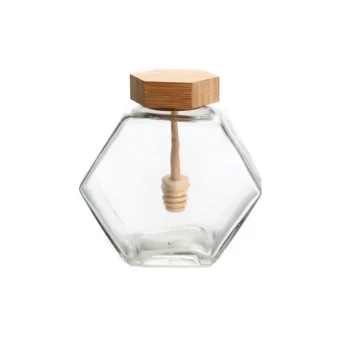
- Hexagonal Glass Honey Jar with Wooden Lid Integrated Dipper Elegant Functional Storage
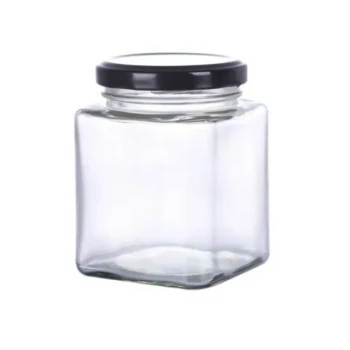
- Modern Square Glass Honey Jar with Twist Off Lid
People Also Ask
- What food safety standards must honey containers meet? Expert Guide to Packaging Integrity & Hygiene
- Why is it important to distinguish between weight and volume when selecting honey containers? Maximize Profits Now
- What are the benefits of purchasing honey containers in bulk? Maximize Margins & Secure Your Supply Chain
- What is the best container to store honey in? Preserve Purity & Flavor for Years
- What container can I put honey in? Choose the Best for Purity & Practicality