The use of dark glass bottles is essential for preserving the chemical integrity of propolis. This material acts as a critical barrier against light, specifically ultraviolet radiation, which degrades the sensitive bioactive resins, essential oils, and aromatic compounds found within the substance. Without this protection, photo-oxidation rapidly diminishes the medicinal potency and antibacterial properties of the harvest.
Propolis is chemically unstable when exposed to light due to its high concentration of photosensitive compounds like flavonoids and phenolics. Storing it in dark glass prevents photo-oxidation and the loss of volatile oils, ensuring the product retains its therapeutic value and chemical stability over time.
Preserving Bioactive Potency
Vulnerability to Light
Propolis is biologically active because of specific components, primarily phenolic compounds and flavonoids. These are the engines behind its antiviral, antibacterial, and immunomodulatory effects. However, these compounds are highly sensitive to short-wave visible light and ultraviolet (UV) rays.
The Mechanism of Photo-Oxidation
When exposed to light, these active ingredients undergo a process called photo-oxidation. This chemical reaction fundamentally alters the molecular structure of the propolis. The result is a significant reduction in the concentration of the very ingredients that make propolis medicinally valuable.
Protecting Volatile Elements
Beyond solid compounds, propolis contains essential oils and aromatic compounds. These volatile components contribute to the substance's efficacy but are prone to degradation. Dark glass prevents the light-induced breakdown of these delicate oils.
The Role of the Container Material
Filtering Ultraviolet Radiation
Dark glass, specifically amber glass, functions as an optical filter. It effectively blocks the transmission of harmful UV radiation into the container. By stopping these rays, the glass ensures the chemical stability of the contents remains intact from harvest to consumption.
Inert Storage Environment
Glass is chemically inert, meaning it does not react with the potent resins inside. This prevents unwanted chemical leaching, ensuring that the antibacterial activity of the propolis is not compromised by the container itself.
Precision in Application
Storage in glass bottles often accommodates the use of droppers. Because propolis is a potent treatment, precise dosage control is critical. This packaging setup allows for strict administration of the bioactive ingredients without exposing the bulk of the product to contamination.
Understanding Storage Trade-offs
Temperature Sensitivity
While dark glass effectively solves the light problem, it does not inherently protect against heat. Even in a dark bottle, high temperatures can degrade the bioactive proteins and lipids. Therefore, dark glass must still be paired with cool storage or cold chain technology.
Weight and Fragility
Glass provides superior chemical preservation compared to plastic, but it introduces logistical challenges. Glass is heavy and fragile, which increases shipping costs and the risk of loss during transport.
Cost Implications
High-quality amber glass is generally more expensive than opaque plastic alternatives. This increases the cost of goods sold, though it is a necessary investment to guarantee the commercial value and efficacy of a high-grade medicinal product.
Making the Right Choice for Your Goal
To maximize the efficacy of your propolis, align your storage method with your specific objectives:
- If your primary focus is maximizing medicinal potency: Use amber glass bottles exclusively to filter UV light and prevent the degradation of flavonoids and phenolics.
- If your primary focus is long-term stability: Combine dark glass packaging with a low-temperature environment to protect against both photo-oxidation and thermal breakdown.
- If your primary focus is precise administration: Ensure the glass bottle is fitted with a calibrated dropper to control the dosage of high-concentration bioactive resins.
By treating light as a contaminant, you ensure that the propolis remains as potent in the bottle as it was in the hive.
Summary Table:
| Feature | Impact on Propolis Preservation | Benefit of Dark Glass |
|---|---|---|
| UV Protection | Prevents degradation of flavonoids and phenolics | Acts as an optical filter to block harmful radiation |
| Chemical Stability | Maintains antiviral and antibacterial properties | Prevents photo-oxidation and molecular breakdown |
| Material Reactivity | Plastic can leach or react with resins | Glass is chemically inert and non-reactive |
| Volatile Retention | Light/heat causes loss of essential oils | Secures aromatic compounds and medicinal potency |
| Dosage Control | Propolis requires high-precision administration | Often paired with droppers for accurate measurement |
Maximize Your Harvest's Value with HONESTBEE
Preserving the medicinal integrity of your propolis requires the right tools and packaging. HONESTBEE specializes in supporting commercial apiaries and distributors with a comprehensive range of professional beekeeping machinery, tools, and high-quality storage solutions. From advanced honey-filling machines to essential industry consumables, we provide everything you need to maintain product quality from hive to shelf.
Ready to elevate your beekeeping operation? Contact us today to explore our wholesale offerings and see how our expertise can drive your business success.
References
- Montaser Elsayed Ali, A. Abdel- Khalek. Some Modified Methods for Bee Propolis Production in Honeybee Colonies (Hymenoptera, Apis mellifera L.) under Egyptian Condition. DOI: 10.21608/jppp.2021.220177
This article is also based on technical information from HonestBee Knowledge Base .
Related Products
- 8 Frame and 10 Frame Propolis Trap Collector Screen for Propolis Collection
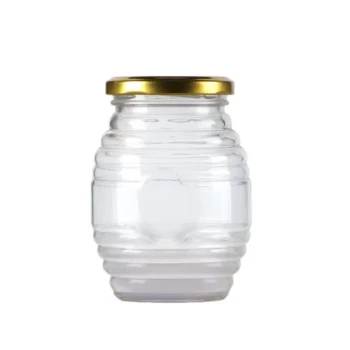
- Classic Glass Honey Jar with Metal Lug Cap for Beehive Storage
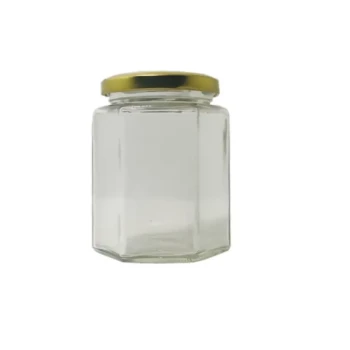
- Hexagonal Glass Honey Jars with Metal Lug Caps Elegant Versatile Packaging
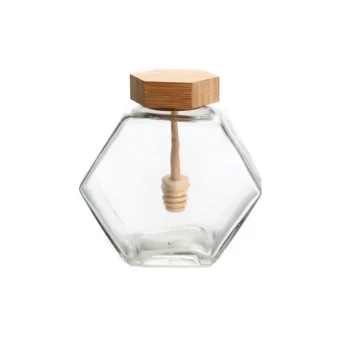
- Hexagonal Glass Honey Jar with Wooden Lid Integrated Dipper Elegant Functional Storage
People Also Ask
- Why is a specific wooden frame required when installing a propolis screen? Optimize Your Propolis Harvest Efficiency
- What are the advantages of using propolis collector screens? Elevate Your Harvest to Pharmaceutical Purity
- How does the mesh size of a propolis collection screen influence the efficiency of propolis harvesting? Optimize Yields!
- How do commercial-grade plastic screens compare to custom fine-mesh screens? Maximize Your Propolis Yield & ROI
- What are the technical advantages of using specialized propolis collection screens? Maximize Purity and Efficiency