Structural integrity and manufacturing precision drive this choice. Laser-cut industrial-grade acrylic is utilized in honeybee sampling modules to provide a robust, weather-resistant housing that withstands outdoor environments while maintaining tight internal tolerances. The material's rigidity allows for the creation of complex, high-precision components necessary for accurate sensor alignment and insect safety.
Industrial-grade acrylic, specifically in 6mm sheets, bridges the gap between heavy-duty physical protection and the microscopic precision required for electronic sensor accuracy in the field.
Engineering for Outdoor Resilience
Withstanding Environmental Stress
Honeybee sampling modules operate in the field, necessitating materials that can survive the elements. Industrial-grade acrylic (typically 6mm thick) offers high mechanical strength.
This specific thickness ensures the unit remains rigid and durable. It provides essential weather resistance, preventing degradation from sun, rain, and temperature fluctuations that would compromise lesser materials.
Protecting Internal Circuitry
The primary structural goal is the isolation of sensitive electronics. The acrylic casing acts as a robust shield, protecting internal circuits from harsh outdoor conditions.
This barrier is critical for longevity. It prevents moisture and physical debris from reaching the electronic core, ensuring the device functions reliably over long periods.
The Role of Manufacturing Precision
Achieving Complex Geometries
Standard machining often struggles with intricate designs. High-precision laser cutting is employed to fabricate complex sensor brackets and precise entrance apertures.
This manufacturing method allows for geometries that fit together seamlessly. It eliminates gaps that could compromise the device's weatherproofing or structural stability.
Ensuring Sensor Alignment
The functionality of the module depends on optics. The laser-cut precision ensures that sensors align perfectly with transparent conduits.
This alignment is non-negotiable for performance. Without the exact positioning provided by laser cutting, the sensors could not accurately count honeybees passing through the unit.
Critical Design Considerations
The Intersection of Biology and Engineering
A unique challenge in this application is interacting with living insects without harming them or the equipment. The design must manage this interface carefully.
The acrylic structure ensures bees never come into contact with exposed internal circuitry. This protects the electronics from biological fouling and keeps the bees safe from electrical components.
The Necessity of Transparency
Material choice is not just about strength; it is about visibility. The transparency of the acrylic conduits facilitates accurate counting mechanisms.
If an opaque material were used for structural strength alone, the optical sensors would fail. Acrylic provides the rare combination of structural rigidity and optical clarity required for this specific sensing application.
Making the Right Choice for Your Goal
When selecting materials for precision agricultural instruments, consider how the housing impacts the sensor data.
- If your primary focus is Durability: Prioritize materials like 6mm industrial-grade acrylic that offer high mechanical strength and weather resistance to protect electronics in the field.
- If your primary focus is Data Accuracy: Ensure you utilize high-precision laser cutting to guarantee that complex brackets and apertures align perfectly with your sensor array.
Ultimately, the success of the module relies on using a material that is tough enough to survive the outdoors yet precise enough to facilitate microscopic data collection.
Summary Table:
| Feature | Industrial-Grade Acrylic (6mm) | Benefit to Sampling Modules |
|---|---|---|
| Material Strength | High Mechanical Rigidity | Protects internal circuitry from physical stress and debris. |
| Manufacturing | High-Precision Laser Cutting | Enables complex geometries and perfect sensor alignment. |
| Resilience | UV & Weather Resistance | Ensures long-term structural integrity in outdoor field environments. |
| Optical Quality | High Transparency | Allows optical sensors to count bees accurately through conduits. |
| Safety | Non-Conductive Barrier | Keeps bees safe from electronics and prevents biological fouling. |
Elevate Your Beekeeping Operations with HONESTBEE
At HONESTBEE, we understand that precision is the backbone of successful commercial beekeeping. Whether you are a large-scale commercial apiary or a specialized distributor, our comprehensive range of beekeeping tools, machinery, and equipment is designed to meet the highest industry standards.
From high-precision hive-making and honey-filling machines to essential consumables and honey-themed cultural merchandise, we provide the full spectrum of solutions to scale your business. Our expertise in durable, field-tested equipment ensures you get the reliability you need to protect your colonies and optimize your yield.
Ready to upgrade your equipment? Contact us today to discuss our wholesale offerings and discover how HONESTBEE can empower your apiary's growth.
References
- Octavio A. Marquez Reyes, Giovanni Baquero Rozo. Beekeeping monitoring module. DOI: 10.1109/cwcas.2012.6404055
This article is also based on technical information from HonestBee Knowledge Base .
Related Products
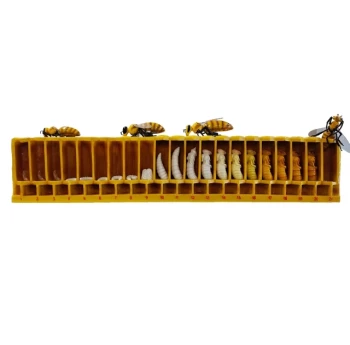
- Honey Bee Lifecycle Model: A Detailed Honeycomb Display of Bee Development
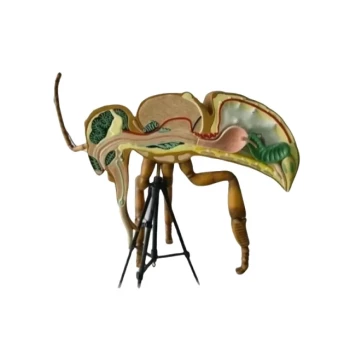
- HONESTBEE Anatomy Bee Model Detailed Anatomical Display for Education and Study
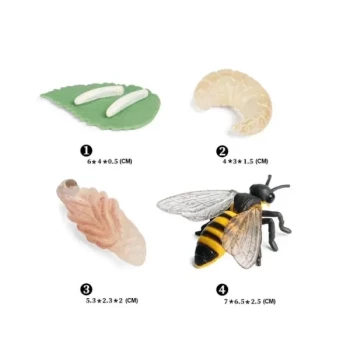
- Honey Bee Life Cycle Model 4 Stage Educational Set for Kids Learning
- HONESTBEE AC Powered Wire Embedder with Alligator Clips
- Durable 16 Way Circular Bee Escape for Efficient Honey Harvesting
People Also Ask
- Are honey bees good to have around? The Essential Role and Ecological Impact of Bees
- Why does standardized equipment lower honey bee winter loss? Master Large-Scale Beekeeping Success
- Do honey bees leave their hives? Understanding the Critical Role of Swarming
- What activities require a lot of energy for honey bees? Understanding the Colony's Energy Budget
- How do honey bees develop from egg to adult? The Complete 4-Stage Metamorphosis Guide