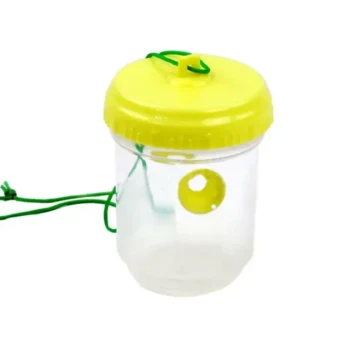
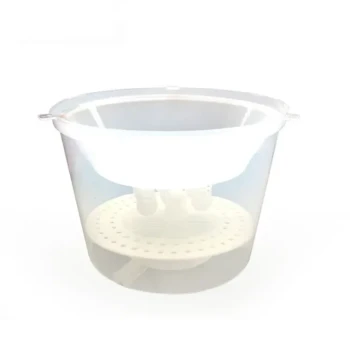
Pollen Traps function as specialized mechanical interceptors installed directly at the entrance of a beehive. These components utilize precision-engineered aperture structures to create physical friction as returning foraging bees attempt to enter the hive. This mechanical action strips pollen pellets from the bees' legs, depositing them into designated collection containers to enable the large-scale, hygienic harvest of high-protein raw materials.
By leveraging a calculated mechanical barrier, Pollen Traps automate the separation of raw pollen from foraging bees without requiring manual intervention. This enables apiaries to efficiently harvest nutritional supplements and industrial ingredients while ensuring the initial purity of the product.
The Mechanics of Interception
To understand how Pollen Traps facilitate collection, one must look at the physical interaction between the biological carrier (the bee) and the mechanical barrier (the trap).
The Aperture Grid System
The core mechanism of the trap is a grid or screen featuring specific hole sizes.
These apertures are calibrated to be just large enough for a worker bee to pass through, but too narrow to accommodate the pollen pellets attached to their hind legs.
Friction-Based Separation
As the bee navigates the aperture, the grid exerts physical friction on the pollen sacs.
This mechanical contact dislodges the pellets, effectively scraping them off the bee’s body.
Crucially, this process is designed to strip the cargo without causing physical harm to the bee itself.
Hygienic Collection
Once dislodged, the pollen falls through a secondary screen into a designated collection tray or container located below the entry point.
This isolation prevents the bees from retrieving the pollen and protects the harvest from hive debris.
It ensures the collected material remains hygienic, suitable for use as high-protein supplements or industrial raw materials.
Strategic Applications
Beyond simple collection, Pollen Traps serve specific functional roles in modern apiary management.
Product Diversification
The primary function is to transform an apiary from a single-product operation (honey) into a diversified production model.
By harvesting pollen, beekeepers gain access to high-value nutritional by-products and raw materials for industrial processing.
Environmental Monitoring
Pollen Traps also function as scientific instruments for bio-indication.
By systematically collecting samples, operators can monitor foraging activities across different flowering periods and geographical regions.
This data provides insight into local plant biodiversity and environmental health.
Operational Trade-offs and Considerations
While effective, the use of Pollen Traps introduces specific constraints that must be managed to maintain colony health.
Balancing Colony Nutrition
Pollen is the primary protein source for the hive’s growth; total interception would starve the colony.
Traps are generally not intended for permanent, 24/7 use without breaks.
Operators must ensure the colony retains sufficient nutritional supplies for its own sustenance while harvesting the surplus.
Physical Stress on Bees
Although designed to be non-harmful, forcing bees through a barrier creates physical resistance.
Poorly designed or maintained traps can damage the bees' wings or legs.
High-quality traps utilize precise geometry to maximize pollen removal while minimizing the physical stress placed on the entering workforce.
Making the Right Choice for Your Goals
The effective use of Pollen Traps depends on aligning the equipment's function with your specific operational objectives.
- If your primary focus is Commercial Production: Prioritize traps with high-capacity containers and hygienic separation layers to maximize the yield of pharmaceutical or food-grade pollen.
- If your primary focus is Environmental Monitoring: Select traps that offer easy access for frequent sampling to track bio-indicators without disrupting the hive's daily rhythm.
Success lies in utilizing these devices not just as barriers, but as precision tools that balance efficient harvesting with the biological needs of the colony.
Summary Table:
| Feature | Mechanism | Benefit |
|---|---|---|
| Aperture Grid | Calibrated hole sizes (friction-based) | Strips pollen pellets safely without harming bees |
| Collection Tray | Secondary isolation screen | Ensures hygienic harvest and prevents debris contamination |
| Diversification | Automated raw material collection | Transforms single-honey operations into multi-product apiaries |
| Bio-monitoring | Systematic sampling | Provides data on local biodiversity and colony health |
Maximize Your Apiary Productivity with HONESTBEE
Ready to scale your production? HONESTBEE specializes in supporting commercial apiaries and distributors with a full spectrum of professional beekeeping machinery and tools.
Whether you need specialized pollen collection systems, hive-making machines, or honey-filling equipment, we provide the industrial-grade solutions required to optimize your yield and maintain product purity. From essential consumables to cultural merchandise, our wholesale offerings are designed to grow your business.
Contact us today to discover how our comprehensive equipment portfolio can enhance your operation's efficiency!
References
- Sodimu Akintunde Isiaka. Ecological and Economic Potential of Eucalyptus camaldulensis and Mangifera indica Trees for Sustainable Apiculture in Kaduna Northern Guinea Savannah Ecozone, Nigeria. DOI: 10.62277/mjrd2025v6i20008
This article is also based on technical information from HonestBee Knowledge Base .
Related Products
- Removable Plastic Pollen Trap With Ventilated Tray for Bees Pollen Collector
- 30 cm Plastic Entrance Hole Bee Pollen Trap and Collector
- Plastic Bee Pollen Trap Strips Comb Catcher Collector
- High-Efficiency Diamond Maze Bee Escape for Clearing Supers
- Professional Bucket Style Wasp and Moth Pheromone Trap
People Also Ask
- What are the design principles and advantages of pollen traps in the collection of bee pollen? Boost Your Apiary Yield
- What is the function of professional pollen traps in evaluating honey plants? Quantifying Pollination and Crop Potential
- What functions do pollen traps serve for bee bread production? Optimize Your Raw Material Collection
- What maintenance and pest prevention measures should be taken for pollen traps? Protect Your Hive and Harvest Quality
- How does the use of pollen traps in honeybee hives enhance crop fertilization? Boost Your Yield Through Induced Activity