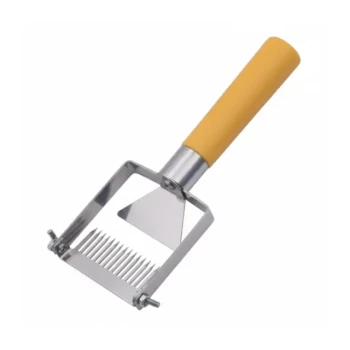
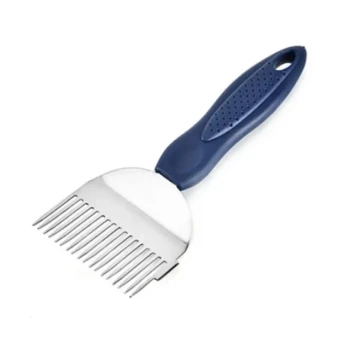
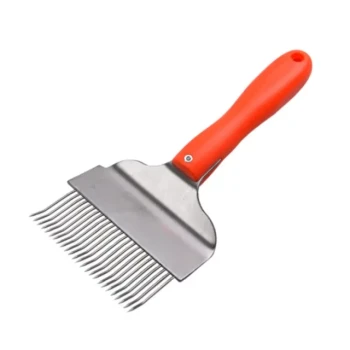
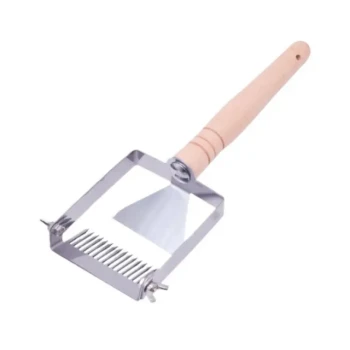
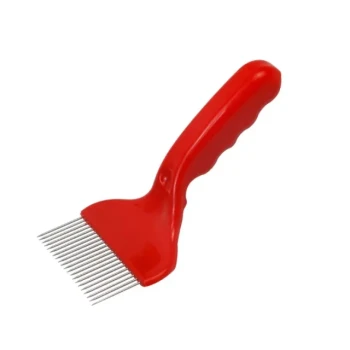
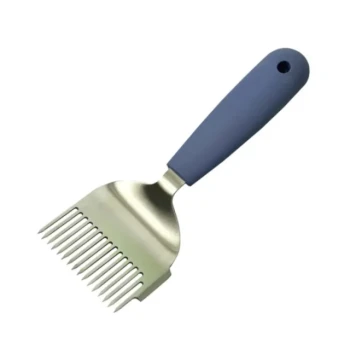
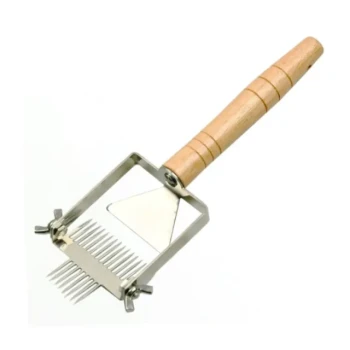
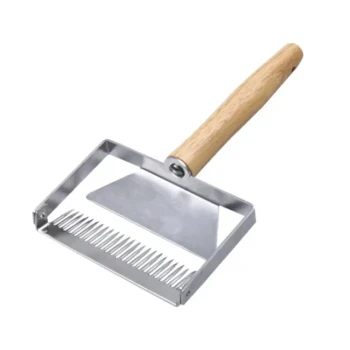
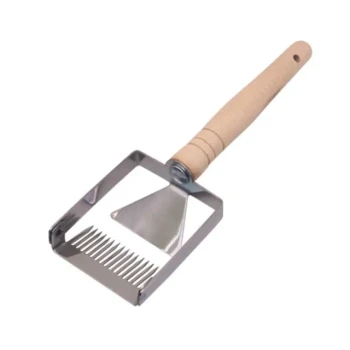
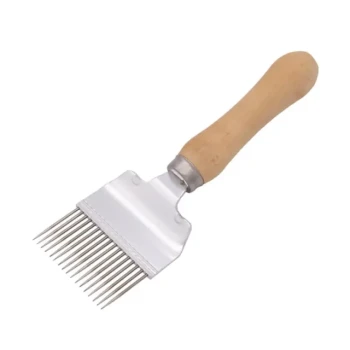
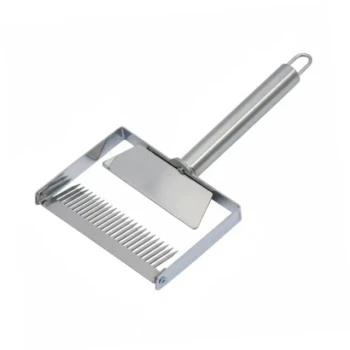
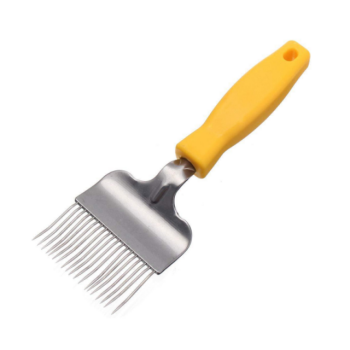
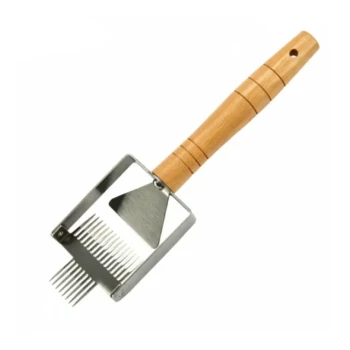
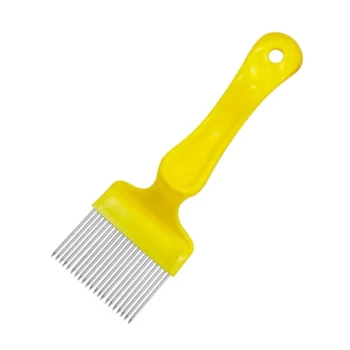
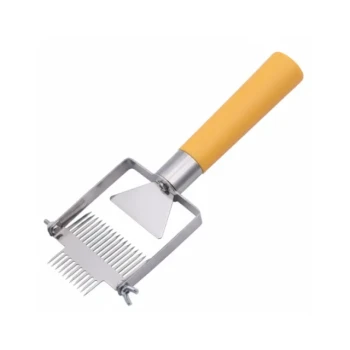
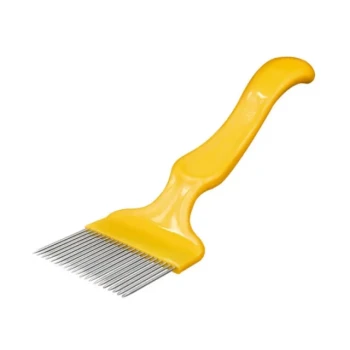
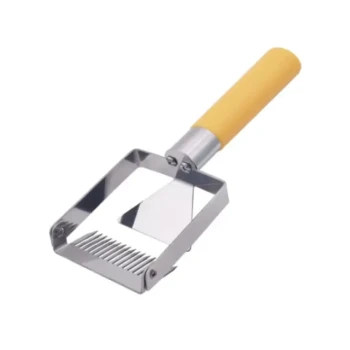
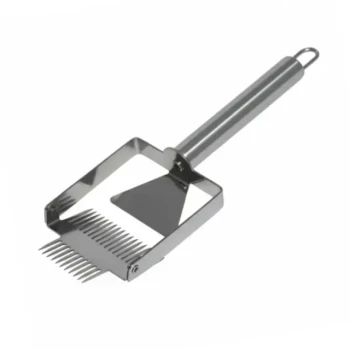
Maintaining a neutral joint position is critical because it minimizes the mechanical stress placed on the hand's tendons and nerves during the repetitive motions of honey extraction. By aligning the joints while using uncapping forks or bee brushes, you directly prevent the numbness and stinging sensations that result from continuous fine motor strain.
By minimizing physical stress on the hand, a neutral joint position reduces the overall labor intensity of honey processing, turning a physically taxing workflow into a sustainable operation.
The Biomechanics of Extraction
Minimizing Tendon Stress
Honey processing involves highly repetitive fine motor movements. When you use tools like uncapping forks without a neutral wrist position, you increase the tension on your tendons.
Keeping the joint neutral ensures that the tendons glide smoothly. This reduction in friction is essential for preventing long-term strain during harvest season.
Preventing Nerve Issues
Improper joint angles often lead to compression of the nerves in the wrist and hand. The primary reference identifies this compression as the source of stinging sensations and numbness.
Maintaining a straight, neutral alignment relieves this pressure. This allows for continuous work without the interruption of sensory discomfort.
The Role of Equipment and Labor
Reducing Labor Intensity
Honey extraction is physically demanding work. The reference highlights that proper joint positioning actively reduces the labor intensity required for the task.
When the body is not fighting against poor leverage or compression, less energy is expended per movement. This efficiency is vital for maintaining productivity over long processing sessions.
Synergy with Ergonomics
Technique works best when supported by the right equipment. The benefits of a neutral position are maximized when used in conjunction with ergonomically designed handles.
These specialized handles are shaped to encourage a neutral grip naturally. This reduces the conscious effort required to maintain proper form throughout the day.
Understanding the Trade-offs
The Necessity of Specialized Gear
While maintaining a neutral position is the goal, it is difficult to achieve with standard, straight-handled tools. Standard tools often force the wrist into deviation to apply the necessary force.
To fully benefit from this technique, you often must invest in ergonomic consumables. Relying solely on technique with poor tools may result in diminishing returns.
The Adjustment Period
Adopting a neutral joint position often requires breaking old habits. If you are accustomed to angling your wrist for leverage, the neutral position may initially feel less powerful.
It requires discipline to trust that the reduction in strain will outweigh the initial feeling of unfamiliarity.
Making the Right Choice for Your Goal
To apply these principles effectively, consider your specific operational needs:
- If your primary focus is injury prevention: Prioritize ergonomic handles that force a neutral grip to eliminate nerve compression and stinging.
- If your primary focus is process efficiency: Adopt neutral positioning techniques to lower labor intensity, allowing for longer shifts with less fatigue.
Mastering neutral joint alignment is the single most effective way to protect your hands while maintaining high-volume processing standards.
Summary Table:
| Factor | Impact of Neutral Joint Position | Benefit for Beekeeping Operations |
|---|---|---|
| Tendon Health | Reduces friction and mechanical stress | Prevents long-term strain and injury |
| Nerve Comfort | Relieves compression in wrist and hand | Eliminates numbness and stinging sensations |
| Labor Intensity | Optimizes leverage and energy expenditure | Increases productivity during long harvests |
| Equipment Synergy | Complements ergonomic handle designs | Enhances comfort with specialized tools |
Maximize Your Harvest Efficiency with HONESTBEE
Protect your most valuable asset—your hands—while scaling your apiary operations. HONESTBEE provides commercial apiaries and distributors with high-quality, ergonomically designed beekeeping tools and machinery. From specialized uncapping forks and bee brushes to industrial-grade honey-filling machines, we supply everything you need to reduce labor intensity and improve workflow sustainability.
Ready to upgrade your equipment inventory? Contact us today to explore our wholesale solutions and see how we can support your business growth.
References
- Özgür Özgün, İsa Ak. Ergonomics in Beekeeping Activities. DOI: 10.46810/tdfd.1405223
This article is also based on technical information from HonestBee Knowledge Base .
Related Products
- Adjustable Stainless Steel Honey Uncapping Fork with Plastic Handle for Beekeeping
- Professional Multi-Function Uncapping Fork with Integrated Blade for Beekeeping
- Professional Extra-Wide Uncapping Fork with Bent Tines for Beekeeping
- All-Stainless Steel Pivoting Honey Uncapping Fork for Beekeeping
- Adjustable Stainless Steel Honey Uncapping Fork with Scraper for Beekeeping
People Also Ask
- What is the design purpose of honey uncapping forks and honey uncapping tanks? Maximize Your Harvest Efficiency
- How does a honey uncapping fork supplement the use of an uncapping knife? Boost Your Honey Yield and Extraction Efficiency
- What are the essential tools for uncapping honey frames? Choose the Right Tool for Your Apiary
- What other tools are available for honey uncapping besides knives? Find the Right Tool for Your Apiary's Scale
- What tools are used for honey uncapping? Choose the Right Knife for Your Harvest