Specialized collection equipment is essential for Apis cerana because their unique body size and foraging behaviors require precision-engineered hardware to capture high-purity pollen without harming the colony. Standardized traps designed for other species often fail to account for the specific flight radius and understory foraging preferences of the Eastern honeybee, which are critical for gathering accurate environmental data and premium-grade bioactive products.
Specialized hardware—including species-specific pollen traps and temperature-controlled processing units—serves as the critical link between raw honeybee activity and the production of high-value, research-grade pollen. For B2B stakeholders, these tools are the only way to ensure product purity, biological activity, and operational scalability in a competitive global market.
Engineering for Species-Specific Biology
Aligning Hardware with Apis cerana Behavior
Apis cerana, or the Eastern honeybee, exhibits distinct foraging patterns that focus on forest understory vegetation often missed by wind-borne sampling. Specialized induction tools and beehives are engineered to leverage these preferences, allowing for the targeted collection of entomophilous (insect-pollinated) pollen within a specific flight radius.
Precision Grid Structures
Pollen traps utilize a specific physical grid structure that must be calibrated to the morphology of the bee species in use. Specialized hardware ensures that the pollen pellets are stripped from the hind legs efficiently as the foragers return, preventing damage to the bees while maximizing yield for the apiary.
Capturing Understory Biodiversity
Unlike generic sampling methods, species-specific collectors allow for the monitoring of surface vegetation and specific crop exposures. This level of detail is vital for enterprises that provide quantitative verification of pollen types, such as rapeseed or rare forest flora, to their end-customers.
Safeguarding Product Purity and Bioactivity
Minimizing Environmental Contamination
High-value products like corbicular pollen and propolis are highly sensitive to impurities. Professional-grade collectors use physical filtration to reduce the introduction of foreign matter, ensuring the final harvest meets the rigorous standards required for the cosmetic and health food industries.
Preserving Heat-Sensitive Nutrients
Freshly collected pollen is rich in moisture and highly susceptible to mold or biodegradation. Specialized temperature-controlled drying equipment is necessary to stabilize the product, reducing moisture to a safe range without damaging enzymes, vitamins, and amino acids that define premium quality.
Protecting Biological Integrity
The use of specialized hardware allows for the collection of "raw" samples that have not been processed or altered within the hive environment. This ensures the biological activity of the substances remains intact, a key selling point for B2B distributors focusing on high-purity raw materials.
Operational Efficiency and Market Value
Automation in Large-Scale Apiculture
Specialized pollen traps enable the automated collection of bee products, which is a cornerstone of modern, industrial-scale beekeeping. By reducing the need for manual labor, these tools allow enterprises to scale their operations while maintaining consistent output quality.
Diversifying Apiary Revenue
Investing in a full spectrum of specialized hardware—such as propolis collection grids and pollen traps—allows honey producers to diversify their product portfolios. This transformation from a single-product operation to a multi-commodity enterprise significantly increases overall revenue and market resilience.
Facilitating Rapid Order Fulfillment
For wholesalers, sourcing from apiaries that utilize specialized hardware ensures a more reliable and standardized supply chain. High-efficiency tools lead to faster harvest cycles and more predictable inventory levels, enabling ultra-fast delivery to global clients.
Understanding the Trade-offs
The Risk of Generic Equipment
Using "one-size-fits-all" collection tools often leads to high rates of pollen damage or physical injury to the bees, which can collapse a colony’s productivity. Substandard traps may also fail to filter out debris, leading to increased processing costs and lower-grade final products.
Maintenance and Technical Expertise
Specialized hardware requires a higher level of professional industry expertise to install and maintain correctly. While the initial investment is higher, the long-term ROI is realized through significantly higher product purity and the ability to command premium market prices.
Applying Specialized Sourcing to Your Portfolio
Strategic Procurement Recommendations
- If your primary focus is Research and Development: Prioritize species-specific induction tools and automated traps that provide the highest level of plant-species identification and residue measurement accuracy.
- If your primary focus is High-Volume Wholesale: Invest in standardized, high-durability pollen traps and large-scale drying equipment to ensure consistent moisture levels and rapid fulfillment across large orders.
- If your primary focus is Premium Health/Cosmetic Grade: Focus on sourcing from providers who use high-purity consumables and temperature-controlled stabilization to guarantee the preservation of bioactive enzymes.
By integrating species-specific collection technology into the supply chain, distributors can guarantee the technical precision and product excellence demanded by today's global B2B marketplace.
Summary Table:
| Key Component | Technical Purpose | B2B Strategic Benefit |
|---|---|---|
| Species-Specific Traps | Calibrated to Apis cerana morphology | Maximizes yield while protecting colony productivity |
| Induction Tools | Leverages understory foraging patterns | Ensures high-purity, species-specific pollen loads |
| Thermal Dryers | Precision moisture & temp control | Preserves enzymes and bioactivity for premium markets |
| Automated Collectors | Large-scale mechanical harvesting | Reduces labor costs and enables rapid order fulfillment |
Scale Your Apiary Business with HONESTBEE’s One-Stop Sourcing
For distributors, wholesalers, and B2B resellers, success depends on supply chain reliability and product excellence. HONESTBEE empowers your business with a comprehensive wholesale portfolio, ranging from specialized pollen traps and hive-making machinery to honey-filling systems and essential consumables.
Why Choose HONESTBEE?
- Comprehensive Portfolio: Full-spectrum hardware and honey-themed cultural merchandise.
- Industry Expertise: Professional-grade tools designed for species-specific precision.
- Operational Excellence: Ultra-fast delivery and OEM/ODM support to protect your profit margins.
- Exceptional Service: Rapid response times tailored to the needs of commercial apiaries.
Ready to enhance your inventory with premium beekeeping technology? Contact HONESTBEE Today to explore our wholesale solutions and secure your supply chain.
References
- J. Lazar, K. Anupama. POLLEN ANALYSIS AS A REMOTE BIOLOGICAL SENSOR: USING MELISSOPALYNOLOGY AND SURFACE SOIL DATA FOR AN INTEGRATED LANDSCAPE SCALE VEGETATION ASSESSMENT IN SOUTH INDIA. DOI: 10.32942/x2hh26
This article is also based on technical information from HonestBee Knowledge Base .
Related Products
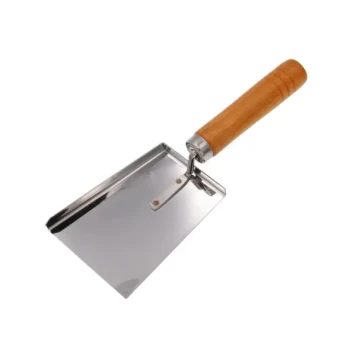
- Stainless Steel Pollen Shovel with Wooden Handle
- Heavy-Duty Ergonomic Grip Galvanized Pollen Shovel
- 30 cm Plastic Entrance Hole Bee Pollen Trap and Collector
- Plastic Bee Pollen Trap Strips Comb Catcher Collector
- Removable Plastic Pollen Trap With Ventilated Tray for Bees Pollen Collector
People Also Ask
- How do bee pollen collection tools affect the quality of bee pollen used in functional dairy ice cream production?
- Why should commercial apiaries focus on the collection of diversified bee products? Maximize Your Hive’s Profit Potential
- How does a specialized pollen collector facilitate the harvesting of diverse bee products? Automate High-Value Yields
- What is the impact of pollen collectors and associated equipment on the cost structure of pollen production? Maximize ROI
- What is the technical significance of using specialized cutting tools for propolis? Master Precision Pollen Harvesting