Supplemental colony feeding is critical during seasonal nectar dearths because it prevents starvation, protects brood production, and preserves the worker population needed for the next honey flow. When natural nectar and pollen become scarce because of seasonal gaps or unfavorable weather, colonies face nutritional stress that can reduce population strength, interrupt the queen’s egg-laying activity, and lower future honey yields. The process depends on reliable feed consumables and suitable hive feeders that deliver nutrition efficiently without creating avoidable management or contamination risks.
During a nectar dearth, supplemental feeding acts as a bridge between floral resources. The right combination of energy feed, protein supplements, clean water, and dependable feeding equipment helps colonies survive the gap and remain strong enough for pollination and the next production season.
Why Nectar Dearths Put Colonies at Risk
Natural forage becomes unreliable
A nectar dearth occurs when flowering plants provide insufficient nectar, pollen, or both. Drought, rain, cold weather, seasonal gaps, and local forage limitations can all reduce the resources available to foraging bees.
When bees cannot collect enough food, the colony must consume stored reserves. Extended shortages can eventually cause starvation or force colonies to reduce brood rearing and overall activity.
Colony population can decline
Nectar and pollen availability directly influence colony maintenance and reproduction. A prolonged shortage may reduce the queen’s egg-laying consistency and limit the colony’s ability to rear new workers.
This creates a compounding problem: fewer workers mean less foraging capacity when conditions improve. Supplemental nutrition helps preserve the population needed to rebuild and respond quickly to the next bloom.
Future production depends on present strength
Honey production during the next major flow depends on having enough healthy, active foragers. If a colony enters that period weakened, it may not collect enough nectar to meet production expectations.
Maintaining colonies through the dearth therefore protects more than short-term survival. It supports stable annual yields and continuity across the broader honey supply chain.
How Supplemental Feeding Supports Colony Performance
Energy feeds maintain daily activity
Sugar syrup and other high-sugar formula feeds provide the energy bees need when natural nectar is unavailable. Depending on the management objective, supplementary feed may contain sugar, water, and in some settings honey or other approved ingredients.
Energy feeding helps maintain normal colony activity and reduces the risk that bees will exhaust their stored reserves before forage returns.
Protein supplements support brood rearing
Pollen patties, pollen substitutes, and mixtures containing flour or pulse powders can provide nutritional support when natural pollen is scarce. These products complement energy feeds by addressing the colony’s broader nutritional requirements.
Protein supplementation is especially relevant when the management priority is to preserve brood production and build a sufficient population of worker bees before the next nectar flow.
Feeding protects reproductive continuity
Consistent nutrition supports the queen’s continued egg-laying activity and helps the colony maintain brood-rearing momentum. This is important during early spring, pollination windows, and other periods when population buildup must occur before a predictable bloom.
The goal is not simply to keep bees alive. It is to maintain a productive colony structure capable of pollination and honey collection when conditions improve.
Clean water supports colony health
Clean water is an essential apiary consumable, particularly when bees cannot reliably access safe natural water sources. Providing water can also reduce the need for bees to travel farther from the hive during stressful conditions.
Water should be supplied through a clean, managed source that can be inspected and replenished consistently.
Which Apiary Consumables Support Supplemental Feeding?
Sugar syrup and bulk sugar
Bulk sugar is the primary input for many supplemental feeding programs. It supports the preparation of syrup in the quantities required by commercial apiaries, wholesalers, and large-scale pollination operations.
For distributors and B2B resellers, dependable sugar supply, consistent specifications, and efficient order fulfillment are important because feeding demand can increase quickly when weather disrupts normal forage.
Ready-to-use high-sugar feeds
High-sugar formula feeds provide a convenient option for beekeepers seeking standardized nutritional inputs. They can simplify field operations and reduce preparation time across multiple apiaries.
Product consistency, packaging suitability, shelf stability, and delivery speed are practical considerations when supplying professional customers.
Honey and water
Honey and water may be included in certain supplementary feed preparations, subject to local management practices and applicable food-safety or apiary protocols. Water is also required for syrup preparation and should be clean and suitable for colony use.
Suppliers should provide clear product information so customers can select ingredients appropriate to their feeding methods and operating conditions.
Pollen patties and pollen substitutes
Pollen patties and other protein supplements support colonies when natural pollen is limited. They are particularly useful when beekeepers need to maintain brood development or build worker populations before a major honey flow.
These products should be sourced with attention to composition, storage requirements, packaging integrity, and compatibility with the customer’s feeding program.
Flour or pulse powder mixtures
Flour and pulse powder mixtures may be used as pollen-substitute inputs in some feeding systems. Their suitability depends on formulation, local practice, and the colony’s nutritional needs.
For commercial buyers, dependable raw-material sourcing and repeatable specifications are essential for maintaining a consistent feeding program across sites.
Hive feeders
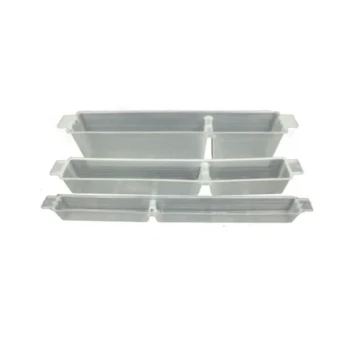
Specialized hive feeders deliver syrup or other liquid supplements while reducing handling complexity. Depending on the operation, customers may require different feeder formats, capacities, and installation arrangements.
A distributor with a broad feeder range can help beekeepers match equipment to hive configuration, colony scale, labor availability, and feeding frequency.
Medicinal and treatment-related products
Some specialized syrups or supplements may be used as carriers for approved disease-management treatments. These products must be handled according to the relevant label, veterinary or apiary guidance, and local regulations.
Feed should not be treated as a substitute for a properly designed disease-control program. Suppliers should distinguish nutritional products from regulated medicinal treatments and provide accurate usage information.
Why Reliable Supply Matters to Commercial Apiaries
Feeding demand is often time-sensitive
A dearth can develop quickly when weather changes or a bloom ends earlier than expected. Delayed access to sugar, protein supplements, or feeders can expose colonies to unnecessary nutritional stress.
Rapid response and efficient order fulfillment therefore have direct operational value for beekeepers, distributors, and pollination businesses.
One-stop sourcing reduces coordination
A full-spectrum product portfolio allows buyers to source feed ingredients, prepared supplements, water-related consumables, and hive feeders through a single supplier. This reduces purchasing complexity and helps standardize inputs across multiple apiaries.
For wholesalers and resellers, one-stop sourcing also supports a more complete offering for their own customers.
Product expertise improves purchasing decisions
Different feeding goals require different products. A colony being maintained through a short nectar gap may need a different combination of energy feed and equipment than a colony being built for spring pollination or a major honey flow.
Dedicated customer service and professional technical knowledge help buyers select appropriate products, quantities, packaging, and delivery schedules.
Understanding the Trade-offs
Feeding does not replace natural forage
Supplemental feed is a management bridge, not a complete replacement for diverse nectar and pollen sources. Natural forage remains important for colony nutrition, behavior, and long-term resilience.
Beekeepers should use feeding alongside forage planning, colony monitoring, and seasonal management.
Incorrect feeding can create operational problems
Poorly selected feeders, inadequate cleaning, leaks, or overfeeding can increase waste and complicate hive management. Feeders should be inspected regularly, and liquid feed should be protected from contamination and unwanted access.
The feeding method must match the apiary’s scale, climate, hive design, and labor capacity.
Protein and energy needs are different
Sugar syrup supplies energy but does not provide the same nutritional role as pollen or an appropriate pollen substitute. Conversely, a protein supplement cannot replace the energy required for daily colony activity.
Feeding programs should be based on the specific shortage and management objective rather than relying on one product for every need.
Treatment claims require careful control
Products associated with medicinal treatments must be clearly differentiated from ordinary feed consumables. Incorrect application, unapproved ingredients, or unclear labeling can create regulatory, residue, and colony-health risks.
Professional suppliers should maintain accurate specifications and communicate permitted uses clearly.
Making the Right Choice for Your Goal
A practical sourcing program should connect the colony’s biological needs with the apiary’s operational requirements.
- If your primary focus is colony survival: Prioritize dependable sugar syrup or high-sugar feed, suitable hive feeders, and clean water to maintain energy intake during the dearth.
- If your primary focus is brood rearing: Add pollen patties or appropriate pollen substitutes, with protein-supporting ingredients selected for the feeding objective.
- If your primary focus is pollination readiness: Maintain energy and protein supplies early enough to preserve a strong population of active worker bees before the pollination window.
- If your primary focus is honey production: Use supplemental feeding to protect colony strength before the next major bloom, while managing feed carefully to avoid compromising honey-quality or harvest protocols.
- If your primary focus is distribution efficiency: Work with a supplier offering bulk sugar, prepared feeds, protein supplements, feeders, technical support, rapid response, and reliable delivery through one coordinated sourcing channel.
With the right consumables and timely supply, supplemental feeding preserves colony strength through the dearth and positions the apiary for productive performance when natural forage returns.
Summary Table:
| Consumable | Purpose | Key Considerations |
|---|---|---|
| Sugar Syrup / Bulk Sugar | Provides energy when nectar is scarce | Quality, consistency, and bulk supply for commercial use |
| High-Sugar Feeds | Convenient energy source | Standardized, ready-to-use, packaging and shelf life |
| Honey and Water | Supports hydration and syrup prep | Clean sources, safe handling |
| Pollen Patties / Substitutes | Supports brood rearing | Composition, storage, compatibility |
| Flour / Pulse Powders | Protein input for pollen substitutes | Formulation consistency |
| Hive Feeders | Delivers liquid feed efficiently | Capacity, type, installation |
| Medicinal Additives | Carries approved treatments | Regulatory compliance, label claims |
Ensure your colonies thrive through every season. At HONESTBEE, we supply premium apiary consumables and equipment, from bulk sugar and pollen patties to reliable hive feeders. With fast delivery, expert support, and a full product range, we help commercial apiaries and distributors maintain strong, productive colonies. Contact us today to discuss your feeding needs and discover our wholesale solutions.
Related Products
- In-Hive Dual Compartment Frame Bee Feeder for Targeted Colony Nutrition
- Yellow Plastic Bucket Pail Perch for Beekeeping
People Also Ask
- What are the advantages of using a frame feeder for bee colonies? Boost Growth and Prevent Robbing Efficiently
- Why should sugar syrup or dry sugar not be left out in the open when feeding bees? Avoid a Dangerous Feeding Frenzy
- What precautions should be taken when feeding bees inside the hive? Safeguard Your Colony from Robbing and Leaks
- How do in-hive feeders support honey bee colonies during autumn? Ensure Overwintering Success for Your Apiary
- What are the advantages of in-hive feeders vs external methods? Boost Colony Health with Precise Spring Feeding