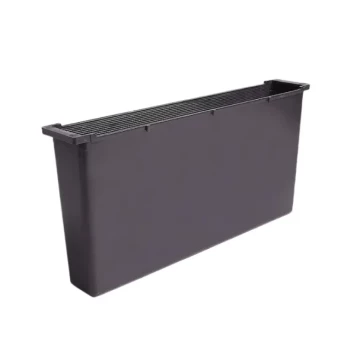
An in-hive feeder is necessary because it isolates the stimulatory feed within the colony's temperature-controlled environment, ensuring the nano-particle solution remains stable and is consumed efficiently. This approach is the only reliable way to guarantee that the specific nutritional dosage is transmitted accurately to the bees without external loss or interference.
Precision in beekeeping treatments requires eliminating variables. By placing the feeder internally, you transform a chaotic external feeding process into a controlled, measurable delivery system that preserves the integrity of active ingredients.
Securing the Delivery Environment
Leveraging Internal Temperature Control
The effectiveness of syrup containing nano-particles (such as silver or copper) depends heavily on stability.
An in-hive feeder places the solution directly into the stable microclimate maintained by the colony. This prevents extreme temperature fluctuations that could degrade the feed or alter the suspension of the particles.
Preventing Spoilage and Loss
When feed is exposed to the elements, the risk of degradation increases significantly.
Internal placement protects the syrup from rain, wind, and direct sunlight. This ensures the feed remains fresh and consumable for longer periods, preventing the loss of active ingredients before the bees have a chance to ingest them.
The Mechanics of Effective Transmission
Ensuring Continuous Consumption
For stimulatory feed to be effective, the uptake by the colony must be consistent.
In-hive feeders promote continuous and uniform consumption because the resource is immediately accessible to the cluster. This steady intake is crucial for ensuring the nano-particles are distributed throughout the colony population rather than consumed sporadically.
Guaranteeing Dosage Accuracy
The primary goal of using nano-particles is often therapeutic or nutritional, requiring a specific dosage.
By eliminating external variables, internal feeding guarantees the accurate transmission of the intended dosage. You can be confident that the volume of syrup missing from the feeder corresponds directly to the volume consumed by that specific colony.
Avoiding Common External Feeding Risks
Preventing Robbing Behavior
One of the most significant risks of feeding syrup is attracting bees from neighboring colonies or other insects.
External feeding often triggers "robbing," where stronger colonies steal resources from weaker ones. An in-hive feeder keeps the resource exclusive to the target colony, preventing resource loss and the potential spread of pathogens between hives.
Making the Right Choice for Your Goal
To maximize the effectiveness of your stimulatory feeding program, consider your primary objective:
- If your primary focus is scientific or therapeutic accuracy: Prioritize in-hive feeders to ensure the exact dosage of nano-particles is ingested without degradation or loss.
- If your primary focus is colony security: Use internal feeders to prevent robbing, ensuring the specialized feed supports only the intended hive.
Control the environment, and you control the outcome of the treatment.
Summary Table:
| Key Benefit | Description | Impact on Nano-Particles |
|---|---|---|
| Temperature Control | Utilizes hive microclimate to stabilize feed. | Prevents degradation of active ingredients. |
| Dosage Precision | Eliminates external loss and environmental interference. | Guarantees accurate therapeutic transmission. |
| Resource Security | Prevents robbing behavior from neighboring colonies. | Ensures exclusive consumption by the target hive. |
| Stability | Protects syrup from UV light, wind, and rain. | Maintains the suspension and freshness of the solution. |
Maximize Your Colony Productivity with HONESTBEE Solutions
At HONESTBEE, we understand that precision is the backbone of successful commercial beekeeping. Whether you are managing a large-scale commercial apiary or supplying the industry as a distributor, our comprehensive range of beekeeping tools, machinery, and essential consumables is designed to meet your highest standards.
From advanced in-hive feeding systems that ensure dosage accuracy to industrial-grade honey-filling machines and hive-making hardware, we provide the tools you need to scale efficiently. Let us help you safeguard your treatments and streamline your operations with our professional-grade wholesale offerings.
Ready to upgrade your apiary’s efficiency? Contact us today to explore our full portfolio and find the perfect equipment for your business.
References
- I. I. Dvylyuk, I. V. Dvyliuk. Features of functioning of the reproductive system of honey bees queen after feeding the silver and copper nanoparticles citrate-based. DOI: 10.15407/animbiol21.03.033
This article is also based on technical information from HonestBee Knowledge Base .
Related Products
- In-Hive Dual Compartment Frame Bee Feeder for Targeted Colony Nutrition
- Professional In-Hive Frame Bee Feeder by HONESTBEE
- Professional In-Hive Bee Feeder HONESTBEE Frame for Beekeeping
- 3.5L Plastic Beehive Frame Feeder Deep Frame Water Feeder for In Hive Use
- HONESTBEE Entrance Bee Feeder Professional Hive Nutrition Solution for Beekeeping
People Also Ask
- What are the advantages of using a frame feeder for bee colonies? Boost Growth and Prevent Robbing Efficiently
- Why should sugar syrup or dry sugar not be left out in the open when feeding bees? Avoid a Dangerous Feeding Frenzy
- What precautions should be taken when feeding bees inside the hive? Safeguard Your Colony from Robbing and Leaks
- How do in-hive feeders support honey bee colonies during autumn? Ensure Overwintering Success for Your Apiary
- How do high-quality in-hive feeders assist in managing bee colonies during pesticide contamination? Protect Your Apiary