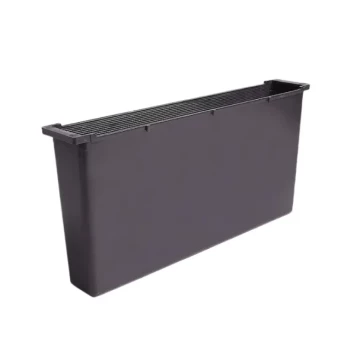
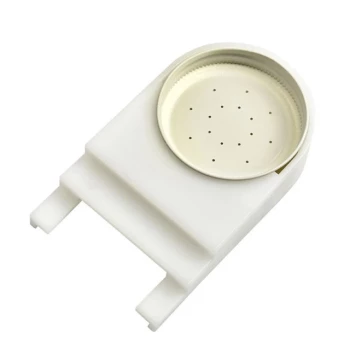
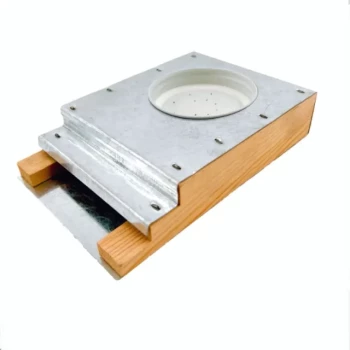
In-hive feeders provide a critical nutritional lifeline by delivering high-concentration energy and protein directly into the colony's protected environment. This internal placement circumvents the external challenges of autumn, such as nectar scarcity and low temperatures, allowing the colony to maintain vital physiological functions without leaving the hive.
Core Takeaway Autumn feeding is not merely about preventing starvation; it is a strategic intervention to ensure the development of "winter bees." By bringing resources inside the hive, you bypass environmental constraints to maintain queen egg-laying and build the population that must survive until spring.
Overcoming Environmental Constraints
Bypassing Resource Scarcity
During autumn, external nectar and pollen sources naturally deplete. In-hive feeders act as a substitute forage source, providing immediate access to high-concentration sugar syrups and protein supplements.
Mitigating Temperature Barriers
Honey bees cannot forage effectively when temperatures drop. Because the feeder is located inside the hive, the colony can access food even when low temperatures prevent foraging flights.
Securing Energy Reserves
The primary function of this method is to allow bees to stockpile resources efficiently. By reducing the distance bees must travel to find food, the colony conserves energy that would otherwise be wasted on fruitless foraging trips.
The Biological Impact on the Colony
Stimulating Queen Activity
Nutritional consistency is the primary signal for the queen to continue laying eggs. A steady flow of resources from in-hive feeders helps stimulate the queen bee's egg-laying activity even as days shorten.
Developing Winter Bees
The ultimate goal of autumn feeding is the successful rearing of winter bees. These are physiologically distinct bees with higher fat reserves, capable of living several months to sustain the colony through the cold season.
Enhancing Brood Rearing
With consistent feed, worker bees can maintain their brood-rearing capabilities. This results in a significant increase in the capped brood area and ensures the adult bee population remains strong enough to thermoregulate during winter.
Enhancing Nutritional Quality
Addressing Nutritional Limitations
Simple sugar syrup provides calories but lacks essential nutrients. To compensate for this, feeders can be used to deliver natural plant extract supplements.
The Role of Bioactive Regulators
These supplements contain critical components such as flavonoids, polyphenols, essential oils, and amino acids. These bioactive regulators act as a bridge, ensuring the colony receives complete nutrition despite the lack of natural pollen.
Understanding the Trade-offs
Sugar vs. Complete Nutrition
A common pitfall is relying solely on simple sugar syrups. While syrups provide immediate energy, they suffer from nutritional limitations compared to natural nectar and pollen.
The Necessity of Supplements
Without the addition of bioactive components or protein, a colony may have full honey stores but physically weak bees. To maximize colony health, one must move beyond simple calorie counting to a holistic nutritional approach involving amino acids and micro-nutrients.
Making the Right Choice for Your Goal
To apply this strategy effectively, tailor your feeding approach to the specific needs of your apiary:
- If your primary focus is Colony Survival: Prioritize high-concentration sugar syrup in the feeders to rapidly build up heavy winter stores before the cold sets in.
- If your primary focus is Population Strength: Incorporate natural plant extract supplements to boost brood rearing and correct nutritional imbalances in the bees' diet.
Success in overwintering relies on shifting your mindset from reactive feeding to proactive nutritional management.
Summary Table:
| Nutritional Function | Impact on Colony | Key Advantage |
|---|---|---|
| Energy Provision | Rapidly builds winter stores | Bypasses low temperature foraging barriers |
| Queen Stimulation | Maintains egg-laying activity | Ensures a high population of young winter bees |
| Nutrient Delivery | Supplements essential amino acids | Corrects nutritional gaps from nectar scarcity |
| Resource Security | Maximizes capped brood area | Reduces energy waste from fruitless foraging |
Secure Your Apiary's Future with HONESTBEE
Maximize your colony's winter survival rate with professional-grade beekeeping equipment. HONESTBEE specializes in catering to commercial apiaries and distributors by providing a comprehensive wholesale catalog. From specialized in-hive feeders and hive-making machinery to essential industry consumables and honey-themed merchandise, we deliver the tools you need to build stronger, healthier colonies.
Ready to scale your operations and enhance hive productivity? Contact our expert team today to explore our full spectrum of beekeeping hardware and machinery solutions.
References
- William G. Meikle, Kirk E. Anderson. Internal hive temperature as a means of monitoring honey bee colony health in a migratory beekeeping operation before and during winter. DOI: 10.1007/s13592-017-0512-8
This article is also based on technical information from HonestBee Knowledge Base .
Related Products
- In-Hive Dual Compartment Frame Bee Feeder for Targeted Colony Nutrition
- Professional In-Hive Frame Bee Feeder by HONESTBEE
- Professional In-Hive Bee Feeder HONESTBEE Frame for Beekeeping
- 3.5L Plastic Beehive Frame Feeder Deep Frame Water Feeder for In Hive Use
- HONESTBEE Entrance Bee Feeder Professional Hive Nutrition Solution for Beekeeping
People Also Ask
- What are the advantages of using a frame feeder for bee colonies? Boost Growth and Prevent Robbing Efficiently
- Why should sugar syrup or dry sugar not be left out in the open when feeding bees? Avoid a Dangerous Feeding Frenzy
- What precautions should be taken when feeding bees inside the hive? Safeguard Your Colony from Robbing and Leaks
- Why is an in-hive feeder necessary for stimulatory feed? Protect Nano-Particle Integrity and Dosage Accuracy
- How do high-quality in-hive feeders assist in managing bee colonies during pesticide contamination? Protect Your Apiary