After fungicide exposure, supplemental nutrition helps colonies replace disrupted forage quality and rebuild strength. Fungicides can reduce beneficial fungi such as Aspergillus and Penicillium in bee bread, impairing pollen fermentation and contributing to nutritional stress. Clean pollen patties, scientifically formulated pollen substitutes, and sugar syrup provide reliable protein and energy while natural forage is compromised, supporting brood rearing, queen laying, and disease resistance.
The central management goal is continuity: give colonies verified, nutritionally balanced feed during and immediately after spray events so weakened bees are not forced to depend on contaminated or nutritionally degraded pollen.
How Fungicide Exposure Creates Nutritional Stress
It can disrupt bee bread fermentation
Bee bread is fermented stored pollen that supplies important nutrients to the colony. When fungicide exposure reduces beneficial microorganisms involved in this process, the colony may receive less nutritional value from its existing pollen stores.
This creates a problem beyond simple forage shortage: pollen may be present in the hive but less effectively processed and utilized.
It can increase pressure on brood and nurse bees
Protein is essential for nurse bees and developing larvae. When usable protein declines, nurse bees may struggle to produce sufficient royal jelly, while brood development and population growth can slow.
Nutritional stress can also weaken the colony’s ability to maintain normal disease resistance, increasing concern about brood disorders such as chalkbrood.
It can compound forage interruptions
Spray events often coincide with periods when beekeepers need to restrict access to treated forage or when available pollen is already limited. Monoculture landscapes, seasonal dearths, and poor-quality pollen can intensify the same nutritional problem.
Supplemental feeding provides a controlled source of nutrition while the colony recovers and natural forage becomes safer or more abundant.
What Supplemental Feed Contributes
Clean pollen patties provide accessible protein
Pollen patties made with clean pollen or high-quality pollen substitutes place protein close to the brood area. This helps nurse bees maintain brood-rearing activity when natural pollen is unavailable, suspect, or nutritionally inadequate.
For commercial operations, patties also offer a practical way to deliver consistent nutrition across multiple colonies.
Pollen substitutes support continuity
A scientifically formulated substitute can provide proteins, lipids, vitamins, and minerals needed to sustain brood production. It is particularly useful when colonies have depleted pollen stores or when natural pollen lacks adequate nutritional diversity.
Substitutes may be supplied dry or incorporated into patties with an appropriate carrier, depending on the product and management system.
Sugar syrup supplies energy
Sugar syrup does not replace the protein function of pollen or pollen substitutes. Its primary role is to provide readily available energy when forage is restricted, helping bees maintain basic activity and process supplemental protein.
Using syrup alongside a protein supplement can therefore address two different needs: energy availability and brood-rearing nutrition.
How Feeding Supports Colony Recovery
It can stimulate queen oviposition
When food is available near the brood nest, the colony is better positioned to sustain brood production. This can encourage the queen to resume or maintain egg laying after exposure-related stress.
The benefit is most relevant when the colony has enough adult bees and suitable conditions to care for new brood.
It helps restore worker populations
Fungicide exposure and nutritional shortages can reduce colony momentum. Supporting continued brood development gives weakened colonies an opportunity to replace lost or aging workers.
A stronger worker population improves nursing, thermoregulation, foraging capacity, and the colony’s ability to recover.
It supports disease resistance
Adequate nutrition helps bees maintain immune function and tolerance to pathogens. This is especially important when disrupted bee bread fermentation and weakened brood-rearing conditions may increase vulnerability to diseases such as chalkbrood.
Supplemental feed is not a substitute for disease monitoring or sound apiary hygiene, but it can reduce malnutrition as a contributing stress factor.
Timing and Placement Matter
Feed during and immediately after spray events
The primary window is during exposure-related forage disruption and immediately afterward. Early feeding reduces the period in which colonies must rely on questionable forage or depleted stores.
Beekeepers should also monitor consumption, brood pattern, pollen stores, and colony strength to determine whether feeding needs to continue.
Place protein near the brood area
Positioning patties close to the brood nest makes the supplement accessible to nurse bees. This supports more continuous use than placing feed where it is difficult for the colony to reach or regulate.
Feeding should be adjusted to colony size and demand to avoid unnecessary waste or prolonged exposure of feed to moisture and pests.
Coordinate with seasonal dearths
The same approach applies during early spring buildup, mid-summer shortages, and late-season dearths. In cooler regions, feeding may begin in late winter or early spring; warmer regions may require support during winter or late summer and autumn shortages.
After fungicide exposure, however, the trigger is not only the calendar—it is the colony’s forage quality, pollen stores, and recovery condition.
Understanding the Trade-offs
Clean sourcing is essential
Supplemental feed should be sourced from suppliers that can provide clear product specifications, consistent quality, and appropriate handling. “Pollen-based” does not automatically mean residue-free, so buyers should evaluate supplier controls and documentation.
For distributors and commercial beekeepers, reliable availability and rapid fulfillment are operational advantages because feeding often needs to begin on short notice after a spray event.
Low-quality substitutes can create new problems
Simple flour or poorly formulated products should not be treated as equivalent to a balanced pollen substitute. In some bee systems, low-quality substitutes may negatively alter the gut microbiome and weaken immune protection.
Commercial feeds should therefore be selected for formulation quality, intended bee species, nutritional suitability, and consistent manufacturing standards.
Supplemental feed does not remove fungicide residues
Feeding supports nutrition; it does not detoxify contaminated forage, clean stored pollen, or eliminate pesticide exposure. Colonies still require responsible spray coordination, apiary risk assessment, residue-aware sourcing, and appropriate monitoring.
Overfeeding is not automatically beneficial
More feed is not always better. Excess patties or syrup can spoil, attract pests, create storage issues, or remain unused if the colony lacks sufficient bees to consume them.
Feeding programs should be matched to colony population, brood demand, weather, natural forage, and the expected duration of the dearth.
Making the Right Choice for Your Goal
Select products and supply partners according to both colony biology and operational requirements.
- If your primary focus is rapid post-exposure recovery: Use clean, protein-rich pollen patties or a scientifically formulated substitute alongside energy-supporting syrup, while monitoring brood and worker populations closely.
- If your primary focus is commercial pollination strength: Maintain consistent access to balanced supplements so colonies can rebuild populations before major pollination or nectar flows.
- If your primary focus is distributor or wholesale supply: Prioritize suppliers offering a full product range, dependable quality documentation, responsive customer service, and fast order fulfillment.
- If your primary focus is disease-risk reduction: Treat nutrition as one part of an integrated program that also includes forage assessment, residue-aware management, hygiene, and brood-disease monitoring.
With clean, balanced nutrition and dependable supply planning, beekeepers can help exposed colonies maintain brood production, rebuild worker populations, and recover more resiliently.
Summary Table:
| Key Benefit | Description |
|---|---|
| Replaces disrupted forage | Provides reliable protein and energy when natural pollen is compromised. |
| Supports brood rearing | Ensures nurse bees have resources for royal jelly and larvae development. |
| Stimulates queen oviposition | Encourages egg laying and colony growth. |
| Restores worker populations | Helps replace lost or aging bees, boosting hive strength. |
| Enhances disease resistance | Reduces nutritional stress, improving immune function. |
Ensure your colonies have the best nutrition after fungicide exposure. HONESTBEE offers comprehensive wholesale solutions for beekeepers and distributors, including clean pollen patties, scientifically formulated substitutes, and sugar syrup. With our rapid response, dedicated service, and fast fulfillment, we support your colony recovery. Contact us today to discover how our one-stop sourcing can benefit your operation.
Related Products
- Plastic Bee Pollen Trap Strips Comb Catcher Collector
- Removable Plastic Pollen Trap With Ventilated Tray for Bees Pollen Collector
- 30 cm Plastic Entrance Hole Bee Pollen Trap and Collector
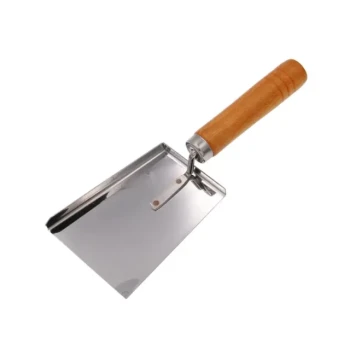
- Stainless Steel Pollen Shovel with Wooden Handle
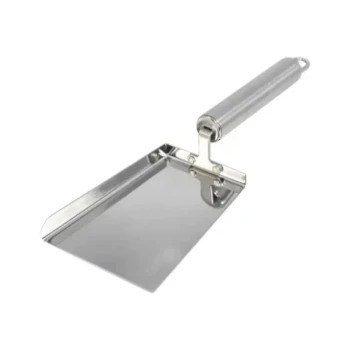
- Heavy-Duty Ergonomic Stainless Steel Pollen Shovel
People Also Ask
- For what reasons do beekeepers collect bee pollen? Boost Hive Health and Unlock New Revenue Streams
- What are the design principles and advantages of pollen traps in the collection of bee pollen? Boost Your Apiary Yield
- What are the ideal weather conditions for installing a bee pollen trap? Ensure Colony Safety with Expert Timing
- Why is frequent harvesting of bee pollen from traps necessary for quality control? Ensure Freshness and Prevent Mold.
- What is the primary function of bee pollen traps? Optimize Your Pollen Harvest with Advanced Extraction Efficiency