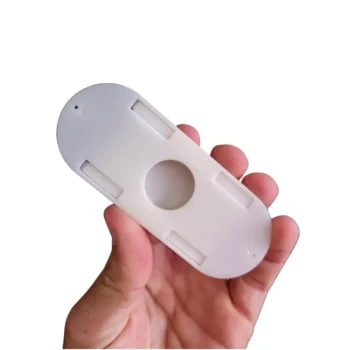
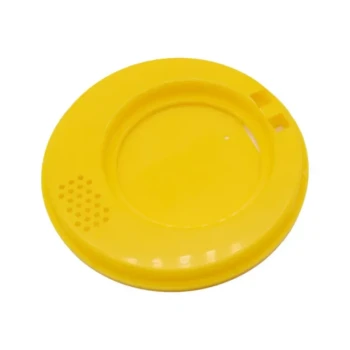
The ideal weather for installing a bee pollen trap is an overcast day that is not excessively hot. This specific condition helps mitigate the immediate stress and thermal load placed on the colony during the installation process.
Installing a pollen trap restricts hive traffic and airflow. Choosing a cooler, overcast day is critical to prevent a dense colony from overheating as bees struggle to navigate the new entry mechanism.
Managing Hive Temperature
The Preference for Overcast Skies
You should aim for cloud cover rather than direct, blazing sun when fitting the trap. An overcast day naturally limits the ambient temperature, providing a significantly safer environment for the colony during the transition.
Avoiding Extreme Heat
High temperatures are the primary danger during installation. If the ambient air is already hot, the added stress of the trap installation can quickly lead to critical internal temperatures. Do not install a trap during a heatwave.
Understanding the Risk Factors
The Congestion Problem
Pollen traps force bees to pass through specific grids or stripping mechanisms. This causes a temporary "traffic jam" at the entrance as the bees attempt to figure out how to exit the hive.
Density Amplifies Risk
Strong, populous colonies are at the highest risk. A large number of bees generating body heat, combined with restricted ventilation and blocked exit routes, creates a rapid temperature spike that can be fatal to the colony.
Operational Trade-offs and Maintenance
Protecting the Harvest
While installation requires cooler weather, the trap's ongoing operation relies on protection from the elements. A good trap design must shield the collected pollen from moisture and direct sunlight to prevent spoilage and adulteration.
The Necessity of Removal
A trap should not be left on indefinitely. If you are not actively collecting pollen, or if the colony is weakening, the trap must be removed or switched to the "off" position. Leaving a trap on a dying colony can result in severe pest infestations, such as small hive beetles and wax moths.
Best Practices for Successful Management
To balance pollen harvesting with colony health, follow these specific guidelines:
- If your primary focus is Safe Installation: Wait for a cool, cloudy day to prevent thermal stress caused by entrance congestion.
- If your primary focus is Pollen Quality: Ensure the trap design protects the harvest from rain and sun, and harvest frequently to prevent packing.
Prioritizing the colony's temperature regulation during installation ensures a productive harvest without compromising the hive's survival.
Summary Table:
| Factor | Ideal Condition | Why It Matters |
|---|---|---|
| Sky Condition | Overcast / Cloudy | Reduces direct solar heat and thermal load during installation. |
| Temperature | Mild (Avoid Heatwaves) | Prevents fatal temperature spikes caused by entrance congestion. |
| Hive Density | Active, Strong Colonies | High-population hives generate more heat and require careful timing. |
| Post-Install | Dry and Protected | Shielding from rain and sun prevents pollen spoilage. |
| Maintenance | Periodic Removal | Prevents pest infestations (SHB/Wax Moths) and colony fatigue. |
Maximize Your Pollen Yield with HONESTBEE
At HONESTBEE, we understand that commercial success in beekeeping requires the perfect balance of colony health and operational efficiency. Whether you are managing thousands of hives or distributing professional-grade supplies, we provide the specialized hardware you need—from pollen traps and beekeeping tools to industrial honey-filling machines.
Our comprehensive wholesale offering is tailored for commercial apiaries and distributors seeking durable, high-performance equipment and essential industry consumables. Contact us today to discuss how our full spectrum of beekeeping machinery and cultural merchandise can add value to your business and streamline your operations.
Related Products
- 30 cm Plastic Entrance Hole Bee Pollen Trap and Collector
- Plastic Bee Pollen Trap Strips Comb Catcher Collector
- Removable Plastic Pollen Trap With Ventilated Tray for Bees Pollen Collector
- High-Efficiency Diamond Maze Bee Escape for Clearing Supers
- HONESTBEE Professional Telescopic Pole Bee Swarm Catcher
People Also Ask
- What are the design principles and advantages of pollen traps in the collection of bee pollen? Boost Your Apiary Yield
- Why is frequent harvesting of bee pollen from traps necessary for quality control? Ensure Freshness and Prevent Mold.
- How often should bee pollen be harvested from a trap and why? Master Freshness and Prevent Spoilage
- What function do pollen traps serve in quantitative collection? Boost Your Apiary's Data & Production Efficiency
- What is the primary function of bee pollen traps? Optimize Your Pollen Harvest with Advanced Extraction Efficiency