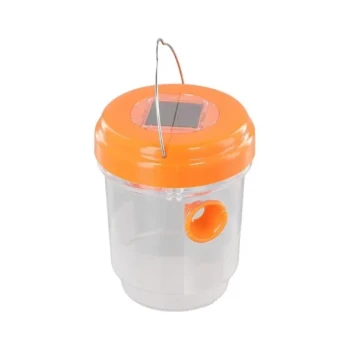
Remote apiary monitoring requires a self-sustaining power architecture to overcome the complete lack of grid infrastructure in wild environments. Because monitoring nodes must capture data continuously—regardless of weather or time of day—a solar panel alone is insufficient due to night-time dormancy, while a standalone battery is impractical due to rapid depletion. The combination of solar generation and rechargeable storage creates a closed-loop energy system that ensures 24/7 uptime without human intervention.
Core Insight A solar-plus-battery system provides complete energy autonomy, bridging the gap between intermittent power generation and continuous power consumption. This setup is the only viable method to maintain uninterrupted data streams while eliminating the biological stress caused by frequent manual maintenance.
Achieving Energy Autonomy in Off-Grid Environments
Overcoming the Lack of Infrastructure
Remote apiaries are typically situated in forests, mountains, or grasslands to maximize pollination and honey production. These locations almost never possess a stable mains power supply. Relying solely on standard non-rechargeable batteries would result in frequent system failures as high-consumption sensors drain power reserves.
The Cycle of Capture and Storage
The primary reference highlights that solar panels serve as the energy collector, powering sensors and communication hardware during daylight hours. Simultaneously, excess energy is diverted to charge a high-capacity battery.
Bridging the Night-Time Gap
The rechargeable battery is the critical stabilizer in this equation. It sustains system operations—including sensors, microcontrollers, and heaters—during the night or periods of low sunlight. This hand-off between direct solar power and stored battery power ensures the system never goes offline.
The Biological and Operational Advantages
Reducing Colony Disturbance
A critical, often overlooked reason for this setup is biological preservation. As noted in the supplementary data, frequent manual battery replacements require physical visits to the hive. These visits cause stress-inducing disturbances to bee biological behavior; a self-charging system allows for "set-and-forget" monitoring that leaves the colony in peace.
Eliminating Maintenance Overheads
Remote apiary sites are often difficult to access. A system that requires monthly battery swaps incurs significant travel costs and labor time. Solar-rechargeable systems eliminate this maintenance burden, significantly reducing the long-term operational costs of large-scale apiary automation.
Supporting High-Power Components
Modern monitoring is not just passive logging; it often involves active components like heaters (to prevent sensor condensation), air pumps, or electric fences for predator defense. These components have high power demands that would deplete a standalone battery in days. Only a solar-regenerated system can support this load indefinitely.
Understanding the Trade-offs
System Sizing Complexity
While this solution offers autonomy, it requires precise engineering. You must calculate the solar panel size and battery capacity based on the "worst-case scenario" (e.g., several consecutive cloudy days) rather than average conditions. Undersizing the battery will lead to data gaps during prolonged bad weather.
Component Degradation
Batteries and solar panels are exposed to the elements year-round. While they eliminate the need for frequent visits, the system still requires occasional checks to ensure panels are clean of dust or pollen and that battery health hasn't degraded due to temperature extremes.
Making the Right Choice for Your Project
Whether you are building a research station or a commercial honey farm, the power architecture determines the reliability of your data.
- If your primary focus is Biological Research: Prioritize a larger battery capacity to ensure zero downtime and zero human intrusion during critical hive cycles.
- If your primary focus is Commercial Security: Ensure your solar array is oversized to handle the surge currents required by active defense mechanisms like electric fences or harps.
The combination of solar harvesting and battery storage is not just a power source; it is the fundamental enabler of non-intrusive, continuous observation in the wild.
Summary Table:
| Feature | Solar Panel Only | Battery Only | Solar + Rechargeable Battery |
|---|---|---|---|
| Operational Time | Daylight hours only | Until depletion | 24/7 Continuous |
| Maintenance Level | Low | High (Frequent swaps) | Very Low (Self-sustaining) |
| Colony Disturbance | Low | High (Manual visits) | Minimal (Set-and-forget) |
| Power Capacity | Intermittent | Limited | High (Supports active components) |
| Infrastructure | Not required | Not required | Not required |
Elevate Your Apiary Management with HONESTBEE
Transitioning to smart, autonomous monitoring is the future of commercial beekeeping. At HONESTBEE, we empower commercial apiaries and distributors with high-performance wholesale beekeeping solutions. From specialized hive-making and honey-filling machinery to a full spectrum of beekeeping tools and essential consumables, we provide everything needed to scale your operations efficiently.
Our value to you:
- Comprehensive Wholesale Range: One-stop shop for all hardware and consumables.
- Precision Engineering: Reliable machinery designed for industrial-scale honey production.
- Industry Expertise: Tailored support for large-scale distributors and professional beekeepers.
Ready to optimize your production and reduce maintenance overheads?
References
- Yasser Asrul Ahmad, Mohd Faizal Jamlos. Integration of LoRa IoT with Cloud Platform in a Stingless Beehive Remote Monitoring System. DOI: 10.31436/iiumej.v26i1.3531
This article is also based on technical information from HonestBee Knowledge Base .
Related Products
- Solar Powered LED Wasp Trap
- Professional Rechargeable Beekeeping Headlamp Flashlight with Red Light Mode and Type-C Charging
People Also Ask
- What are the practical advantages of using professional wasp traps and protective equipment in apiary management? Scale Up
- Why replace sugar syrup bait in wasp traps every three days? Ensure Maximum Attraction and Catch Rates
- How can commercial apiary operators mitigate wasp predation around hives using specialized trapping equipment? Effective strategies for wasp control
- How do unripe honey combs or syrup-soaked empty combs function in Oriental Hornet monitoring systems?
- What role do Flumethrin-based products play in honeybee pest management? Boost Hive Survival and Spring Growth