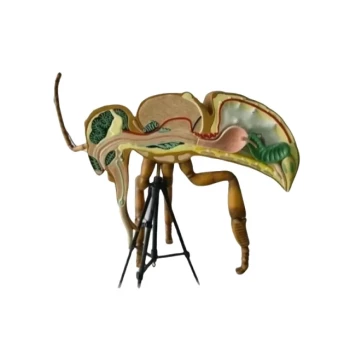
A 'nuc'—short for nucleus colony—is a compact hive structure that typically holds three to five frames of comb. It functions as a fully operational, miniature colony containing a laying queen, developing brood, food stores (honey and pollen), and a population of adult bees.
Beekeepers utilize nucs as a versatile management tool, serving as the biological "building blocks" for establishing new colonies, managing resources, or rearing queens.
A nuc is not merely a small box; it is a self-sustaining, biological unit often used to start new hives, capture swarms, or act as a critical backup resource for a standard apiary.
The Anatomy of a Nucleus Colony
Understanding the Composition
A standard nuc is essentially a microcosm of a full-sized Langstroth hive. While the box is smaller, the internal dynamics are identical to a production colony.
A typical five-frame nuc usually contains three frames of brood (eggs and larvae) and two frames of honey and pollen resources.
Population Density
The biological footprint of a nuc is significant despite its size. A healthy nuc typically houses between 5,000 to 8,000 bees.
This population includes a mix of nurse bees, foragers, and a laying queen. Because the colony is usually 4 to 7 weeks old when purchased or established, it possesses a stability that bee packages often lack.
Strategic Applications in Beekeeping
Establishing New Hives
The most common use for a nuc is starting a new apiary. Because the colony already has a laying queen and accepted brood, there is no "lag time" for the bees to establish themselves.
The bees can immediately focus on expansion rather than survival, making nucs the preferred method for many beginners to populate standard hives.
Acting as a "Resource Hive"
Experienced beekeepers use nucs as an insurance policy for their main colonies. A nuc can be maintained indefinitely alongside full-sized hives to provide spare resources.
If a production hive loses its queen or becomes weak, the beekeeper can pull a frame of brood or even the queen from the nuc to save the larger colony.
Swarm Management and Capture
Nucs are highly effective tools for swarm control. They can serve as bait hives, placed strategically to attract wild swarms looking for a new home.
They are also used for swarm capture. When a beekeeper physically collects a swarm, placing them into a nuc box provides the tight, secure space the bees prefer while they establish their new organization.
Queen Mating and Rearing
Specialized, smaller versions known as mini nucs or mating nucs are used specifically for queen breeding.
These often utilize two or three small, half-length frames. They provide just enough resources for a virgin queen to mate and begin laying without requiring the resources of a full-sized colony.
Understanding the Trade-offs
Rapid Expansion Risks
The primary limitation of a nuc is space. Because the colony is healthy and has a laying queen, the population will expand rapidly.
If the beekeeper does not transfer the colony to a larger, standard hive box quickly enough, the nuc will become overcrowded. This often triggers the bees to swarm (leave the hive), depleting your livestock.
Overwintering Complexity
While nucs can be overwintered, it requires careful management. A small cluster of bees has less thermal mass than a full colony.
Beekeepers must ensure the nuc has sufficient honey stores relative to its size and may need to provide additional insulation or protection to ensure survival through cold months.
Making the Right Choice for Your Goal
Whether you are a novice or a commercial operator, the utility of a nuc depends on your immediate objective.
- If your primary focus is starting your first hive: Purchase a 5-frame nuc, as it offers a stable, laying queen and established brood, reducing the risk of early colony failure.
- If your primary focus is apiary security: Maintain a permanent "resource nuc" to provide backup brood frames or emergency replacement queens for your production hives.
- If your primary focus is queen breeding: Utilize mini nucs or mating nucs to minimize resource investment while mating virgin queens.
A nuc is the most reliable bridge between a fragile starter culture and a thriving, honey-producing colony.
Summary Table:
| Feature | Description |
|---|---|
| Standard Size | Typically 3 to 5 frames of comb |
| Core Components | Laying queen, brood (eggs/larvae), honey, and pollen stores |
| Bee Population | Approximately 5,000 to 8,000 bees |
| Primary Uses | Starting new hives, resource insurance, swarm capture, and queen mating |
| Key Advantage | No lag time; immediate expansion due to established biological unit |
| Main Risk | Rapid overcrowding leads to swarming if not transferred to a full hive |
Scale Your Apiary Success with HONESTBEE
Whether you are managing a commercial apiary or supplying local beekeepers, having the right equipment is vital for nucleus colony management and honey production. At HONESTBEE, we specialize in supporting commercial apiaries and distributors with a comprehensive range of wholesale solutions.
How we add value to your business:
- Precision Machinery: Optimize your output with our honey-filling and professional hive-making machines.
- Complete Equipment Range: From specialized beekeeping tools to essential industry consumables, we provide everything needed to maintain healthy nucs and full-scale colonies.
- Global Distribution: We cater to the high-volume needs of distributors with reliable, professional-grade hardware and honey-themed cultural merchandise.
Ready to elevate your beekeeping operations? Contact HONESTBEE today to discuss our wholesale offerings and discover how our expertise can grow your business.
Related Products
- Automatic Heat Preservation 6 Frame Pro Nuc Box for Honey Bee Queen Mating
- Styrofoam Mini Mating Nuc Box with Frames Feeder Styrofoam Bee Hives 3 Frame Nuc Box
- 5 Frame Wooden Nuc Box for Beekeeping
- 5 Frame Langstroth Poly Nuc Corrugated Plastic Nuc Boxes
- Professional Grade Foldable Beehive Handles
People Also Ask
- What are the options for adding frames to a nuc after taking two frames from the parent colony?
- How are nuc boxes used in queen rearing? The Essential Tool for Reliable Queen Mating
- What steps are involved in transferring frames from the nuc box to the hive? A Guide for a Smooth, Low-Stress Colony Move
- What is the process for managing a new bee colony started in a nuc box? Expert Tips for Hive Success
- How long can bees be kept in a nuc box? Expert Timeline for Hive Transfer