The implementation of syrup feeders is a non-negotiable intervention for maintaining colony viability. During periods of nectar dearth or winter dormancy, these feeders serve two distinct purposes: preventing colony collapse due to starvation or absconding, and strategically stimulating population growth to align with future nectar flows.
Core Insight While often viewed merely as emergency life-support, syrup feeders are actually a strategic population management tool. By simulating resource abundance, they trigger the queen’s biological instinct to lay eggs, ensuring a maximum workforce is available precisely when the natural honey flow begins.
Ensuring Survival During Resource Gaps
Preventing Starvation and Absconding
When natural nectar sources disappear due to winter, drought, or heavy rainfall, honeybees face an immediate calorie deficit. Without intervention, this scarcity leads to mass starvation.
Syrup feeders provide the essential carbohydrate energy required to maintain the colony's basic metabolism. Furthermore, the presence of reliable food stores prevents the colony from "absconding"—a behavior where the bees abandon the hive entirely in a desperate search for resources elsewhere.
Maintaining Colony Stability in Extreme Weather
Climate change and seasonal shifts often create unpredictable gaps in floral availability.
Feeders bridge these gaps, ensuring that the colony remains stable and does not shrink significantly in population. This is critical for overwintering, as a colony must maintain a certain thermal mass and energy reserve to survive until spring.
Strategic Population Management
Stimulating Early Brood Rearing
The most proactive use of syrup feeders occurs approximately six weeks before the main nectar flow.
By introducing supplemental feed early, beekeepers deceive the colony into believing resources are already abundant. This induces the queen bee to break dormancy and begin laying eggs aggressively.
Aligning Workforce with Nectar Availability
The goal of beekeeping is to have a peak population of forager bees ready the moment the main bloom starts.
Because it takes time for an egg to develop into a foraging adult, feeding must occur well in advance. This ensures that when the flowers bloom, the hive is full of workers ready to collect, rather than just beginning to rebuild their numbers.
Understanding the Trade-offs
The Risk of Spoilage
Syrup is susceptible to fermentation and spoilage, particularly when temperature and humidity fluctuate.
While specialized packaging (like films or bags) can mitigate this, beekeepers must monitor feeders to ensure the food source remains safe. Spoiled syrup can cause dysentery or become a vector for pathogens.
Balancing Artificial vs. Natural Sources
Supplemental feeding is a bridge, not a permanent replacement. Over-reliance on syrup when natural nectar is available can lead to the contamination of honey meant for harvest with sugar syrup.
Furthermore, while syrup provides carbohydrates, it lacks the complex micronutrients found in natural nectar. It effectively maintains energy but does not fully replicate the complete nutritional profile of a diverse natural diet.
Making the Right Choice for Your Goal
To maximize the effectiveness of syrup feeders, tailor your approach to the specific seasonal challenge:
- If your primary focus is Winter Survival: Utilize high-concentration syrup (typically 2:1) to provide dense energy reserves that maintain colony warmth and prevent starvation.
- If your primary focus is Spring Production: Begin feeding roughly six weeks before the local flora blooms to stimulate the queen and build a robust workforce.
Success in beekeeping lies not just in keeping bees alive, but in timing their peak strength to match nature's cycles.
Summary Table:
| Feature | Winter/Dearth Survival | Spring Stimulation |
|---|---|---|
| Primary Goal | Prevent starvation and absconding | Trigger queen laying and population growth |
| Syrup Concentration | High (2:1 ratio) | Low (1:1 ratio) |
| Timing | During nectar gaps or dormancy | ~6 weeks before main bloom |
| Core Benefit | Maintains colony thermal mass | Ensures maximum workforce for harvest |
Scale Your Apiary Success with HONESTBEE
At HONESTBEE, we understand that timing and efficiency are the keys to profitable beekeeping. Whether you are managing thousands of colonies or distributing professional-grade gear, we provide the industrial-strength solutions you need to thrive.
Our comprehensive wholesale range includes:
- Precision Machinery: Advanced hive-making and honey-filling machines to streamline your production line.
- Professional Hardware: Durable beekeeping tools and equipment designed for heavy commercial use.
- Essential Consumables: A full spectrum of supplies to maintain colony health through every season.
- Cultural Merchandise: Unique honey-themed products to diversify your retail portfolio.
Ready to elevate your commercial operation? Contact our expert team today to discuss bulk pricing and customized equipment solutions tailored for distributors and large-scale apiaries.
References
- Ajay Shankar Singh, Phumlani S. Malaza. Analytical Study of Small Scale Beekeeping Farming in Eswatini: A Case Study in Manzini Region, Eswatini. DOI: 10.9734/ajaar/2023/v23i1449
This article is also based on technical information from HonestBee Knowledge Base .
Related Products
- HONESTBEE Round Hive Top Bee Feeder for Syrup
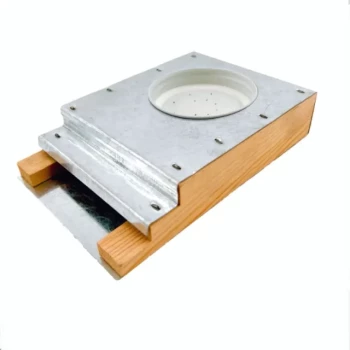
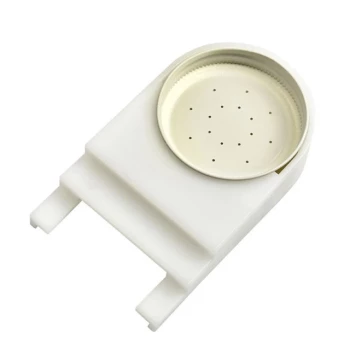
- HONESTBEE Entrance Bee Feeder Efficient Hive Front Liquid Feeding Solution for Beekeeping
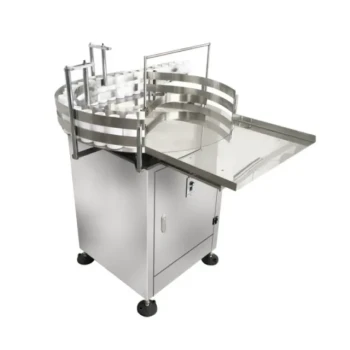
- Automated Rotary Bottle Unscrambler for Honey Production Line
- Professional Hive Top Bee Feeder for Beekeeping
- HONESTBEE Professional Hive Top Bee Feeder Feeding Solution
People Also Ask
- What can the round hive top feeder be used for? A Guide to Efficient, Safe Bee Feeding
- What types of hive boxes is the round hive top feeder compatible with? Universal Fit for 8 & 10-Frame Langstroth Hives
- What is the capacity of the round hive top feeder for syrup and pollen? A Guide to Targeted Apiary Support
- What types of feed can be used with the round hive top feeder? Versatile Feeding for Optimal Apiary Health
- What are the different types of top feeders for bees? Choosing the Best Feeder for Your Apiary