High-precision digital temperature and humidity sensors are the linchpin of modern pollination management because they provide the granular data necessary to track microclimate fluctuations that dictate pollinator behavior. By identifying critical heat stress thresholds—such as temperatures exceeding 30°C for stingless bees—these sensors allow operators to optimize pollination schedules and implement cooling strategies that maintain peak productivity and crop fruit set.
High-precision digital sensors transform environmental monitoring from reactive observation into a predictive tool, ensuring that bee colonies remain within the narrow physiological ranges required for efficient flight metabolism and effective pollination.
The Direct Link Between Microclimate and Pollination Yield
Tracking Foraging Frequency and Heat Stress
Bees are hyper-sensitive to their environment, with foraging frequency often showing a direct negative correlation with rising temperatures. High-precision sensors detect when temperatures approach critical thresholds, such as 30°C or 38°C, which can trigger heat stress and halt pollination activity.
Optimizing Greenhouse and Field Schedules
Real-time data allows for the scientific modulation of pollination schedules based on actual insect activity patterns. This precision ensures that cooling systems or hive deployments are activated exactly when needed to prevent a drop in crop yield.
Correlating Environment with Fruit Set
By analyzing the relationship between atmospheric data and flight metabolism, researchers can predict crop fruit set and final yields. These sensors provide the baseline data required to understand how climate fluctuations impact the economic output of an agricultural operation.
Advanced Technical Integration for Professional Monitoring
Factory-Calibrated Data Accuracy
Professional-grade digital sensors often feature built-in 8-bit microcontrollers that output factory-calibrated serial data. This eliminates the need for manual calibration in the field, providing immediate and reliable biological indicators of colony health.
Non-Invasive Health Inspections
Digital outputs facilitate automated data logging and remote alerting systems that notify managers of issues without disturbing the hive. This non-invasive approach prevents the stress associated with manual inspections, keeping the bees focused on foraging.
Wide Range and High Resolution
High-precision models offer a wide measurement range, typically spanning humidity from 0 to 100% and temperatures from -40 to 80°C. This resolution is critical for capturing the subtle internal hive changes (typically maintained between 34 and 35°C) that signal brood-rearing status or survival risks.
Understanding the Trade-offs and Maintenance Realities
Accuracy Drift in High-Humidity Environments
While these sensors are highly accurate, constant exposure to the high-humidity environments common in beehives can lead to accuracy drift over time. It is essential to treat sensors as replaceable consumables to maintain long-term data integrity.
Sensitivity of Electronic Components
The electronic components within these sensors can be sensitive to the same fluctuations they measure. Using them as a calibration baseline for other equipment, such as electronic scales, requires high-quality shielding and robust housing to ensure the data remains a "single source of truth."
Optimizing Your Sourcing Strategy for Precision Beekeeping
As a distributor or reseller, your goal is to provide a comprehensive solution that balances technical sophistication with operational reliability. Success in this sector depends on offering a full-spectrum product portfolio that can meet the diverse needs of commercial pollination services.
- If your primary focus is rapid deployment and ease of use: Prioritize sensors with factory-calibrated serial outputs that offer "plug-and-play" integration for your clients' existing monitoring systems.
- If your primary focus is long-term project reliability: Recommend modular sensor designs where the sensing element is an easily replaceable consumable to combat the effects of humidity-induced drift.
- If your primary focus is maximize agricultural yield: Focus on high-resolution units capable of detecting the minute 1°C shifts that indicate swarming fever or changes in brood-rearing activity.
Empowering your clients with high-precision digital sensors ensures they have the critical insights needed to safeguard pollinator health and maximize agricultural productivity.
Summary Table:
| Feature | Benefit for Pollination | Key Technical Metric |
|---|---|---|
| Microclimate Tracking | Prevents heat stress and foraging halts | Thresholds: 30°C to 38°C |
| Factory Calibration | Ensures data integrity without field manual setup | 8-bit digital serial output |
| High-Resolution Monitoring | Detects subtle 1°C shifts in brood-rearing | Range: -40 to 80°C / 0-100% RH |
| Non-Invasive Logging | Reduces colony stress by eliminating manual checks | Real-time remote alerting |
| Predictive Analysis | Correlates environmental data with fruit set | Optimized pollination schedules |
Scale Your B2B Success with HONESTBEE’s Precision Solutions
Are you looking to empower your clients with the latest in smart beekeeping technology? HONESTBEE is your premier partner for one-stop sourcing, catering specifically to distributors, wholesalers, and commercial apiaries. We offer a comprehensive, full-spectrum product portfolio—from high-precision digital sensors and hive-making machinery to honey-filling equipment and essential consumables.
Why partner with us?
- Maximize Profit Margins: Benefit from competitive wholesale pricing and OEM/ODM support tailored to your brand.
- Rapid Order Fulfillment: Our ultra-fast delivery and efficient logistics keep your inventory moving.
- Deep Industry Expertise: Leverage our professional technical support to provide superior service to your end customers.
Ready to upgrade your inventory with professional-grade beekeeping hardware and machinery? Contact us today to request a quote and explore our wholesale catalog!
References
- Kanyanat Wongsa, Atsalek Rattanawannee. Pollination efficacy of stingless bees, <i>Tetragonula pagdeni</i> Schwarz (<i>Apidae</i>: <i>Meliponini</i>), on greenhouse tomatoes (<i>Solanum lycopersicum</i> Linnaeus). DOI: 10.7717/peerj.15367
This article is also based on technical information from HonestBee Knowledge Base .
Related Products
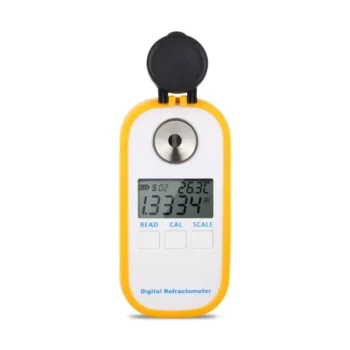
- Digital Honey Refractometer for Precision Measurement of Optimal Honey Quality
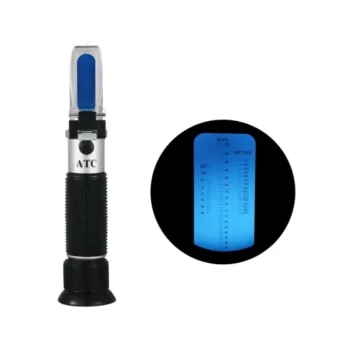
- Precision Honey Refractometer Instrument for Quality Assessment
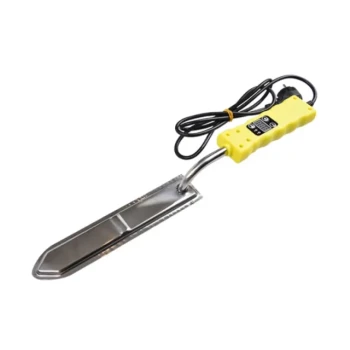
- Professional Electric Honey Uncapping Knife with Heated Digital Temperature Control for Beekeeping
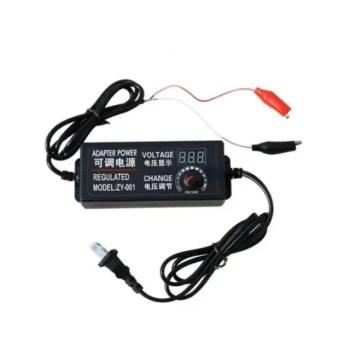
- HONESTBEE Adjustable Voltage Wire Embedder with Digital Display
People Also Ask
- What role do high-precision refractometers play in determining the maturity and quality of honey? Ensure Honey Purity.
- Do the color and viscosity of honey affect its refractometer reading? Mastering Moisture Measurement Accuracy
- What is a honey refractometer? The Essential Tool for Perfect Honey Quality
- What is the best way to store a honey refractometer? Preserve Accuracy and Extend Its Lifespan
- How is the reading taken from a honey refractometer? A Guide to Accurate Moisture Measurement