Color has absolutely no effect on a refractometer reading, but viscosity is intimately connected to the result. While the device does not measure "thickness" directly, the viscosity of honey is a physical manifestation of its water content—which is exactly what the tool is designed to quantify.
The refractometer uses light refraction to measure moisture content, a process completely independent of the honey's hue. However, because higher water content makes honey runnier, viscosity serves as a visible indicator of the very metric the device is measuring.
The Role of Color in Testing
Why Appearance is Irrelevant
The darkness or lightness of your honey implies nothing about its moisture level. A refractometer measures water content, a chemical property that exists independently of the pigments that color the honey.
The Function of Light
Whether testing a nearly clear acacia honey or a dark buckwheat honey, the light passes through the sample to measure density. The color itself does not obstruct or alter the angle of refraction required for an accurate reading.
Understanding Viscosity and Moisture
Viscosity as a Symptom
Viscosity describes how easily the honey flows. This physical trait is directly determined by the amount of water present in the sample.
The Inverse Relationship
There is a direct correlation: honey with high moisture content is less viscous and flows easily. Conversely, honey with low moisture is thick and resistant to flow.
What the Device Detects
When a refractometer reads a sample as "runny" (low viscosity), it is detecting the high percentage of water that caused that runniness. The device measures the moisture that causes the viscosity, rather than the viscosity itself.
How the Reading Actually Works
The Principle of Refraction
Honey refractometers work based on the refraction of light. As light enters the liquid, it changes direction (bends) based on the concentration of the liquid.
Solids vs. Speed
The refractive index changes based on the amount of solids, such as sugars, suspended in the honey. Light moves faster through honey with fewer solids (high water) and slower through honey with dense solids (low water).
Specific Scales
Unlike standard refractometers that measure Brix (percentage of solids), specific honey refractometers act in reverse. They provide a direct reading of the percentage of water, saving beekeepers the trouble of subtracting Brix from 100.
Common Pitfalls to Avoid
The Trap of Air Bubbles
While color is irrelevant, physical texture matters if it involves trapped air. Bubbles within a sample can significantly skew the refraction of light and lead to false readings.
Correcting the Sample
If you notice bubbles in your sample, gently move the daylight plate until they burst or slide out of the view. A clear, bubble-free layer is essential for accuracy.
Equipment Mismatches
Ensure your device is calibrated for honey specifically. Refractometers have many industrial uses, and using a device with the wrong scale will result in meaningless data.
Making the Right Choice for Your Goal
To ensure your honey harvest is shelf-stable and measured correctly, focus on the following:
- If your primary focus is accuracy: Always inspect the sample on the prism for air bubbles, as these physically disrupt the light path regardless of the honey's quality.
- If your primary focus is equipment selection: Verify that your refractometer is designed specifically for honey moisture (12-30% water range) rather than general Brix, to avoid manual calculations.
Trust the physics of the light, not the shade of the honey.
Summary Table:
| Factor | Affects Reading? | Relationship to Measurement |
|---|---|---|
| Honey Color | No | Light refraction ignores pigment; density remains the focus. |
| Viscosity | Indirectly | Lower viscosity indicates higher water content (thinner honey). |
| Air Bubbles | Yes | Distorts light path; must be removed for accurate results. |
| Solids (Sugar) | Yes | Higher sugar concentration slows light, increasing the refractive index. |
Precision Tools for Professional Apiaries
Maintaining honey quality is critical for commercial success. At HONESTBEE, we empower commercial apiaries and distributors with high-precision beekeeping tools and machinery. Whether you need specialized honey refractometers for accurate moisture testing or industrial honey-filling machines for your production line, we provide the full spectrum of wholesale equipment and consumables.
Our value to your business:
- Comprehensive Wholesale Range: From hive-making machinery to essential hardware.
- Quality Assurance: Tools designed for industrial durability and accuracy.
- Global Support: Dedicated service for large-scale operations and distributors.
Ensure your honey harvest meets global standards. Contact HONESTBEE today to source the professional equipment your operation deserves.
Related Products
- Digital Honey Refractometer for Precision Measurement of Optimal Honey Quality
- Precision Honey Refractometer Instrument for Quality Assessment
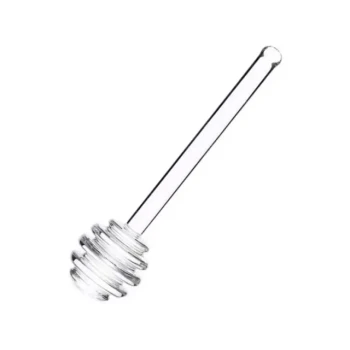
- Premium Heat-Resistant Glass Honey Dipper
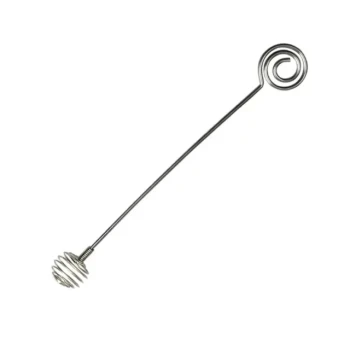
- Heavy Duty 304 Stainless Steel Honey Dipper
- Professional Honey Filter with Tripod Support Stand
People Also Ask
- What role do high-precision refractometers play in determining the maturity and quality of honey? Ensure Honey Purity.
- Why is a honey refractometer considered essential for commercial beekeepers? Ensure Honey Quality and Profitability
- What is the best way to store a honey refractometer? Preserve Accuracy and Extend Its Lifespan
- How do refractometers ensure technical precision when measuring honey moisture? Secure Quality and Prevent Fermentation
- How is the reading taken from a honey refractometer? A Guide to Accurate Moisture Measurement