The Roar of Success, The Whisper of Departure
You lift the lid on your strongest hive, and the sight is breathtaking. A dense, boiling mass of bees covers every frame. It feels like a triumph—a colony at the peak of its power.
But this peak is also a precipice.
In the world of bees, overwhelming success creates a psychological pressure. A colony doesn't "decide" to swarm in the human sense. It responds to a set of internal triggers that signal its home is no longer big enough for its ambition. Understanding this process isn't about fixing a problem; it's about interpreting a language.
The Psychology of Congestion
A swarm is the colony's natural method of reproduction. It's a sign of health, not failure. This instinct is triggered by one primary feeling: being crowded.
The Queen's Dead End
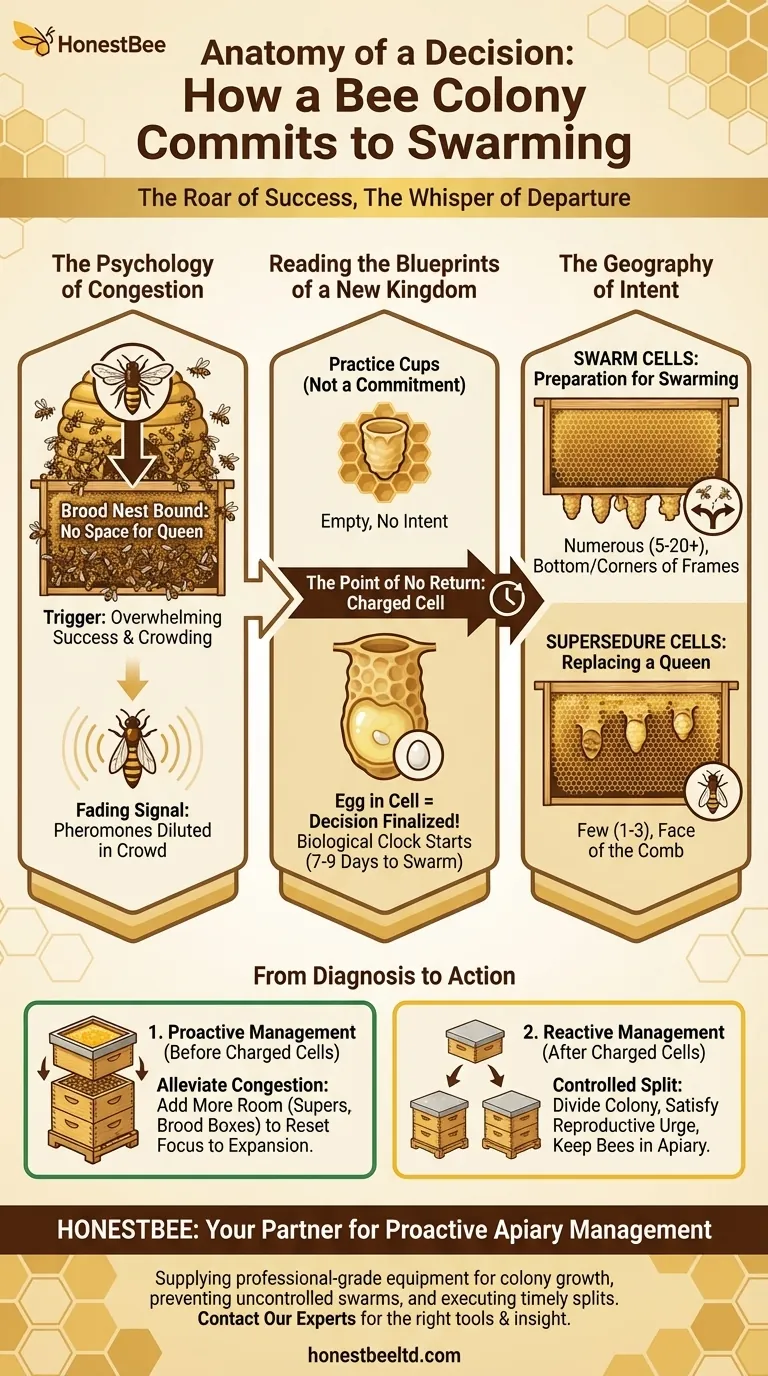
The queen bee is the heart of the hive, and her work is laying eggs. When a beekeeper inspects a frame and sees wall-to-wall capped brood, honey, and pollen with no empty, polished cells, it signals a crisis. The queen has run out of real estate. Her inability to lay slows the colony's growth engine and sends a powerful chemical signal that the current home has reached its maximum capacity. The hive is brood nest bound.
The Fading Signal
Simultaneously, the sheer density of bees weakens the queen's pheromonal control. Her chemical messages, which ensure social cohesion, become diluted in the crowd. Individual bees on the periphery no longer feel her direct influence, and the colony's singular identity begins to fray, making the idea of splitting into two entities biologically feasible.
Reading the Blueprints of a New Kingdom
When the pressure to swarm builds, the bees don't just leave. They are methodical engineers. They build the infrastructure for their succession, and these constructions are the beekeeper's most definitive clues.
From Practice Cups to Purposeful Cells
Worker bees build small, downward-facing wax cups—queen cups—year-round. These are like architectural sketches, empty and without intent. They are not a cause for alarm.
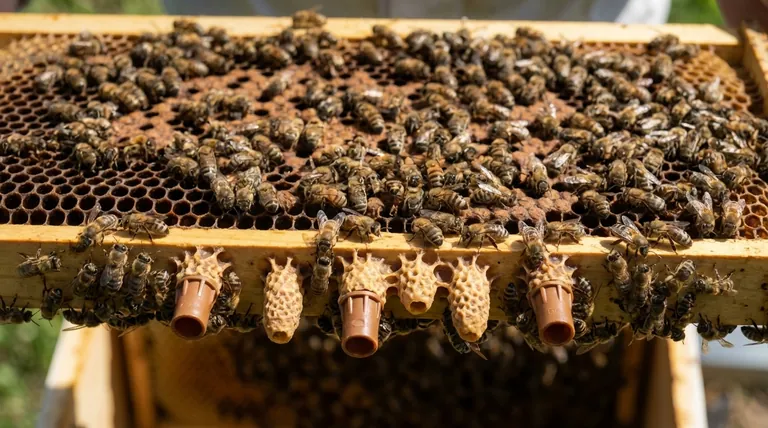
The signal of commitment is when the bees begin to elongate these cups into larger, peanut-shaped structures called queen cells. This is the blueprint being put into action.
The Point of No Return: An Egg in the Cell
The most critical sign—the moment the colony's decision is finalized—is the discovery of an egg or a tiny larva floating in a pool of royal jelly inside a queen cell. This is a "charged" queen cell.
The biological clock has started. Once a cell is charged, the old queen will likely depart with half the colony's population within 7-9 days, typically just before the new virgin queens emerge.
The Geography of Intent
The location of these cells provides further confirmation.
- Swarm Cells: Built in preparation for swarming. They are typically numerous (5-20+) and located along the bottom edges or in the corners of brood frames.
- Supersedure Cells: Built to replace a failing queen without swarming. They are few in number (1-3) and often located on the face of the comb.
Mistaking one for the other is a critical error. Removing supersedure cells can leave a colony hopelessly queenless, while ignoring swarm cells guarantees the loss of your workforce.
From Diagnosis to Action
A beekeeper's job is to read the story the bees are telling and respond appropriately. Your action depends entirely on what stage of the process you've identified.
1. Proactive Management: Alleviating Congestion
If you detect the early signs—a hive boiling with bees and a brood nest running out of space—before charged queen cells appear, you can often prevent the swarm. The solution is to relieve the psychological pressure by providing more room.
Adding a honey super or another brood box can give the queen space to lay and the workers a new project, resetting their focus from reproduction to expansion. This requires having high-quality, dependable hive bodies and frames ready to go.
2. Reactive Management: The Controlled Split
Once you find charged queen cells, the swarm impulse is irreversible. The colony is committed. Fighting it is pointless; the key is to manage it.
The best course of action is to perform a "split," intentionally dividing the colony yourself. This satisfies the bees' reproductive urge while keeping the bees in your apiary. A successful split relies on having extra hive equipment—bottom boards, boxes, lids, and frames—to create a new, viable home for the old queen and her followers.
For a commercial operation, having a ready supply of durable equipment for these precise interventions is not a luxury; it is the foundation of proactive apiary management. HONESTBEE supports large-scale apiaries and distributors by supplying the professional-grade beekeeping equipment needed to manage colony growth, prevent uncontrolled swarms, and execute timely splits.
By learning to read the subtle language of the hive, you can turn a moment of potential loss into an opportunity for growth. The right insight, paired with the right tools, is the key. If you're ready to equip your operation for success, Contact Our Experts.
Visual Guide
Related Products
- Brown Nicot Queen Cell Cups for Breeding Queen Bees Beekeeping
- Clear Black Plain Polystyrene Queen Bee Grafting Cell Cups No Lug for Bee Queen Cup
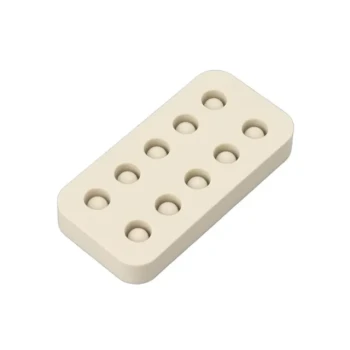
- 10-Cell Silicone Beeswax Bee Queen Cups Forming Mold
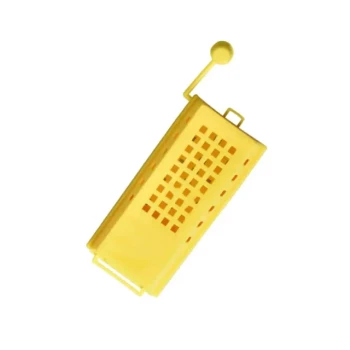
- Professional Queen Cage with Sliding Gate and Feeder Plug
- Portable Queen Bee Incubator with 12V Car Adapter for Safe Transport
Related Articles
- The Bottleneck in the Apiary: How Cell Cup Choice Dictates Queen Rearing at Scale
- How to Replace Queen Cells in Nucleus Hives Without Triggering Bee Drifting
- How to Successfully Introduce Queen Cells to Beehives: A Beekeeper’s Guide
- How to Raise Superior Queen Bees: The Science of Larval Selection and Care
- How to Rear Mite-Resistant Queen Bees: A Beekeeper’s Step-by-Step Guide