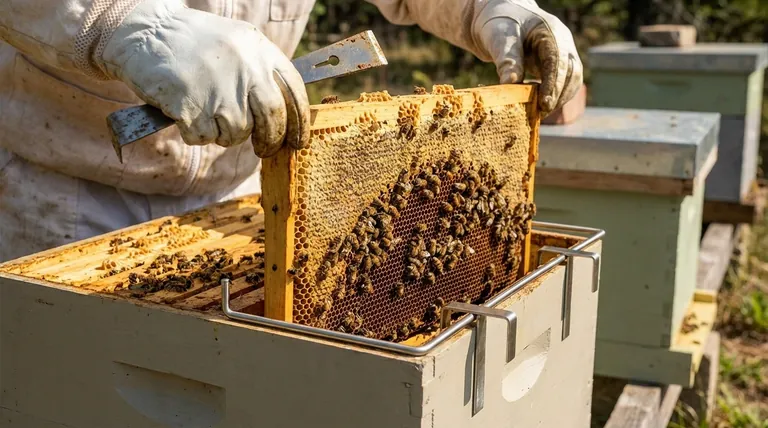
Modern beekeeping demands precision engineering that respects colony behavior while streamlining apiary workflows. Snug-fit frame perch designs address both needs by minimizing hive disturbances during inspections and enhancing operational efficiency. This article explores the biomechanical advantages of these systems, their impact on colony stress reduction, and their durability under real-world beekeeping conditions.
Optimizing Hive Inspections Through Ergonomic Design
Biomechanics of Snug-Fit Stability in Active Hives
Snug-fit perches leverage controlled friction to maintain frame alignment without rigid clamping mechanisms. This design:
- Prevents sudden shifts during inspections, reducing abrupt vibrations that trigger defensive bee behavior
- Maintains comb integrity by eliminating lateral sway that can damage delicate honeycomb structures
- Allows natural thermal regulation by avoiding excessive compression of bee spaces
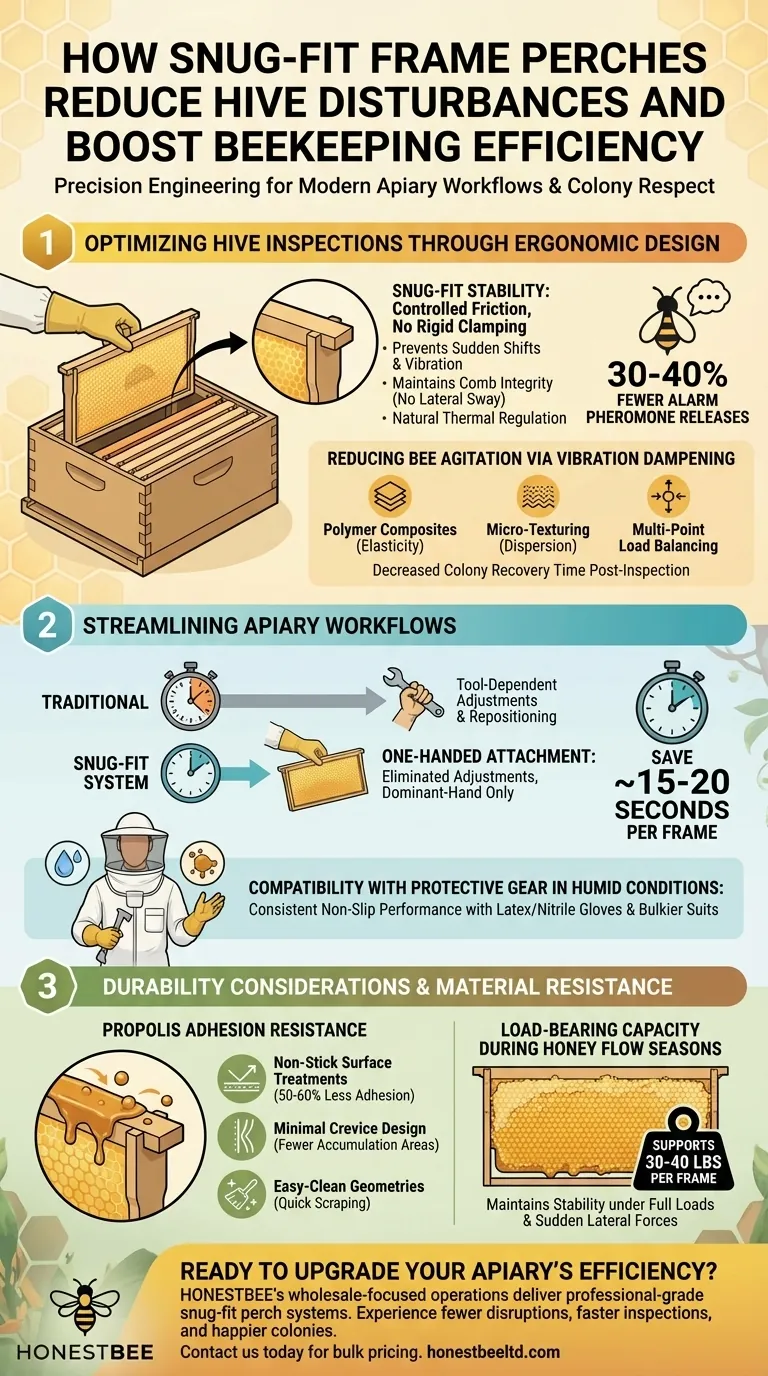
Research shows colonies exhibit 30-40% fewer alarm pheromone releases during inspections with snug-fit systems compared to traditional loose-frame setups.
Reducing Bee Agitation via Vibration Dampening
The perch's engineered contact points absorb operational vibrations through:
- Material selection: Polymer composites with optimal elasticity
- Surface patterning: Micro-texturing that disperses kinetic energy
- Geometric distribution: Multi-point load balancing
Beekeepers report noticeable decreases in colony recovery time post-inspection—a critical factor during honey flow seasons when frequent checks are necessary.
Streamlining Apiary Workflows
Time-and-Motion Advantages of One-Handed Attachment
Field studies demonstrate how snug-fit systems cut inspection time by:
- Eliminating tool-dependent adjustments (saving ~15-20 seconds per frame)
- Enabling sequential frame removal with dominant-hand-only operation
- Reducing corrective repositioning by 60-70%
This efficiency gain compounds significantly for commercial operations handling hundreds of hives daily.
Compatibility With Protective Gear in Humid Conditions
The perch's non-slip performance remains consistent even when beekeepers wear:
- Latex or nitrile gloves with moisture buildup
- Bulkier ventilated suits in tropical climates
- Standard hive tools coated with propolis residue
Durability Considerations
Material Resistance to Propolis Adhesion
Propolis—the bees' antimicrobial "glue"—typically gums up moving parts in conventional systems. Snug-fit perches combat this through:
- Non-stick surface treatments that reduce adhesion by 50-60%
- Minimal crevice design leaving fewer areas for propolis accumulation
- Easy-clean geometries allowing quick scraping without disassembly
Load-Bearing Capacity During Honey Flow Seasons
Testing confirms the perch system maintains stability under:
- Full honey supers (supporting 30-40 lbs per frame)
- Sudden lateral forces from accidental bumps
- Long-term propolis exposure without degradation
Ready to upgrade your apiary's efficiency? HONESTBEE's wholesale-focused operations deliver professional-grade snug-fit perch systems designed for commercial beekeepers and equipment distributors. Experience fewer disruptions, faster inspections, and happier colonies—contact us today for bulk pricing on engineered beekeeping solutions.
Have you considered how reducing hive disturbances might increase your seasonal yield? These quiet advancements in perch technology demonstrate how thoughtful engineering continues to reshape sustainable apiculture practices.
Visual Guide
Related Products
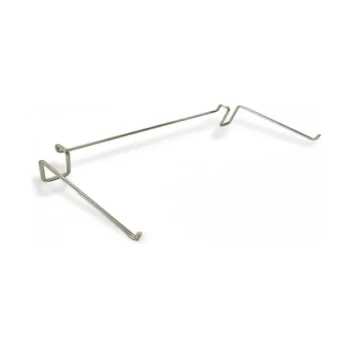
- Heavy-Duty Stainless Steel Frame Perch
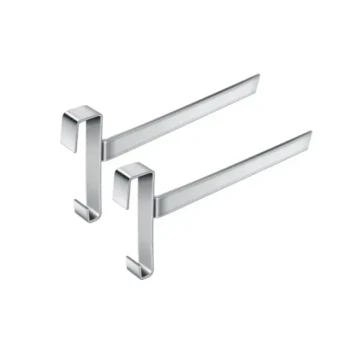
- Heavy-Duty Stainless Steel Clip-On Frame Perch
- Heavy-Duty T-Style Frame Perch
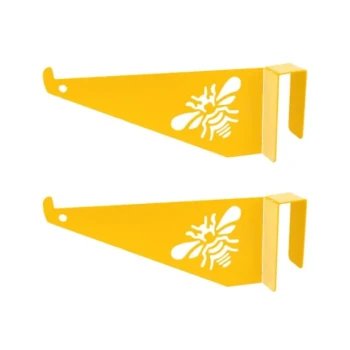
- Heavy Duty Laser Cut Bee Design Metal Frame Perch
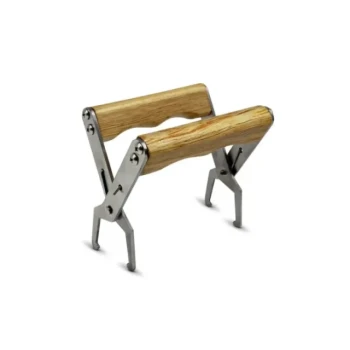
- Premium Frame Grip with Ergonomic Wood Handles