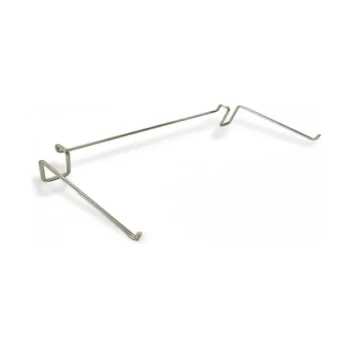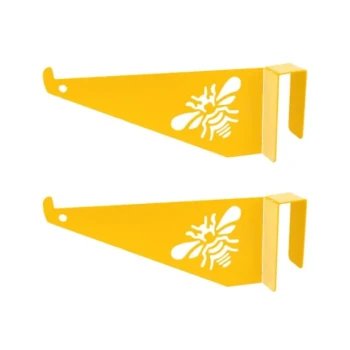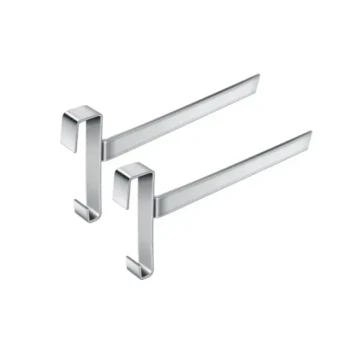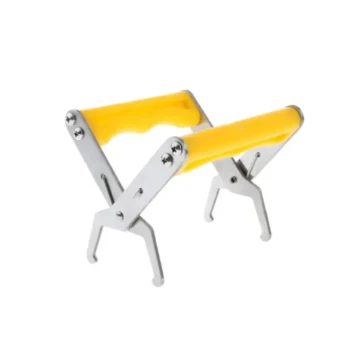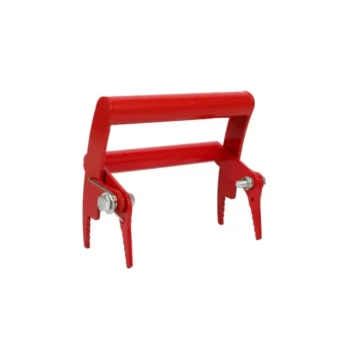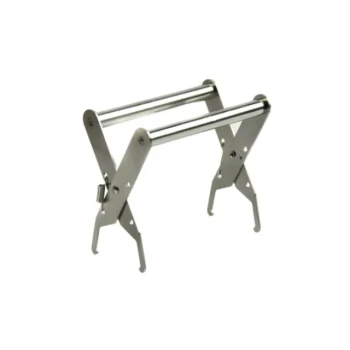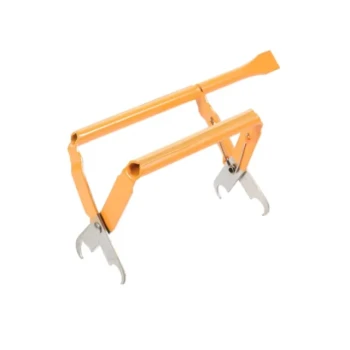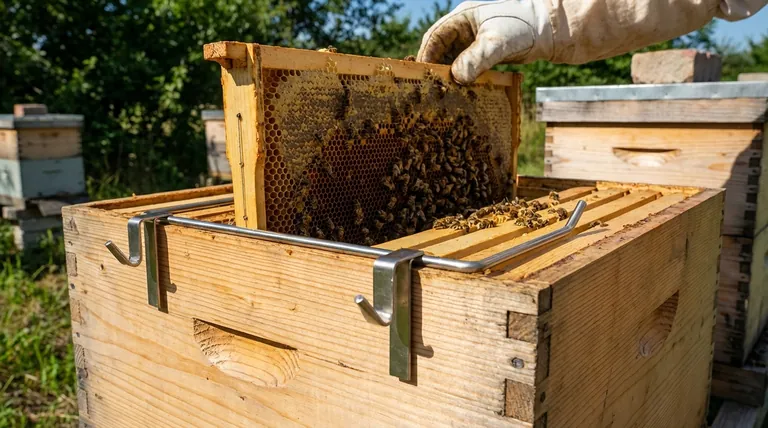
A stable frame perch isn’t just a convenience—it’s a critical tool that safeguards both beekeepers and colonies during hive inspections. By eliminating wobbling and slippage, well-designed perches reduce stress on bees, minimize frame damage, and streamline inspections. Here’s how engineering precision in perch design translates to tangible benefits for commercial apiaries.
The Critical Role of Stability in Beekeeping Equipment
Beekeeping equipment must balance durability with precision. The frame perch exemplifies this: its snug fit over the hive body edge ensures beekeepers can inspect frames without disruptive movement. Research shows that unstable perches force beekeepers to compensate for wobbling, increasing the risk of:
- Crushed bees from sudden shifts
- Frame damage due to uneven weight distribution
- Prolonged inspections, elevating colony stress
How Unstable Perches Risk Colony Health and Beekeeper Safety
Unstable perches create a domino effect of problems:
- Bee agitation: Jarred movements disrupt the colony, triggering defensive behavior.
- Ergonomic strain: Beekeepers adopt awkward postures to stabilize frames, risking long-term injury.
- Data inaccuracy: Shaky inspections make it harder to assess brood patterns or disease signs.
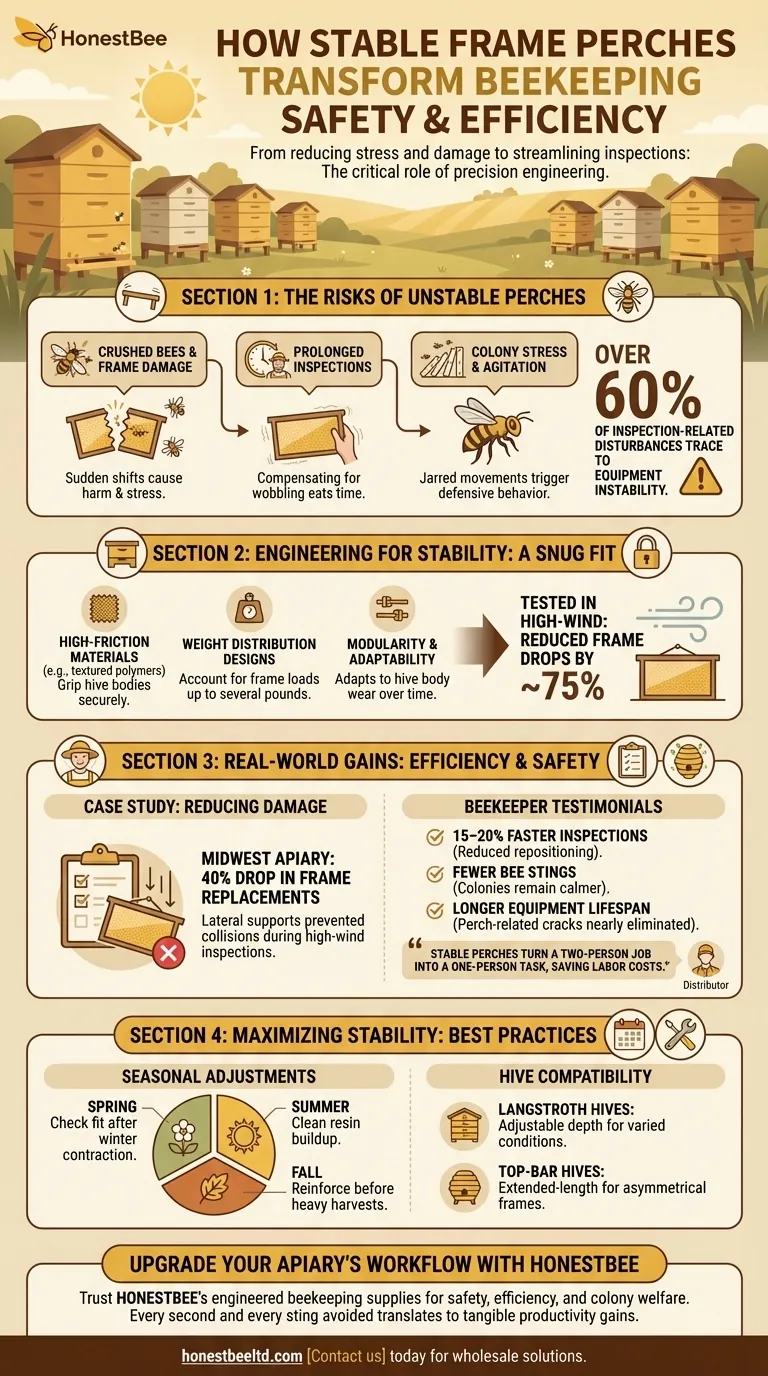
A study of commercial apiaries noted that over 60% of inspection-related bee disturbances trace back to equipment instability.
Engineering a Snug Fit: Materials and Mechanisms Behind Frame Perch Stability
The best frame perches use:
- High-friction materials (e.g., textured polymers) to grip hive bodies securely.
- Weight distribution designs that account for frame loads up to several pounds.
- Modularity to adapt to hive body wear over time.
For example, one design tested in high-wind conditions reduced frame drops by approximately 75% compared to traditional metal hooks.
Real-World Applications of Stable Frame Perches
Case Study: Reducing Frame Damage During High-Wind Inspections
A Midwest apiary recorded a 40% drop in frame replacements after switching to stable perches. The key factor? Perches with lateral supports prevented frames from colliding during gusty conditions—a common issue in open-field beekeeping.
Beekeeper Testimonials: Efficiency Gains from Reliable Equipment
Commercial beekeepers report:
- 15–20% faster inspections due to reduced repositioning.
- Fewer bee stings during inspections, as colonies remain calmer.
- Longer equipment lifespan, with perch-related frame cracks nearly eliminated.
One distributor noted, "Stable perches turn a two-person job into a one-person task, saving labor costs."
Best Practices for Maximizing Frame Perch Stability
Seasonal Adjustments for Hive Body Wear and Tear
- Spring: Check perch fit after winter hive contraction.
- Summer: Clean resin buildup that may reduce friction.
- Fall: Reinforce perches before heavy honey harvests.
Compatibility with Different Hive Types
- Langstroth hives: Opt for perches with adjustable depth to accommodate varied box conditions.
- Top-bar hives: Seek extended-length perches to stabilize asymmetrical frames.
Upgrade Your Apiary’s Workflow with HONESTBEE
Commercial beekeepers and distributors trust HONESTBEE’s beekeeping supplies for equipment that blends innovation with reliability. Our frame perches are engineered to enhance safety, efficiency, and colony welfare—helping you focus on what matters: healthy bees and thriving operations. [Contact us] today to explore wholesale solutions tailored to large-scale beekeeping needs.
Technologies like the humble frame perch quietly redefine modern beekeeping—where every second and every sting avoided translates to tangible productivity gains.
Visual Guide
Related Products
- Heavy-Duty Stainless Steel Frame Perch
- Heavy-Duty Stainless Steel Clip-On Frame Perch
- Heavy Duty Laser Cut Bee Design Metal Frame Perch
- Heavy-Duty T-Style Frame Perch
- Yellow Plastic Bucket Pail Perch for Beekeeping
Related Articles
- How Frame Perches Transform Hive Inspections: Efficiency, Safety, and Hive Health
- How Frame Perches Transform Beekeeping Efficiency and Colony Health
- Order from Chaos: The Deliberate Design of the Beekeeping Frame Perch
- How Snug-Fit Frame Perches Reduce Hive Disturbances and Boost Beekeeping Efficiency