All Questions
How Should Beekeeping Attire Be Maintained? Extend Gear Life & Maximize Protection
Learn the proper steps to clean, dry, and inspect your beekeeping suit, veil, and gloves to ensure long-lasting sting protection and gear integrity.
What Additional Accessory Can Help Prevent Bees From Entering Your Pants While Beekeeping? Secure Your Ankles For Sting-Free Beekeeping
Discover the most effective accessory to seal your pant legs and prevent bees from entering. Learn why boot bands are essential for safe beekeeping.
What Should Be Considered When Selecting A Beekeeping Suit? Find The Perfect Balance Of Protection & Comfort
Learn how to choose a beekeeping suit by evaluating material, ventilation, and protective features for your climate and beekeeping activities.
What Are The Essential Components Of A Beekeeper's Attire? Build Your Complete Protective System
Learn about the essential beekeeping attire components: the protective veil, full-body suit, specialized gloves, and boots for maximum safety and confidence.
What Are The Benefits Of Wearing Protective Clothing In Beekeeping? Ensure Safety & Boost Hive Productivity
Discover how beekeeping protective clothing prevents stings, maintains hive hygiene, and enables calm, focused work for better apiary management.
Why Is Protective Clothing Important In Beekeeping? Essential Safety For Beekeepers
Discover why protective clothing is vital for beekeeping safety, preventing stings, building confidence, and ensuring hive hygiene.
What Should Beekeepers Consider When Choosing Protective Gear? A Guide For Maximum Safety & Comfort
Learn how to choose the right beekeeping protective gear. Compare veils, suits, jackets, and gloves for beginners and experts.
What Are The Pros And Cons Of Wearing A Full Suit For Beekeeping? Maximize Safety & Comfort
Full beekeeping suit pros and cons: complete sting protection vs. heat retention. A guide for commercial apiaries and distributors.
What Are The Common Types Of Protective Clothing Used In Beekeeping? Stay Safe And Confident At The Hive
Explore the essential types of beekeeping protective gear, from full suits to veils and gloves, to ensure safe and effective hive management.
What Features Are Important In A High-Quality Beekeeping Suit? Maximize Protection & Comfort
Learn the key features of a top beekeeping suit: ventilated mesh for breathability, secure elastic seals, and an integrated veil for safety.
What Are The Key Considerations For Selecting A Beekeeping Suit? Balance Protection, Comfort & Safety
Learn how to choose the right beekeeping suit: material, ventilation, fit, and durability. Essential for commercial apiaries and distributors.
How Do Well-Designed Pockets Improve The Functionality Of A Beekeeping Suit? Enhance Efficiency And Safety
Discover how strategically placed, secure pockets in beekeeping suits boost efficiency, safety, and comfort during hive inspections.
What Should Be Considered For The Ease Of Maintenance In A Beekeeping Suit? Essential Features For Longevity & Safety
Discover key features for easy beekeeping suit maintenance, including machine-washable fabrics and detachable components to protect your investment and bee colonies.
Why Is A Comfortable Fit Important In A Beekeeping Suit? The Key To Safety And Performance
Discover why a comfortable beekeeping suit is a critical safety feature that prevents stings, reduces stress, and improves hive management effectiveness.
How Does A Ventilated Suit Balance Sting Protection And Comfort? The Science Of Cool, Safe Beekeeping
Discover how ventilated bee suits use multi-layer mesh to block stings while allowing airflow for superior comfort in hot climates.
What Features Should Be Considered For Sting Protection In A Beekeeping Suit? Ensure Total Safety And Comfort
Discover the key features for sting-proof beekeeping suits: fabric layering, secure zippers, elastic cuffs, and durable veils for maximum protection.
What Are The Benefits Of Breathable Fabrics In Beekeeping Suits? Enhance Safety And Comfort
Discover how breathable fabrics in beekeeping suits improve air circulation, prevent heat stress, and enhance focus for safer hive management.
What Are The Benefits Of Elasticized Cuffs And Ankles In Beekeeping Suits? Ensure Total Protection & Comfort
Discover how elasticized cuffs and ankles prevent bee stings, improve fit, and integrate with gloves and boots for safer beekeeping.
What Are The Advantages Of Reinforced Stitching And Durable Zippers In Beekeeping Suits? Ensure Maximum Safety & Longevity
Discover how reinforced seams and heavy-duty zippers prevent suit breaches, offering reliable sting protection for commercial and hobbyist beekeepers.
What Features Enhance Ventilation In Beekeeping Suits? Maximize Comfort With Strategic Mesh Panels
Discover how mesh panels and breathable fabrics in beekeeping suits enhance ventilation, prevent overheating, and improve comfort during hive work.
What Factors Should Be Considered When Choosing A Beekeeping Suit? Balance Safety, Comfort & Performance
Key factors for choosing a beekeeping suit: sting protection, material for your climate, and fit for mobility. Make a confident investment.
What Are The Standout Features Of The Bee Suit Ultra Ventilated 3 Layer Beekeeping Suit? Maximum Safety & Coolness In Hot Weather
Discover the Ultra Ventilated Bee Suit's 3-layer mesh for superior sting protection & cooling. Ideal for commercial beekeepers in hot climates.
What Is Recommended For Beginners In Beekeeping Regarding Protective Clothing? A Complete Safety Guide For New Beekeepers
Discover essential beekeeping protective gear for beginners, including bee suits, veils, and gloves, to ensure safety and build confidence with your hives.
What Should Be Considered When Cleaning Beekeeping Protective Clothing? Protect Your Gear And Your Safety
Learn the correct way to clean bee suits, veils, and gloves to maintain their protective barrier, ensure clear visibility, and extend their lifespan.
What Should Be Considered Regarding The Color Of Beekeeping Clothing? Ensure Your Safety And Keep Bees Calm
Learn why white beekeeping suits are the standard for safety, comfort, and preventing bee aggression. Essential tips for beekeepers.
What Are The Advantages Of Ventilated Beekeeping Clothing? Stay Cool & Protected In Hot Weather
Discover how ventilated beekeeping suits use multi-layer mesh to provide superior airflow and cooling, preventing overheating while maintaining sting protection.
What Are The Differences Between A Bee Suit And A Bee Jacket? Find Your Perfect Fit For Safety & Convenience
Learn the key differences between bee suits and jackets, including coverage, protection level, and when to use each for optimal beekeeping safety.
What Factors Should Be Considered When Purchasing A Beekeeping Suit Or Jacket? Your Guide To Safety And Comfort
Learn how to choose the right beekeeping suit or jacket by evaluating protection level, material, ventilation, and fit for optimal safety and comfort.
What Is The Difference Between A Beekeeping Suit And A Jacket? Choose The Right Protection For Your Apiary
Beekeeping suit vs. jacket: Learn the key differences in coverage, protection, and convenience to choose the right gear for your experience level.
Why Is It Important For New Beekeepers To Wear Protective Gear? Build Confidence And Safety
Learn why protective gear is essential for new beekeepers to build confidence, focus on bee behavior, and manage sting risks safely.
What Are The Key Components Of Beekeeping Protective Clothing? A Complete Guide To Safety
Learn the essential components of beekeeping protective gear: the veil, suit, gloves, and footwear. Stay safe and confident while working with your hives.
Why Are Bee Suits Important For Beekeeping? Achieve Safe & Confident Hive Management
Discover why bee suits are essential for beekeeping safety. Learn how protective gear prevents stings and enables calm, focused hive inspections.
Are There Eco-Friendly And Sustainable Bee Suits Available? Protect Your Bees And The Planet
Discover sustainable bee suits made from organic cotton, recycled materials, and ethical production. Learn how durability reduces environmental impact.
What Is The Difference Between Beginner And Professional Bee Suits? Choose The Right Protection For Your Apiary
Learn the key differences between beginner and professional bee suits, from material and ventilation to durability, to ensure safety and comfort in the apiary.
What Are Common Mistakes To Avoid When Using A Bee Suit? Ensure Your Safety With Proper Fit And Inspection
Learn the top bee suit mistakes like wrong fit and poor inspection that lead to stings. Essential safety tips for beekeepers.
What Are The Steps For Using A Bee Suit Correctly? Ensure Complete Protection For Your Apiary
Learn the essential steps to properly wear a bee suit, from pre-inspection to sealing all closures, for maximum sting resistance and safety.
Do Gloves Need To Be Worn With A Bee Suit? Essential Protection For Beekeepers
Learn why gloves are critical for beekeeping safety, balancing sting protection with dexterity for hive inspections and bee handling.
Can Children Wear Bee Suits? Equip Kids For Safe & Educational Beekeeping
Yes, children can wear bee suits. Discover the importance of child-specific suits for safety, confidence, and a positive introduction to beekeeping.
Are Bee Suits One-Size-Fits-All? Why Proper Sizing Is Critical For Beekeeper Safety
Discover why bee suits are not one-size-fits-all and how choosing the right size and style is essential for safety, comfort, and effective beekeeping.
How Long Does A Bee Suit Typically Last? Maximize Your Investment With Proper Care
Learn how material quality, frequency of use, and proper maintenance determine a bee suit's lifespan, from 5-10+ years for hobbyists to daily use for professionals.
Can A Bee Sting Through A Bee Suit? Understanding Sting-Resistant Protection
Learn how bee suits work, their limitations, and best practices to maximize your safety and minimize stings while beekeeping.
How Should A Bee Suit Be Cleaned? Protect Your Investment And Ensure Apiary Safety
Learn the correct way to clean a bee suit to remove alarm pheromones, prevent disease spread, and extend the life of your protective gear.
What Are Some Popular Designs And Variations Of Bee Suits? Choose The Right Protection For Your Apiary
Explore popular bee suit designs: full suits for maximum protection, jackets for convenience, and ventilated suits for hot climates.
How Does A Bee Suit Balance Protection And Comfort? Engineered For Maximum Safety And Cooling
Discover how modern bee suits use multi-layer, ventilated mesh to create a protective air gap against stings while ensuring cooling airflow for comfort.
What Factors Should Be Considered When Choosing A Bee Suit? Ensure Maximum Protection And Comfort
Learn how to choose the right bee suit by balancing material, fit, veil quality, and entry point security for optimal beekeeping safety.
Why Is A Bee Suit Necessary For Beekeeping? Essential Protection For Confident Hive Management
A bee suit is essential for beekeeping safety, preventing stings, reducing allergic reactions, and fostering the calmness needed for effective hive inspections.
What Are The Key Components Of A Bee Suit? Build A Complete Bee-Proof Barrier For Your Apiary
Discover the essential parts of a bee suit, including the veil, coverall, gloves, and sealing features, for maximum safety and comfort in beekeeping.
What Is The Primary Purpose Of A Bee Suit? Essential Protection For Beekeepers
Discover the core function of a bee suit: full-body sting protection for safe hive inspections, maintenance, and honey harvesting.
What Are The Benefits Of Using White Bee Suits? Stay Cool And Keep Bees Calm
Discover why white bee suits are the industry standard for beekeeping. Learn how they reduce bee aggression, regulate temperature, and improve safety.
Why Is White The Predominant Color In Bee Suit Designs? | Key To Hive Calm & Beekeeper Safety
Learn why white bee suits are essential for calming bees, reflecting heat, and maintaining hive hygiene. The science behind the standard.
What Is The Essential Role Of Bee Suits In Beekeeping? Achieve Safe And Confident Hive Management
Learn how bee suits provide essential sting protection, enabling calm beekeeping by understanding bee behavior and choosing the right gear.
What Features Are Important In A Bee Suit For Hive Work? Essential Protection & Comfort For Beekeepers
Discover the key features of a bee suit for hive work: sting-proof fabric, secure closures, ventilation, and a clear-view veil for safe, comfortable beekeeping.
What Should Be Considered When Choosing A Bee Suit? Key Factors For Maximum Protection & Comfort
Learn how to choose a bee suit based on material, fit, and ventilation for superior sting protection and comfort in any climate.
What Are The Advantages Of White Bee Suits? Stay Cool And Keep Bees Calm
Discover why white bee suits are the industry standard. Learn how they reduce heat stress, minimize bee agitation, and enhance beekeeper comfort and safety.
How Do White Bee Suits Benefit Bees? Keep Your Hive Calm And Productive
Discover why white bee suits reduce bee stress by avoiding predatory threats, leading to calmer hives and safer inspections.
How Do White Bee Suits Benefit Beekeepers? Stay Cool And Safe With Optimal Hive Management
Discover why white bee suits are essential for heat reflection, reducing bee aggression, and enhancing visibility for safer, more efficient beekeeping.
Why Are Most Beekeeping Suits White? A Guide To Safer, Cooler Hive Management
Learn why white beekeeping suits are critical for safety, from calming bees to temperature regulation. Essential knowledge for all beekeepers.
Why Do Beekeepers Often Wear White Clothing? The Science Behind Bee Calm And Keeper Safety
Discover why white beekeeping suits calm bees, reflect heat, and enhance safety. Essential knowledge for beekeepers and apiary managers.
What Should Be Worn Under Beekeeping Protective Clothing? Maximize Your Safety With The Right Base Layer
Learn the best clothing to wear under a bee suit for maximum sting protection. Essential guide for commercial beekeepers and distributors.
Do Beekeeping Suits Completely Prevent Stings? Maximize Your Apiary Safety With The Right Gear
Learn how beekeeping suits reduce sting risk and the key factors for maximum protection. Essential reading for commercial beekeepers and distributors.
What Are The Differences Between A Full Beekeeping Suit And A Partial Beekeeping Suit? Choose The Right Protection For Your Apiary
Full vs. partial beekeeping suits: understand the trade-offs between maximum protection and comfort for beekeepers of all experience levels.
What Should Be Considered When Fitting Beekeeping Clothing? The Essential Guide To Safety & Comfort
Learn how to properly fit a beekeeping suit for maximum sting protection, full mobility, and sealed entry points to ensure safe apiary work.
What Are The Benefits Of A Fully Ventilated Beekeeping Suit? Stay Cool And Protected In Hot Climates
Discover how a fully ventilated beekeeping suit provides superior airflow, reduces heat stress, and enhances protection for commercial beekeepers.
What Are The Key Features To Look For In Beekeeping Clothing? Ensure Maximum Safety & Comfort
Essential guide to choosing beekeeping suits & veils. Learn about protective materials, secure closures, ventilation, and key safety features.
When Should A Beekeeper Wear A Beekeeping Suit? A Guide For Safety And Confidence
Learn when to wear a beekeeping suit based on experience, hive temperament, and task type to ensure safety and effective hive management.
What Are The Different Types Of Protective Clothing For Beekeepers? Choose Your Defense For Calm, Confident Work
Explore beekeeping protective gear: veils, suits, jackets & gloves. Learn the trade-offs between safety, comfort & dexterity for your apiary.
What Are The Benefits Of Beekeeping Jackets? Achieve Optimal Protection And Comfort For Hive Inspections
Discover the key benefits of beekeeping jackets, including reliable sting protection, enhanced comfort, and unmatched convenience for apiary work.
What Are The Features Of A Standard Bee Suit? Essential Protection For Beekeepers
Discover the key features of a bee suit, including the integrated veil, secure closures, and durable fabric blends for complete sting protection.
How Do Ventilated Bee Suits Improve Comfort? Beat The Heat With Superior Airflow Design
Discover how ventilated bee suits use multi-layer mesh fabric to provide superior cooling, sweat-wicking, and sting protection for beekeepers.
What Are The Features Of Children’s Bee Suits? Ensuring Complete Safety For Young Beekeepers
Discover the essential features of children's bee suits, including sting-resistant materials, secure veil attachments, and proper sizing for optimal protection.
What Types Of Beekeeping Suits Are Available? Choose The Right Protection For Your Apiary
Explore full suits, jackets, and ventilated options. Find the ideal beekeeping suit for your climate, experience level, and comfort needs.
What Is The Purpose Of Beekeeping Protective Clothing? Essential Safety Gear For Confident Beekeeping
Discover how beekeeping protective clothing acts as a critical barrier against stings, enabling safe and focused hive management for beekeepers.
Why Is It Important For Beekeepers To Wear Protective Clothing? Ensure Safety & Confidence
Discover the critical role of beekeeping protective gear in preventing stings, enabling calm handling, and managing risk for both beginners and pros.
What Is A Bee Jacket And How Does It Differ From A Full Beekeeping Suit? Choose The Right Protection For Your Apiary
Learn the key differences between bee jackets and full suits: coverage, convenience, and safety. Make the right choice for your beekeeping needs.
What Is A Beekeeping Suit And Why Is It Important? Essential Protection For Beekeepers
Discover the vital role of a beekeeping suit in protecting against stings and enabling confident hive management. Learn about its key features and benefits.
What Are The Main Types Of Protective Clothing Worn By Beekeepers? Choose The Right Gear For Maximum Safety
Explore the main types of beekeeper protective clothing: full suits, jackets, veils, and gloves. Learn how to choose gear for safety and comfort.
Why Is It Important To Choose Protective Clothing With Some Freedom To Move Around? For Unrestricted Safety & Efficiency
Learn why protective beekeeping suit mobility is vital for safety, preventing overheating, and ensuring effective work without clumsy movements.
What Are The Features Of A Good Bee Suit? Ensure Complete Protection And Comfort For Beekeepers
Discover the essential features of a quality bee suit, including full-body coverage, secure closures, breathable materials, and the right fit for your climate and experience level.
Why Is Ventilated Clothing Recommended For Beekeeping In Summer? Stay Cool And Protected For Better Hive Inspections
Discover how ventilated beekeeping suits prevent heat stress, reduce fatigue, and improve hive inspection quality during hot summer months.
What Are The Key Features Of A Good Beekeeping Jacket? Unlock Confidence And Comfort At The Hive
Discover the essential features of a quality beekeeping jacket: sealed protection, ventilation, and secure veil integration for calm, effective hive management.
What Precautions Should Inexperienced Individuals Take When Handling Bees? A Guide To Safe And Confident Beekeeping
Essential bee handling precautions for beginners. Learn key safety steps for preparation, protective gear, and calm techniques to ensure a safe experience.
What Items Are Included With The Beekeeping Suit? Your Complete Guide To Essential Protective Gear
A standard beekeeping suit includes full-body overalls, an integrated hooded veil, and protective gloves for complete head-to-ankle coverage.
How Does The 3-Layer Mesh Improve Comfort In Beekeeping Suits? Beat The Heat With Superior Ventilation
Discover how 3-layer mesh beekeeping suits provide maximum airflow and sting protection to keep you cool and safe in hot apiary conditions.
What Are The Key Features Of The 3-Layer Mesh Gear Designed For Beekeeping? Superior Protection & Ventilation
Discover the key features of 3-layer mesh beekeeping gear: sting prevention, exceptional breathability, and lightweight design for comfort.
How Can Beekeepers Reduce The Likelihood Of Getting Stung? Master Gentle Handling & Protective Gear
Learn how to prevent bee stings with gentle genetics, proper smoker use, and calm handling techniques for safer beekeeping.
What Clothing Is Recommended For Working With Bees? Stay Safe And Confident With A Full Bee Suit
Learn why a full, ventilated bee suit in light colors is essential for beekeeping safety. Discover the best materials and gear to prevent stings.
What Protective Gear Do Beekeepers Use During Hive Inspections? Essential Gear For Safe & Confident Beekeeping
Discover the essential protective gear for beekeepers: bee veils, suits, gloves, and footwear. Learn how to balance protection, dexterity, and comfort for safe hive inspections.
What Is The Recommended Maintenance For Beekeeping Protective Clothing? Extend Gear Life & Safety
Learn essential beekeeping suit maintenance, including inspection, washing methods for suits, gloves, and veils, and proper storage to prevent stings.
Do Beekeepers Get Stung Through A Bee Suit? Maximize Your Protection With The Right Gear
Learn why stings can happen through a bee suit and the key strategies for maximizing your safety during hive inspections.
Do You Get Stung While Beekeeping? The Inevitable Reality & How To Manage It
Learn why beekeepers get stung, how protective gear minimizes risk, and practical steps to manage stings effectively for confident beekeeping.
Can I Be A Beekeeper If I'm Allergic To Bees? A Safety-First Guide For Allergic Beekeepers
Learn how to manage beekeeping with a bee sting allergy. Essential safety protocols, gear advice, and medical guidance for allergic beekeepers.
How Do Professional Beekeepers Not Get Stung? Master Bee Behavior & Proactive Techniques
Learn how professional beekeepers avoid stings through bee behavior understanding, proper tools like smokers, and strategic hive management techniques.
Do Bee Suits Work Against Wasps? Understand The Limits Of Your Protection
Bee suits offer wasp-resistant protection, but learn the critical differences in stinger anatomy and suit features needed for true safety.
How Do Beekeepers Not Get Stung? Master Bee Behavior & Protective Gear
Learn how beekeepers use protective suits, smokers, and gentle handling techniques to minimize stings. Essential tips for safe hive management.
Can You Harvest Honey Without A Suit? The Truth About Beekeeping Risks
Learn why harvesting honey without a bee suit is a high-risk practice for experts only, and why proper gear is essential for safety.
How Do Beekeepers Collect Honey Without Getting Stung? Master The Art Of A Safe Harvest
Learn the expert techniques and essential equipment for a safe honey harvest. Discover how smoker use, bee escapes, and gentle handling prevent stings.
Related Products
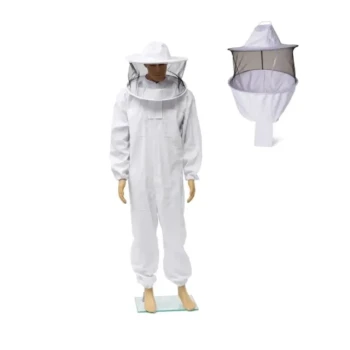
Professional Cotton Beekeeper Suit with Round Veil Design for Commercial Apiaries

Professional Beekeeping Suit for Kids and Girls Childrens Bee Keeper Suit

Three-Layer Ventilated Beekeeper Suit with Structured Fencing Veil
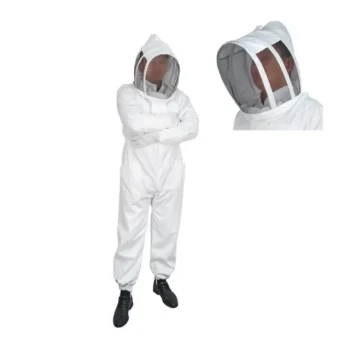
Premium Cotton Beekeeper Suit with Reinforced Fencing Veil
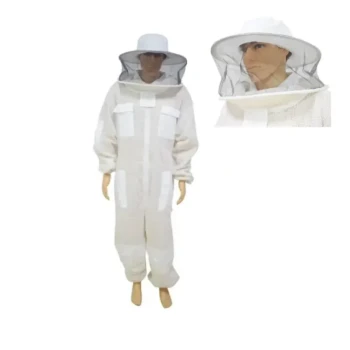
Premium Three Layer Ventilated Bee Suit with Round Veil
