Yes, children can and should wear bee suits. Specially designed and sized bee suits are widely available for children, providing the necessary protection to safely introduce them to the world of beekeeping without the risk of stings.
The core issue isn't just about finding a bee suit that fits a child; it's about using the right protective equipment to transform a potentially hazardous activity into a safe, confident, and deeply educational experience.
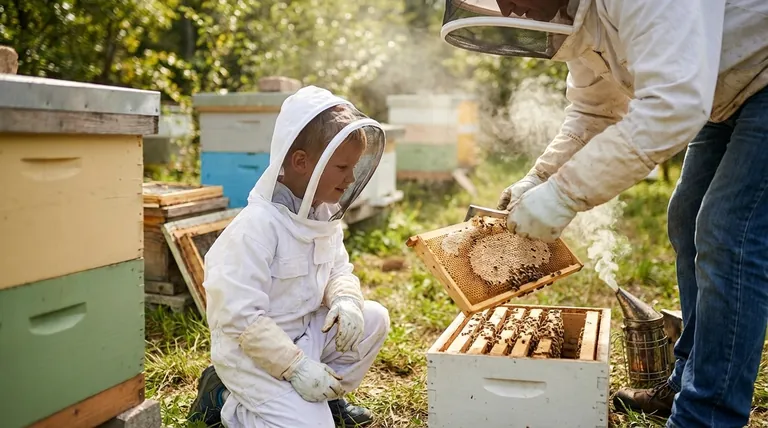
Why a Child-Specific Bee Suit is Essential
A common mistake is to assume a small adult suit will suffice. However, a suit designed specifically for a child's proportions is a non-negotiable piece of safety equipment.
Ensuring a Proper and Secure Fit
An adult suit on a child will be baggy, with excess material that can snag on equipment. More importantly, oversized suits create gaps at the wrists, ankles, and neck, providing entry points for bees.
Child-sized suits are tailored for smaller frames, ensuring a secure seal at all potential access points. This complete barrier is the foundation of sting prevention.
Building Confidence and Reducing Fear
The fear of being stung is the single greatest barrier for a child (or any new beekeeper). A well-fitting, reliable bee suit removes this anxiety.
When a child feels secure and protected, they can relax, focus on the bees, and absorb the lesson at hand. This transforms their experience from one of fear to one of fascination.
Key Features of a Child's Bee Suit
While based on the same principles as adult suits, children's versions have specific considerations. Look for suits that are not just small, but designed for a young user.
Sizing and Adjustability
Most manufacturers provide suits for children, often covering an average age range up to 10 or 12 years old. Check for specific height and chest measurements for the best fit.
Elastic cuffs at the wrists and ankles are standard and crucial for creating a tight seal over boots and gloves.
Full-Body Protection
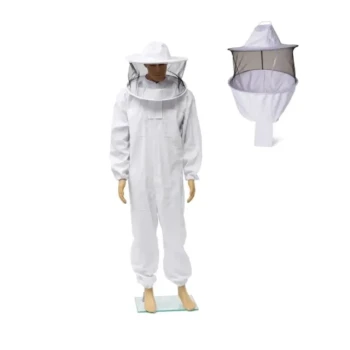
Like adult suits, children's models are typically one-piece jumpsuits that cover the entire body. This integrated design minimizes the potential for gaps between a separate jacket and pants.
Integrated Veil and Hood
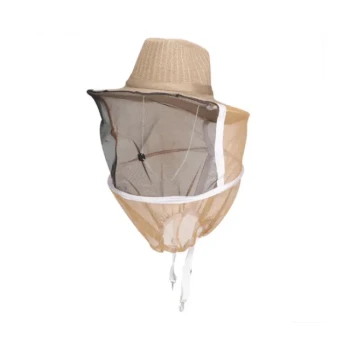
The head and neck are the most critical areas to protect. A good child's bee suit will have a veil and hood that are either permanently attached or zip on securely, offering clear visibility while keeping bees safely away from the face.
Important Considerations and Best Practices
A bee suit is a tool, and its effectiveness depends on proper use and adult oversight. It provides protection, but it does not replace common sense and supervision.
Supervision is Non-Negotiable
A child in a bee suit must always be accompanied by an experienced adult beekeeper. The suit is a layer of protection, not a substitute for expert guidance and oversight in an apiary.
Proper Use is Required
Teach the child how to properly put on and take off the suit. Ensure all zippers are fully closed and all elastic cuffs are securely in place before approaching a hive. A partially open suit is an invitation for a bee to get inside.
Monitor for Comfort and Overheating
Bee suits can become warm, especially on sunny days. Be mindful of the child's comfort level and ensure they stay hydrated. Plan for shorter hive visits in hot weather to prevent overheating.
How to Apply This to Your Goal
Your choice of equipment should align with the level of involvement you envision for the child.
- If your primary focus is occasional, safe observation: A basic, well-fitting full-body bee suit is perfectly adequate to allow a child to watch hive inspections from a close and protected distance.
- If your primary focus is hands-on participation: Ensure the suit offers good mobility and durability, allowing the child to comfortably hold tools or a frame under close supervision.
Equipping a child with the right protective gear is the first step in fostering a safe and lifelong appreciation for beekeeping.
Summary Table:
| Feature | Importance for Children |
|---|---|
| Proper Fit | Prevents gaps at wrists, ankles, and neck to eliminate bee entry points. |
| Full-Body Design | One-piece suit offers complete protection, minimizing risks from separate pieces. |
| Integrated Veil | Securely protects the face and neck while ensuring clear visibility. |
| Adult Supervision | Essential for safety and guidance, even when a suit is worn. |
Ready to Safely Introduce the Next Generation to Beekeeping?
At HONESTBEE, we supply high-quality, durable beekeeping suits and equipment designed for safety and comfort. Whether you're a commercial apiary or a beekeeping equipment distributor looking to outfit young enthusiasts, our wholesale-focused operations ensure you get the right gear.
Protecting a child with the proper equipment transforms a potentially risky activity into a secure, confident, and deeply educational experience. Let us help you build that foundation.
Contact HONESTBEE today to discuss your needs for child-sized bee suits and other essential beekeeping supplies.
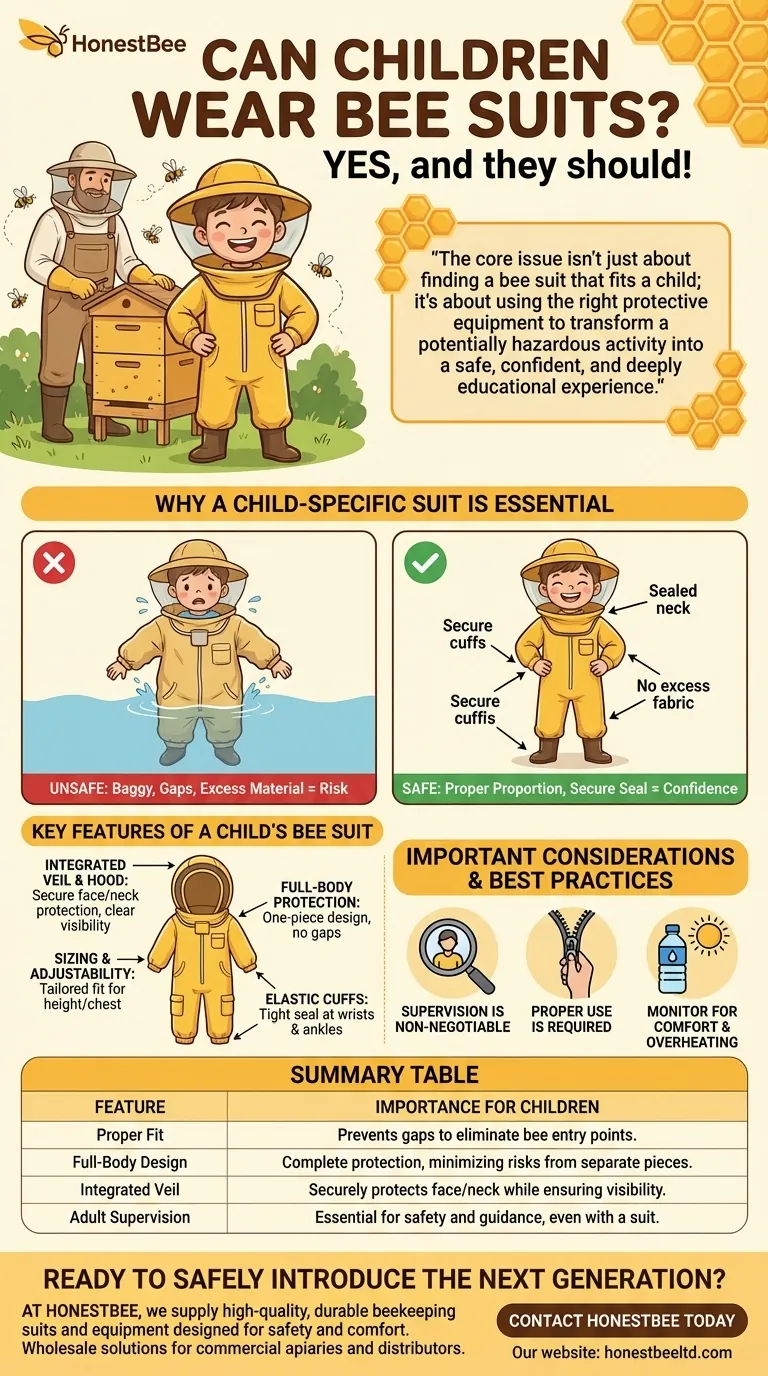
Visual Guide
Related Products
- Professional Beekeeping Suit for Kids and Girls Childrens Bee Keeper Suit
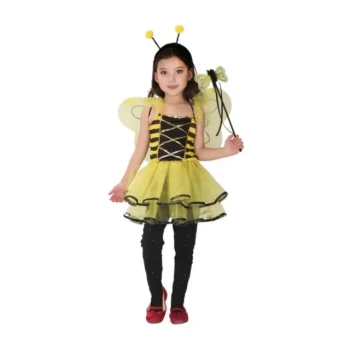
- Adorable Charming Playful Childs Bee Costume Set
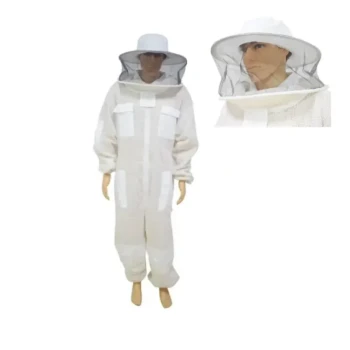
- Premium Three Layer Ventilated Bee Suit with Round Veil
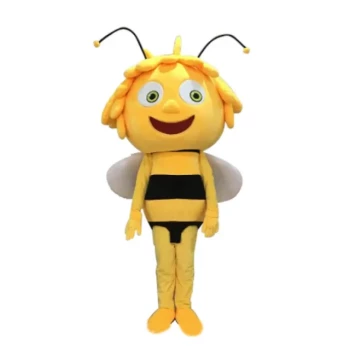
- Iconic Maya the Bee Mascot Costume Professional Engaging Character Outfit
- Premium Cotton Beekeeper Suit with Reinforced Fencing Veil
People Also Ask
- What are the features of children’s bee suits? Ensuring Complete Safety for Young Beekeepers
- What should be considered when choosing a bee suit for a child? Ensure Total Safety & Comfort for Young Beekeepers
- Why is it important for children to wear bee suits? Essential Safety for Young Beekeepers
- Are there bee suits available for children? Safety Gear Guide for Young Beekeepers
- What is the recommended sizing and fit for a child's bee suit? Ensure Safety with These Pro Sizing Tips