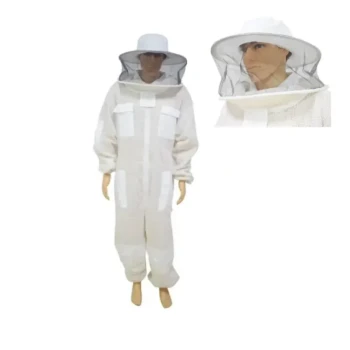
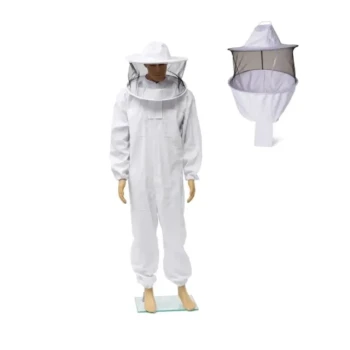
When selecting a bee suit, the primary difference between a beginner and a professional model lies in the material, construction, and design philosophy. Beginner suits prioritize affordability and basic coverage, typically using a single layer of cotton or poly-cotton. Professional suits are built for superior protection, durability, and all-day comfort, employing advanced multi-layer ventilated fabrics and reinforced components.
The decision is not merely about price; it's a critical trade-off between basic coverage and a system designed for comprehensive safety and heat management. A professional suit isn't just "better"—it solves the core problems of sting penetration and overheating that a beginner suit cannot.
Deconstructing the Suit: Key Differences
To understand the value proposition of each type, we must break down the core components that dictate performance, comfort, and safety in the apiary.
Material and Fabric Construction
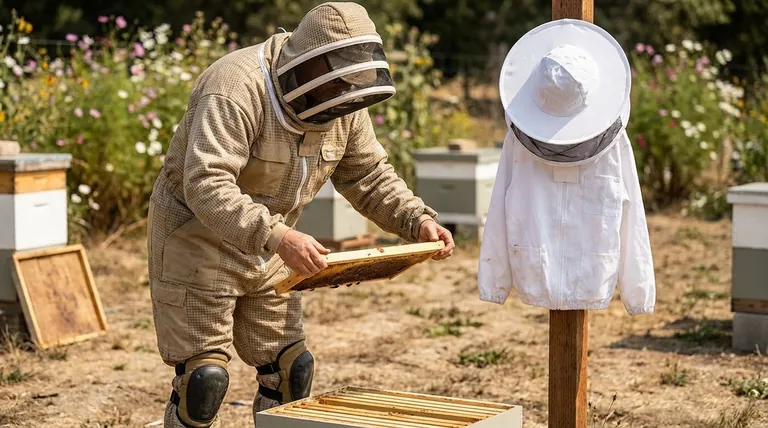
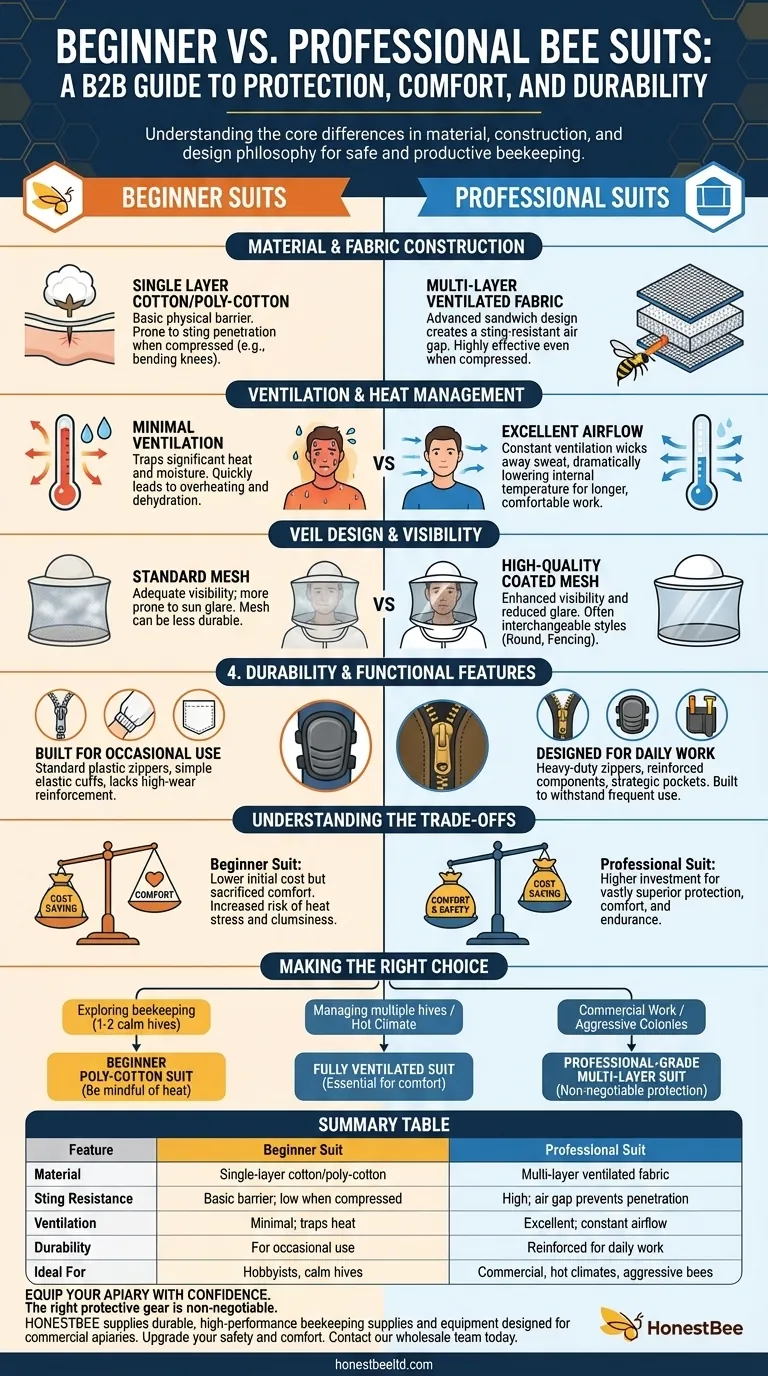
A beginner suit is typically made from a single, thick layer of cotton or a poly-cotton blend. This material provides a basic physical barrier.
However, if this fabric is stretched tightly against your skin—for instance, when you bend your knees or elbows—a bee's stinger can often penetrate the material.
A professional suit almost always uses a multi-layer ventilated fabric. This is a "sandwich" of two layers of mesh with a thicker, more rigid mesh layer in between. This design creates an air gap that is too deep for a bee's stinger to span, making it highly sting-resistant even when the material is compressed.
Ventilation and Heat Management
Working in an apiary during summer is strenuous and hot. A standard cotton suit traps significant heat and moisture, quickly leading to overheating and dehydration.
This is the most significant advantage of a professional suit. The ventilated mesh construction allows for constant airflow, wicking away sweat and dramatically lowering the temperature inside the suit. This allows a beekeeper to work longer, more comfortably, and with a clearer head.
Veil Design and Visibility
The veil is your window to the world. Beginner suits often feature simpler veils that may offer adequate but not exceptional visibility. The mesh can be less durable and more prone to sun glare.
Professional suits typically feature higher-quality, coated mesh that enhances visibility and reduces glare. Many also offer interchangeable veils, allowing you to switch between a "round" style for maximum space or a "fencing" style for better downward visibility and mobility.
Durability and Functional Features
A beginner suit is built for occasional use. It may use standard plastic zippers, simple elastic cuffs, and lack reinforcement in high-wear areas.
Professional suits are designed as daily work equipment. They feature heavy-duty brass or YKK zippers, reinforced knee pads for kneeling, and strategically placed hive tool pockets. Every component is built to withstand the rigors of frequent use.
Understanding the Trade-offs
Choosing a suit requires an objective look at the costs and benefits. More expensive is not always necessary for every situation, but it's vital to know what you are giving up.
The Cost vs. Comfort Equation
There is a significant price difference. A beginner suit can be an affordable entry point for someone unsure about the hobby.
However, this initial saving comes at the cost of comfort. A hot, sweaty, and uncomfortable beekeeper is more likely to be clumsy, agitated, and make mistakes. Investing in a ventilated suit is an investment in your ability to work calmly and effectively.
The Myth of "Sting-Proof"
No suit is 100% "sting-proof." A bee can still find a gap in a zipper, a loose wrist cuff, or a tear in the material. Proper technique in putting on and securing your suit is always paramount.
The key difference is that professional suits are highly sting-resistant through the fabric itself. Beginner cotton suits are not. They rely solely on being loose enough to prevent the fabric from touching your skin.
Bulk and Weight
Historically, some older professional suits were bulky. However, modern ventilated suits are engineered to be surprisingly lightweight and flexible, often rivaling the mobility of a simple cotton suit while providing vastly superior protection.
Making the Right Choice for Your Goal
Your choice should be dictated by your climate, the number of hives you manage, and the temperament of your bees.
- If your primary focus is exploring beekeeping with one or two calm hives: A basic poly-cotton suit offers adequate protection for infrequent inspections, but be mindful of the heat.
- If your primary focus is managing multiple hives or working in a hot climate: Investing in a fully ventilated suit is essential for your safety, comfort, and endurance during long work sessions.
- If your primary focus is commercial work or handling aggressive colonies: A professional-grade, multi-layer ventilated suit with reinforced components is a non-negotiable piece of personal protective equipment.
Ultimately, choosing the right suit is the first step in making every interaction with your bees a safe and focused one.
Summary Table:
| Feature | Beginner Suit | Professional Suit |
|---|---|---|
| Material | Single-layer cotton/poly-cotton | Multi-layer ventilated fabric |
| Sting Resistance | Basic barrier; low when compressed | High; air gap prevents penetration |
| Ventilation | Minimal; traps heat and moisture | Excellent; constant airflow for cooling |
| Durability | For occasional use | Reinforced components for daily work |
| Ideal For | Hobbyists with 1-2 calm hives | Commercial beekeepers, hot climates, aggressive bees |
Equip your apiary with confidence. Whether you're a hobbyist starting out or a commercial operation managing hundreds of hives, the right protective gear is non-negotiable. At HONESTBEE, we supply durable, high-performance beekeeping supplies and equipment designed for the demands of commercial apiaries and distributors. Our professional-grade bee suits offer the superior ventilation and sting resistance you need for safe, productive work. Ready to upgrade your safety and comfort? Contact our wholesale team today to discuss your equipment needs and discover the HONESTBEE difference.
Visual Guide
Related Products
- Premium Three Layer Ventilated Bee Suit with Round Veil
- Professional Beekeeper Suit with Square Folding Cotton Veil
- Professional Beekeeping Suit for Kids and Girls Childrens Bee Keeper Suit
- Three-Layer Ventilated Beekeeper Suit with Structured Fencing Veil
- Professional Cotton Beekeeper Suit with Round Veil Design for Commercial Apiaries
People Also Ask
- What are the features of a ventilated bee suit? Stay Cool and Protected in Hot Weather
- What is the function of professional protective consumables? Scale Your Apiary with Ventilated Bee Suits
- What should be considered when purchasing a ventilated bee suit? Ensure Maximum Safety and Comfort
- What is the advantage of ventilated bee suits over traditional ones? Stay Cool and Protected with Mesh Technology
- What materials are used in ventilated bee suits? Choose Between 3-Layer Mesh & Foam for Optimal Protection