The short answer is a definitive no. Clogs with holes are strongly discouraged for use in a bee yard. The perforations in this type of footwear act as open entry points, significantly increasing the risk of bees crawling inside and stinging your feet.
While comfort is important, safety is paramount in the apiary. Footwear with any openings creates a "bee trap," making solid, enclosed boots the only recommended choice for preventing foot stings.
Understanding the Risk Factors
The "Entry Point" Problem
Bees are naturally inclined to crawl into small spaces and crevices. The holes found in popular garden clogs provide an immediate, unobstructed path for a bee to enter your shoe.
The Difficulty of Removal
Once a bee is inside a shoe, it will feel trapped and is almost certain to sting defensively. Because you are wearing protective gear, removing a shoe quickly to address the sting is often difficult or impossible.
What to Wear Instead
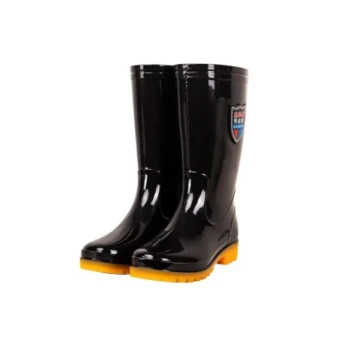
Simple Agricultural Boots
You do not need to invest in expensive, specialized beekeeping footwear. Any comfortable, agricultural-type boot or standard work boot will provide adequate protection.
Complete Enclosure
The primary requirement is that the footwear covers the entire foot and ankle without gaps. This effectively eliminates the risk associated with open-toed shoes, sandals, or perforated clogs.
Common Pitfalls to Avoid
The Open-Toe Danger
Never wear sandals or flip-flops in the apiary. These offer zero protection against dropped frames, tools, or crawling bees.
Improper Pant Placement
Wearing the right boots is only half the solution; you must also manage the gap between your pants and the boot. Pant legs should be pulled down over the tops of the boots.
This creates a "shingle effect." If a bee falls onto your leg, it will slide down past your ankle rather than falling inside the boot cuff.
Making the Right Choice for Your Goal
When selecting footwear for the bee yard, prioritize an unbroken barrier between you and the bees.
- If your primary focus is cost-effectiveness: Use standard rubber rain boots or sturdy hiking boots you already own, provided they have no holes.
- If your primary focus is maximum security: Ensure your pant legs are long enough to drape securely over the boot collar to prevent bees from crawling down into the ankle area.
Your footwear is the foundation of your protective gear; keep it sealed to keep your focus on the bees, not your feet.
Summary Table:
| Feature | Perforated Clogs | Agricultural/Work Boots | Rubber Rain Boots |
|---|---|---|---|
| Sting Protection | Low (High Risk) | High | High |
| Enclosure Type | Open/Vented | Fully Enclosed | Fully Enclosed |
| Material Durability | Moderate | High | Moderate/High |
| Apiary Suitability | Not Recommended | Highly Recommended | Recommended |
Elevate Your Apiary Safety with HONESTBEE
At HONESTBEE, we understand that professional beekeeping requires precision, safety, and the right tools. Whether you are managing large-scale commercial apiaries or operating as a regional distributor, we provide the comprehensive wholesale solutions you need to thrive.
Our portfolio ranges from high-quality protective gear and specialized beekeeping tools to advanced industrial machinery, including hive-making and honey-filling machines. We also offer a wide selection of honey-themed cultural merchandise and essential consumables to support every aspect of your business.
Ready to scale your operations? Contact us today to discover how our premium equipment and wholesale expertise can drive efficiency and safety in your apiary.
Related Products
- White PVC Beekeeping Shoes with Non-Slip Safety Sole
- White Cotton Beekeeping Jacket and Veil for Bee Keepers
- Beekeeping Jacket with Hood and Veil for Beekeepers
- Professional PVC Beekeeping Shoes with Integrated Non-Slip Sole
- Beekeeping Gloves Goatskin Leather with Long Cotton Sleeve for Beekeepers
People Also Ask
- Why is it beneficial for beekeeping shoes to be easy to clean? Enhance Safety and Traction in Your Apiary
- What are the common types of shoes used by beekeepers? Select the Best Footwear for Apiary Safety and Comfort
- What types of shoes are commonly used by beekeepers? Achieve Maximum Safety and Comfort
- What is the importance of choosing the right beekeeping shoes? Ensure Safety and Comfort in the Apiary
- How does proper coverage contribute to the effectiveness of beekeeping shoes? Secure Your Feet Against Stings