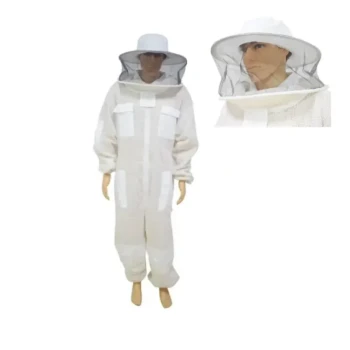
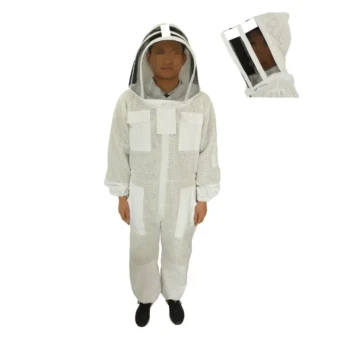
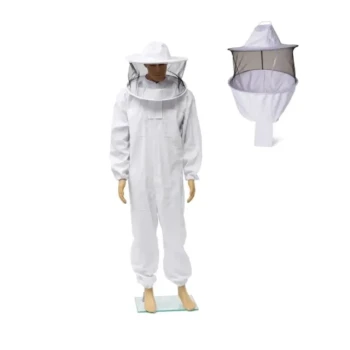
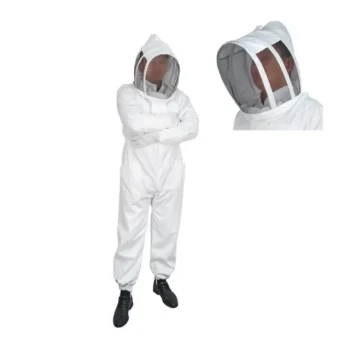
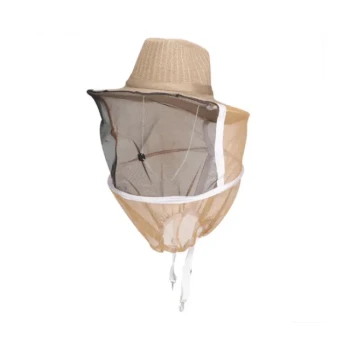
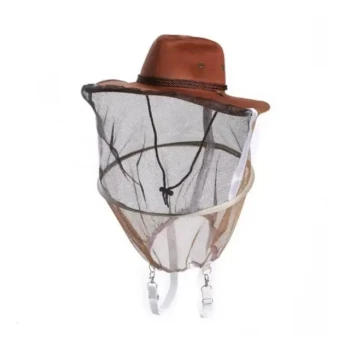
Yes, there are eco-friendly and sustainable options available. Manufacturers are increasingly responding to environmental concerns by incorporating recycled fibers, biodegradable fabrics, and ethical production methods into their beekeeping suits.
While the market has traditionally relied on standard synthetics, the shift toward sustainability allows beekeepers to choose gear that aligns with their values. True sustainability in protective clothing involves balancing eco-friendly materials with high-quality construction to ensure the garment lasts for years rather than a single season.
Defining Sustainability in Beekeeping Gear
To understand your options, you must look beyond just the marketing label. Sustainable beekeeping gear focuses on two distinct areas: the materials used and the ethics of production.
Eco-Friendly Materials
As the primary reference notes, producers are moving away from virgin synthetic fibers. You can now find suits made from recycled materials, which reduce plastic waste. Additionally, some brands are experimenting with biodegradable fabrics, ensuring that the suit does not contribute to permanent landfill waste at the end of its lifecycle.
Ethical Production Practices
Sustainability also encompasses the human element. Manufacturers focusing on this niche often prioritize ethical practices. This includes fair labor conditions and responsible manufacturing processes that minimize water usage and chemical runoff during fabric production.
The Role of Durability in Sustainability
The most sustainable suit is often the one you do not have to replace. Based on standard beekeeping requirements, the physical construction of the suit is a critical factor in its environmental footprint.
Construction Quality
A "green" suit that tears easily is not sustainable. Look for double-stitched seams and heavy-duty zippers. These features, typically associated with high-quality gear, ensure the suit withstands the rigors of apiary work without failing.
Maintenance and Longevity
Select clothing made from strong, machine-washable materials. Being able to easily launder your suit prevents the buildup of dirt and contaminants. Proper maintenance extends the life of the garment, significantly reducing textile waste over time.
Understanding the Trade-offs
While eco-friendly options are appealing, there are objective considerations to keep in mind before purchasing.
Availability and Cost
Suits made from specialized recycled or biodegradable materials are less common than standard cotton or polyester blends. Consequently, they often carry a higher price point due to the cost of sustainable sourcing and ethical manufacturing.
Protection vs. Material Constraints
The primary function of a bee suit is protection to reduce anxiety and prevent stings. Ensure that any eco-friendly fabric you choose is tightly woven and thick enough to stop stings. Do not compromise on safety features like tight elastic around wrists and ankles for the sake of a specific material.
Making the Right Choice for Your Goal
When selecting your protective gear, weigh your environmental values against your specific beekeeping needs.
- If your primary focus is Environmental Impact: Prioritize brands that explicitly state their use of recycled or biodegradable materials and verify their ethical manufacturing certifications.
- If your primary focus is Long-Term Sustainability: Choose a suit with double-stitched seams and robust construction, as a suit that lasts ten years is ultimately more eco-friendly than one that lasts two.
- If your primary focus is Comfort and Hygiene: Look for machine-washable fabrics that allow you to maintain a contaminant-free environment for your bees without degrading the material.
By selecting high-quality, ethically produced gear, you protect both yourself and the environment you rely on.
Summary Table:
| Sustainability Factor | Key Features | Long-Term Benefit |
|---|---|---|
| Materials | Recycled fibers & biodegradable fabrics | Reduces plastic waste and landfill impact |
| Production | Ethical labor & low-chemical processes | Supports fair trade and reduces water pollution |
| Construction | Double-stitched seams & heavy-duty zippers | Extends gear lifespan to minimize replacement |
| Maintenance | Machine-washable, high-quality textiles | Ensures hygiene and prevents premature wear |
Partner with HONESTBEE for Sustainable Beekeeping Solutions
At HONESTBEE, we understand that true sustainability for commercial apiaries and distributors means balancing environmental responsibility with industrial-grade durability. We specialize in supplying a comprehensive range of high-quality beekeeping tools, machinery, and essential consumables designed to last.
Whether you need robust protective gear, specialized hive-making equipment, or honey-filling machines, our wholesale offerings help you scale your business efficiently while minimizing waste.
Ready to elevate your apiary with professional-grade equipment? Contact us today to discuss your wholesale needs and discover how our expertise can drive your success.
Related Products
- Premium Three Layer Ventilated Bee Suit with Round Veil
- Professional Beekeeper Suit with Square Folding Cotton Veil
- Professional Beekeeping Suit for Kids and Girls Childrens Bee Keeper Suit
- Three-Layer Ventilated Beekeeper Suit with Structured Fencing Veil
- Professional Cotton Beekeeper Suit with Round Veil Design for Commercial Apiaries
People Also Ask
- What are the features of a ventilated bee suit? Stay Cool and Protected in Hot Weather
- What is the function of professional protective consumables? Scale Your Apiary with Ventilated Bee Suits
- What should be considered when purchasing a ventilated bee suit? Ensure Maximum Safety and Comfort
- What is the advantage of ventilated bee suits over traditional ones? Stay Cool and Protected with Mesh Technology
- What materials are used in ventilated bee suits? Choose Between 3-Layer Mesh & Foam for Optimal Protection