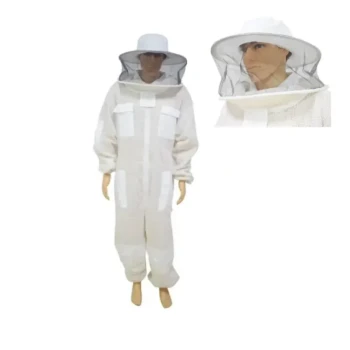
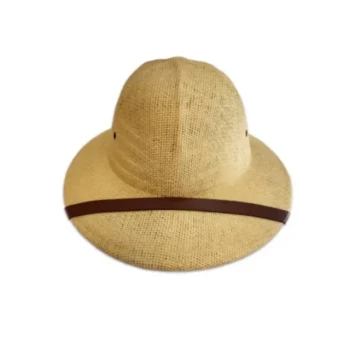
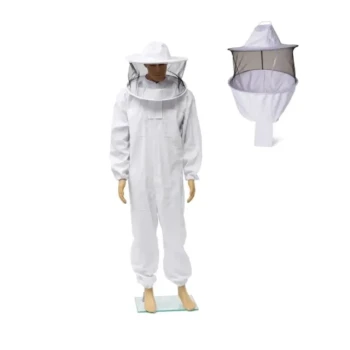
The primary advantage of a ventilated bee suit is significantly improved thermoregulation without compromising safety. Unlike traditional protective clothing made from heavy, non-breathable materials, ventilated suits utilize specialized mesh fabrics that allow air to circulate freely around the body, keeping the beekeeper cool in high temperatures.
Core Takeaway Ventilated suits solve the critical problem of heat exhaustion inherent in traditional beekeeping gear. By replacing dense cotton canvas with multi-layered mesh, they create a breathable barrier that stops stings through thickness rather than fabric density.
The Engineering Behind the Airflow
The Limitation of Traditional Materials
Traditional bee suits were historically constructed from cotton canvas. While durable, this dense fabric creates a seal that traps body heat.
In hot weather, a canvas suit can become stifling, leading to rapid discomfort and potential overheating for the wearer.
The Mesh Innovation
Modern ventilated suits replace solid canvas with a mesh material. This permeable structure permits continuous airflow through the suit.
This circulation actively cools the wearer, making long inspections in the summer sun significantly more manageable.
How Protection is Maintained
The Principle of Thickness
You might wonder how a suit with holes (mesh) prevents stings. The secret lies in the thickness of the material.
Ventilated suits typically employ a thick layer of mesh or multiple layers stacked together.
Creating a Safe Distance
This multi-layered construction creates a physical gap deeper than the length of a bee's stinger.
While the air can pass through the gaps, a bee simply cannot reach your skin to deliver a sting. The protection comes from depth, not just surface resistance.
Practical Implications for Beekeepers
Reduced Clothing Layers
Because of the suit's protective depth, you can change your underlying attire.
A key benefit of fully ventilated suits is the ability to wear them without a shirt or long pants.
Comfort in Extreme Heat
In extremely hot weather, this allows for maximum skin exposure to the circulating air.
This reduction in layers significantly lowers the risk of heat stress compared to wearing a canvas suit over street clothes.
Understanding the Trade-offs
Weight and Bulk vs. Density
While the references focus on cooling, it is important to note the structural difference. A traditional suit relies on a single, dense layer of canvas.
A ventilated suit achieves safety through bulkier, multi-layered mesh. This means the material itself is thicker, even if it feels cooler due to airflow.
The "Hot Cotton" Pitfall
The most significant trade-off to consider is the penalty of sticking with traditional gear.
Choosing "hot cotton canvas" over ventilated mesh in a warm climate is a choice to prioritize tradition over thermal regulation, which can negatively impact your endurance and focus during hive inspections.
Making the Right Choice for Your Goal
When deciding between suit types, assess your specific environmental conditions.
- If your primary focus is working in high heat: Choose a ventilated suit, as the mesh airflow allows you to wear fewer clothes underneath and avoid overheating.
- If your primary focus is standard protection in cool climates: A traditional cotton canvas suit may suffice, provided you understand it lacks the breathability of modern mesh alternatives.
The right gear turns a physically taxing chore into a comfortable, sustainable practice.
Summary Table:
| Feature | Traditional Cotton Canvas Suit | Ventilated Mesh Bee Suit |
|---|---|---|
| Primary Material | Dense Cotton Canvas | Multi-layered Breathable Mesh |
| Airflow | Restricted (Traps heat) | High (Continuous circulation) |
| Protection Method | Fabric density/surface resistance | Material thickness and depth |
| Heat Stress Risk | High in summer months | Significantly Reduced |
| Internal Layering | Requires full clothing underneath | Can be worn with minimal layers |
| Best Use Case | Cool climates / Short duration | High heat / Professional apiaries |
Elevate Your Apiary’s Efficiency with HONESTBEE
Don't let heat exhaustion hinder your beekeeping operations. HONESTBEE provides commercial apiaries and distributors with premium-grade ventilated suits and a complete range of professional beekeeping machinery—from hive-making tools to honey-filling systems.
Our wholesale solutions are designed to enhance safety and productivity for large-scale operators. Contact us today to explore our full spectrum of beekeeping equipment and consumables and see how our industry expertise can grow your business.
Related Products
- Premium Three Layer Ventilated Bee Suit with Round Veil
- Three-Layer Ventilated Beekeeper Suit with Structured Fencing Veil
- Vented Beekeeping Jacket with Hood and Veil for Beekeepers
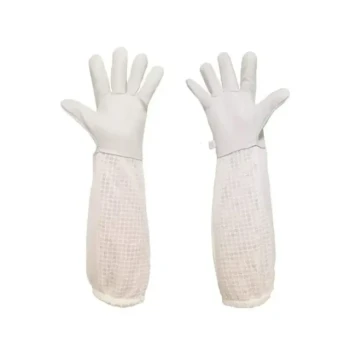
- Premium Ventilated Goatskin Beekeeping Gloves with Full 3-Layer Mesh Sleeve
- Inner Beehive Cover for Beekeeping Bee Hive Inner Cover
People Also Ask
- What are the features of a ventilated bee suit? Stay Cool and Protected in Hot Weather
- What is the function of professional protective consumables? Scale Your Apiary with Ventilated Bee Suits
- What should be considered when purchasing a ventilated bee suit? Ensure Maximum Safety and Comfort
- What materials are used in ventilated bee suits? Choose Between 3-Layer Mesh & Foam for Optimal Protection
- How does a ventilated suit balance sting protection and comfort? The Science of Cool, Safe Beekeeping