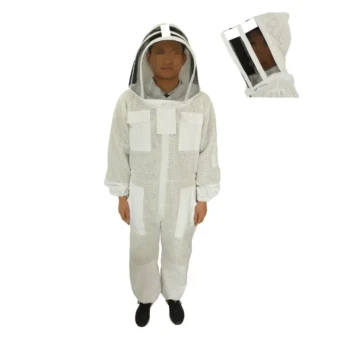
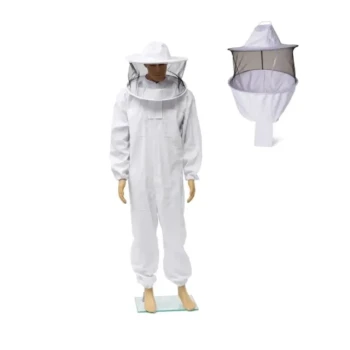
To ensure maximum safety and protection, a child's bee suit must fit loosely rather than snugly. You should specifically purchase a suit that is one or two sizes larger than your child's standard daily clothing size. This extra volume ensures the fabric sits away from the skin, creating a necessary buffer zone against stings.
The Core Protection Principle: A bee’s stinger has a specific, limited length. By intentionally selecting a baggy suit, you create a physical gap between the fabric and the child's skin that exceeds the stinger's reach, effectively neutralizing the threat before it touches the body.
The Mechanics of Protective Sizing
Creating the Safety Gap
The primary goal of a bee suit is to serve as a barrier. If a suit fits tightly, the fabric rests directly against the skin.
In this scenario, if a bee stings the fabric, the stinger can easily penetrate through to the skin. A baggy fit ensures that if a sting occurs, it harmlessly catches the loose fabric and the air gap underneath, missing the child entirely.
Optimizing the Layers Underneath
While the suit provides the outer shell, what the child wears underneath is equally critical for protection.
It is recommended to have the child wear loose-fitting, long sleeves and pants under the suit. This adds a secondary layer of material that a stinger must bypass.
Material Density and Comfort
Thicker materials offer better armor. If the weather permits and the child is comfortable, loose jeans are an excellent choice for the bottom layer as denim is difficult for stingers to penetrate.
However, be mindful of temperature. Since the goal is protection without overheating, ensure the under-layers are made of light fabrics if the weather is warm.
Critical Safety Features Beyond Sizing
Securing the Extremities
A baggy suit is useless if bees can crawl inside. You must verify that the suit features secure elastic cuffs at the wrists and ankles.
These seals prevent bees from navigating up sleeves or pant legs, which is a common behavior when bees land on clothing.
Hardware and Construction
Regardless of the suit's size, check the integrity of the zippers and the veil. The zipper must be sturdy and close completely without gaps.
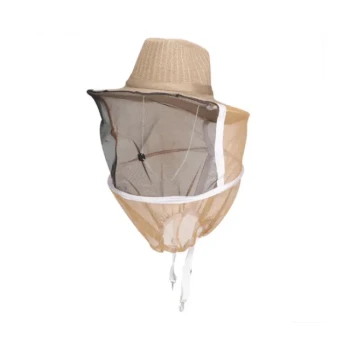
The veil is the most sensitive protective point; it must be functional and fully integrated with the suit to protect the face and neck area reliably.
Understanding the Trade-offs
Price vs. Longevity
You do not necessarily need to buy the most expensive equipment to ensure safety. Inexpensive bee suits can provide adequate protection if they meet the fit and feature requirements.
The trade-off is often durability rather than immediate safety. A cheaper suit may have a shorter lifespan or less breathable fabric, but it can still be effective if it has the essential components like good cuffs and a proper veil.
Bulk vs. Mobility
Sizing up by two sizes significantly increases safety, but it may slightly hamper mobility for smaller children.
You must balance the need for a baggy fit with the child's ability to move safely around the apiary without tripping over excess fabric length.
Making the Right Choice for Your Project
To select the best protection for your young beekeeper, prioritize the fit first and the price second.
- If your primary focus is Maximum Safety: Purchase a suit two sizes larger than normal and have the child wear loose jeans and long sleeves underneath.
- If your primary focus is Budget: Select a lower-cost suit but rigorously inspect the elastic cuffs and zipper quality to ensure the barrier is intact.
- If your primary focus is Comfort in Heat: Choose a suit one size up to allow airflow and have the child wear very light, loose clothing underneath to prevent overheating.
The most effective bee suit is simply one that keeps the fabric away from the skin while sealing all entry points.
Summary Table:
| Feature | Recommendation | Why It Matters |
|---|---|---|
| Sizing | 1-2 sizes larger than daily wear | Creates a physical gap so stingers can't reach the skin. |
| Fit Style | Loose and baggy | Prevents fabric from resting against skin; improves airflow. |
| Under-layers | Long sleeves & loose pants | Adds a secondary barrier; denim is highly recommended. |
| Cuffs | Elasticized wrists and ankles | Seals entry points to prevent bees from crawling inside. |
| Hardware | Heavy-duty zippers & integrated veil | Ensures no gaps at critical points like the neck and face. |
Equip Your Apiary for Success with HONESTBEE
As a professional beekeeper or distributor, you know that safety is the foundation of a thriving apiary. At HONESTBEE, we specialize in supporting commercial operations and wholesale partners with high-quality, reliable beekeeping essentials. From precision-engineered hive-making and honey-filling machines to durable protective gear for all ages, we provide the tools you need to grow your business.
Whether you are stocking a retail shop or scaling a commercial honey production line, our comprehensive portfolio of hardware, consumables, and honey-themed merchandise ensures you stay competitive. Maximize your operation's efficiency and safety—Contact us today to explore our wholesale catalog!
Related Products
- Professional Beekeeping Suit for Kids and Girls Childrens Bee Keeper Suit
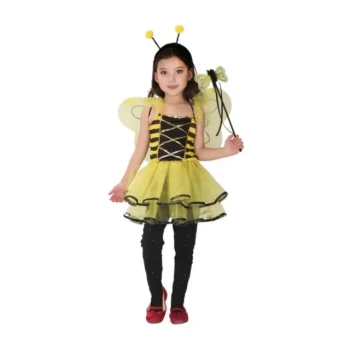
- Adorable Charming Playful Childs Bee Costume Set
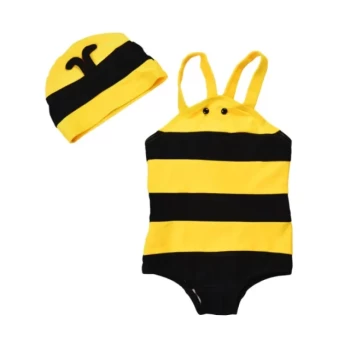
- Adorable Baby Toddler Bee Swimsuit and Cap Set
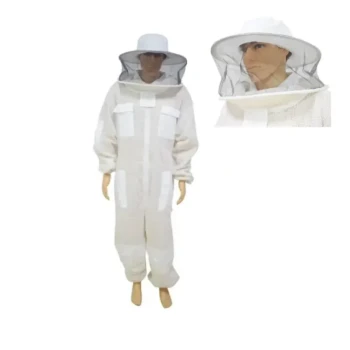
- Premium Three Layer Ventilated Bee Suit with Round Veil
- Premium Cotton Beekeeper Suit with Reinforced Fencing Veil
People Also Ask
- What are the features of children’s bee suits? Ensuring Complete Safety for Young Beekeepers
- Can children wear bee suits? Equip Kids for Safe & Educational Beekeeping
- What should be considered when choosing a bee suit for a child? Ensure Total Safety & Comfort for Young Beekeepers
- Why is it important for children to wear bee suits? Essential Safety for Young Beekeepers
- Are there bee suits available for children? Safety Gear Guide for Young Beekeepers