Automated climate control systems are the technological backbone of modern industrial bee overwintering. These systems maintain a precise microclimate—typically 4–5°C with 50–60% relative humidity—that forces bee colonies into a low-energy, dormant state. This stability eliminates the metabolic stress caused by fluctuating outdoor weather, drastically reducing winter mortality rates and feed consumption across thousands of colonies.
By standardizing the overwintering environment, automated systems transform a high-risk seasonal gamble into a predictable industrial process. This ensures that large-scale apiaries can maintain high survival rates and achieve rapid colony recovery for the spring pollination season.
Optimizing Physiological Energy Consumption
Regulating Metabolic Rates via Temperature
Automated systems maintain a constant low temperature, usually around 4–5°C, which is the "sweet spot" for honeybee clusters.
At this temperature, bees do not need to vibrate their wing muscles to generate heat, nor do they need to circulate air to cool the hive.
This minimal metabolic activity preserves the bees' physical energy and extends their lifespan through the winter months.
Managing Humidity for Colony Health
Precise humidity control, typically held between 50% and 60% RH, prevents the growth of pathogenic molds while ensuring the hive does not become too dry.
If humidity is too high, condensation can kill a cluster; if it is too low, the bees can become dehydrated and the honey can crystallize, making it inedible.
Automated sensors provide real-time adjustments that manual management simply cannot achieve at an industrial scale.
Driving Operational Efficiency for Large-Scale Apiaries
Consistency Across Mass Populations
In a large-scale commercial operation, managing thousands of colonies individually is impossible without industrial-grade environmental control rooms.
These systems ensure that every colony, regardless of its position in the storage shed, experiences the exact same standardized conditions.
This consistency allows beekeepers to predict spring population strengths with high accuracy, which is vital for fulfilling pollination contracts.
Integration with Automated Hardware
Modern overwintering is supported by automated hive-making machines that produce high-precision, well-sealed hive components.
When these precision hives are paired with climate control systems, the thermal insulation and air-tightness are maximized.
This synergy reduces the workload on the climate control machinery, leading to lower energy costs for the facility operator.
Understanding the Trade-offs
The Risk of System Dependency
The primary risk of automated overwintering is a single point of failure in the climate control hardware or power supply.
A sudden spike in temperature due to a system malfunction can "wake up" the colonies prematurely, leading to massive energy consumption and potential starvation.
Relying on a partner with deep professional industry expertise and rapid response capabilities is essential to mitigate these technical risks.
Initial Capital Investment vs. Long-term ROI
The initial cost of industrial-grade climate systems and specialized storage sheds is significantly higher than traditional outdoor wintering.
However, the reduction in colony loss and the savings on winter feed typically offset these costs within a few seasons.
Wholesalers must frame these systems not as an expense, but as infrastructure for risk mitigation and yield stability.
Selecting the Right System for Your Operation
For distributors and B2B resellers, providing the right technology depends on the specific scale and climate challenges of the end-user. Our one-stop sourcing capability ensures you have access to the full spectrum of climate and hive-making technology.
- If your primary focus is maximizing survival in extreme climates: Prioritize systems with redundant temperature sensors and integrated backup power protocols to guarantee a stable 4°C environment.
- If your primary focus is reducing operational overhead: Invest in high-precision automated hive-making machinery to ensure all hardware meets the thermal sealing standards required for efficient climate control.
- If your primary focus is rapid spring deployment: Focus on systems that allow for gradual "warm-up" phases to stimulate the queen and brood rearing just prior to delivery to orchards.
Implementing automated climate control is the most effective way to secure the supply chain of healthy bee colonies for the global agricultural market.
Summary Table:
| Key Feature | Industrial Impact | Benefit for Wholesalers/Distributors |
|---|---|---|
| Precise Thermal Control | Maintains 4–5°C to minimize bee metabolic energy loss. | Higher colony survival rates and lower winter feed costs. |
| Humidity Regulation | Keeps RH at 50–60% to prevent mold and dehydration. | Healthier spring populations ready for immediate deployment. |
| Operational Scaling | Standardizes conditions across thousands of colonies. | Predictable inventory for fulfilling large pollination contracts. |
| Hardware Synergy | Pairs with precision hive-making for optimal insulation. | Reduced energy overhead and increased long-term ROI. |
Scale Your Beekeeping Success with HONESTBEE
Transitioning to industrial-scale overwintering requires reliable technology and a partner who understands the stakes. HONESTBEE is your premier one-stop sourcing partner, providing a comprehensive wholesale portfolio—from automated hive-making and honey-filling machinery to essential industry consumables.
Why partner with HONESTBEE?
- Full-Spectrum Inventory: One-stop sourcing for all beekeeping tools and hardware.
- B2B Growth Focus: Competitive profit margins and dedicated OEM/ODM support for distributors.
- Unmatched Reliability: Rapid response times and ultra-fast delivery to keep your supply chain moving.
- Professional Expertise: Deep industry knowledge to help you mitigate risks and maximize yields.
Ready to elevate your commercial apiary or distribution network? Contact HONESTBEE today to discuss your bulk requirements!
References
- Aleksejs Zacepins, Valters Brusbārdis. PRECISION BEEKEEPING (PRECISION APICULTURE): RESEARCH NEEDS AND STATUS IN LATVIA. DOI: 10.17707/agricultforest.61.1.17
This article is also based on technical information from HonestBee Knowledge Base .
Related Products
- HONESTBEE AC Powered Wire Embedder with Alligator Clips
- Steel Round Disc Entrance Reducer for Flexzion Bee Hive Nuc Box Gate
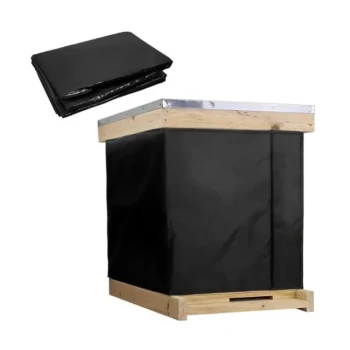
- Professional Insulated Winter Hive Wrap for Beekeeping
People Also Ask
- How can combs be further strengthened? Embed Wires for Durable, High-Yield Hives
- What is an embedder in beekeeping? Essential Tool for Strengthening Wax Foundation & Hive Frames
- Why must strict sanitary and health prevention protocols be implemented for honeybee transport? Maximize Colony Survival
- What are the primary indicators of healthy honeybee colonies? Optimize Your Commercial Apiary for Peak Productivity
- Why must honeybee samples be stored in high-concentration ethanol and low temperatures? Ensure Genetic & Physical Integrity