The primary indicators of a healthy honeybee colony in a commercial setting revolve around biological vitality, resource availability, and environmental integrity. Specifically, a robust colony is defined by the presence of a high-quality queen, a complete absence of diseases and parasites, ample nutritional stores, and physical equipment that offers both ventilation and room for growth.
A healthy commercial colony is an integrated system where physical infrastructure supports biological needs. Success relies not just on the queen's productivity, but on the colony’s collective hygienic behavior and consistent access to water and space.
Biological Indicators of Health
The Necessity of a High-Quality Queen
The foundation of a healthy colony is that it must be headed by a high-quality queen. As the sole reproductive focus, her vigor determines the population density and genetic resilience of the entire hive.
Hygienic Behaviors and Sanitation
Healthy colonies demonstrate strong hygienic behaviors. This genetic trait is essential for maintaining hive sanitation, as workers actively remove diseased brood or debris.
Resistance to Infestations
These hygienic traits are the colony's first line of defense in resisting pest infestations. A self-cleaning hive is a primary indicator of long-term viability and lower management overhead.
Absence of Pathogens
A truly healthy colony remains free of diseases and parasites. Commercial viability requires regular monitoring to ensure biological stressors do not compromise the hive's productivity.
Resource and Environmental Requirements
Essential Nutritional Stores
The colony requires ample stores of nectar and pollen. These resources provide the carbohydrates and protein necessary to sustain the adult population and rear new brood.
Consistent Water Access
Often overlooked, a healthy colony must have consistent access to a nearby water source. Water is critical for thermoregulation within the hive and for diluting stored honey for consumption.
Infrastructure and Ventilation
The bees must inhabit solid, well-ventilated equipment. Proper ventilation is crucial for managing humidity and preventing the buildup of moisture that can lead to disease.
Space for Expansion
A healthy colony is a growing colony. You must provide sufficient space for expansion within the hive boxes to prevent overcrowding and accommodate population increases.
Understanding the Trade-offs
Equipment Quality vs. Cost
Investing in solid, well-ventilated equipment often requires a higher upfront capital expenditure. However, using substandard or poorly ventilated gear can lead to moisture accumulation, which invites disease and weakens the colony.
Expansion vs. Temperature Control
While providing space for expansion is critical to prevent swarming, adding too much space too quickly can be detrimental. If the colony population is too small for the physical space, they may struggle to regulate the internal temperature efficiently.
Optimizing for Colony Success
To ensure your commercial operations remain productive, align your assessment with your specific management goals:
- If your primary focus is rapid population growth: Prioritize a high-quality queen and ensure there is immediate space for expansion to accommodate her laying rate.
- If your primary focus is long-term survival: Focus on hygienic behaviors and verifying the colony is free of diseases and parasites to reduce overwintering losses.
- If your primary focus is resource efficiency: Ensure solid, well-ventilated equipment and a nearby water source to minimize the energy the bees spend on climate control.
A healthy commercial colony is ultimately a balance of strong leadership, clean living conditions, and adequate physical resources.
Summary Table:
| Health Category | Primary Indicator | Commercial Benefit |
|---|---|---|
| Biological | High-Quality Queen & Low Pathogens | High population density and disease resistance. |
| Behavioral | Strong Hygienic Behavior | Reduced labor for pest management and sanitation. |
| Nutritional | Ample Nectar/Pollen Stores | Sustained brood rearing and adult vitality. |
| Environmental | Proper Ventilation & Water Access | Effective thermoregulation and humidity control. |
| Infrastructure | Solid Equipment & Expansion Space | Prevention of swarming and long-term hive durability. |
Maximize Your Colony Health with HONESTBEE
At HONESTBEE, we understand that a healthy honeybee colony is the backbone of any successful commercial apiary or distribution business. As a premier provider to the global beekeeping industry, we supply everything from high-performance hive-making and honey-filling machinery to durable, well-ventilated hardware designed to support biological vitality and hive expansion.
Whether you are scaling your operations or sourcing essential consumables for a distribution network, our comprehensive wholesale portfolio offers the specialized tools and honey-themed cultural merchandise you need to thrive. Empower your beekeeping success today—Contact our specialists at HONESTBEE to discuss your wholesale requirements!
Related Products
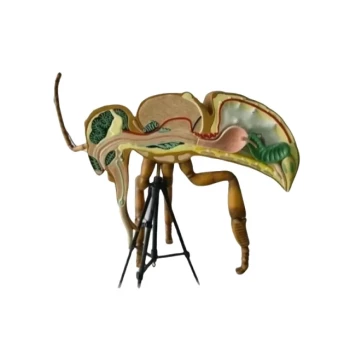
- HONESTBEE Anatomy Bee Model Detailed Anatomical Display for Education and Study
- HONESTBEE AC Powered Wire Embedder with Alligator Clips
- Assembled Wooden Bee Frames with Beeswax Foundation Ready to Use by HONESTBEE
- Honey Bee Lifecycle Model: A Detailed Honeycomb Display of Bee Development
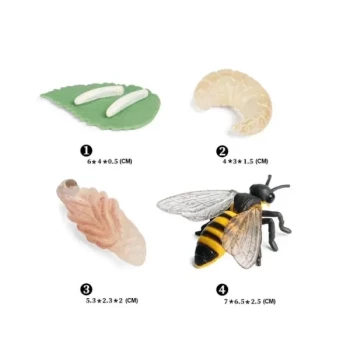
- Honey Bee Life Cycle Model 4 Stage Educational Set for Kids Learning
People Also Ask
- How do honey bees utilize water to regulate the internal temperature of the hive? Master Evaporative Cooling Methods
- Is it good to have honey bees in your yard? A Guide to Boosting Your Garden's Health
- What criteria should be considered in the selection process for honey bee breeding? Top Traits for Sustainable Apiaries
- What should be considered when learning the behavior of honey bees and their queens? Master Colony Management
- Why is maintaining specific relative humidity levels critical in caged honey bee experiments? Ensure Research Validity