High-concentration ethanol and low-temperature storage are strictly required to instantly halt biological decay. This dual-method approach rapidly fixes physical tissues and stops enzymatic activity. By creating an environment that inhibits microbial growth and chemical reactions, you ensure the sample remains in a state nearly identical to living tissue for accurate morphological and genetic analysis.
The combination of chemical fixation and thermal stability acts as a biological "pause button." It locks cellular structures in place and prevents the fragmentation of DNA, ensuring data reliability for both wing geometric morphometrics and genomic extraction.
The Role of High-Concentration Ethanol
High-concentration ethanol serves as the primary chemical preservative. It is not merely a storage medium; it is an active fixative agent.
Rapid Tissue Fixation
Ethanol penetrates biological tissues rapidly. This speed is critical for fixing biological tissues in their original state before decomposition can alter their physical shape. This structural rigidity is essential for ensuring the accuracy of physical measurements.
Inhibition of Enzyme Activity
Once inside the tissue, industrial-grade ethanol inhibits internal enzyme activity. Without this inhibition, the bee's own enzymes would begin to digest cells from the inside out. This process protects proteins from degradation and preserves the integrity of mitochondrial DNA (mtDNA).
The Role of Low Temperature
While ethanol addresses chemical stability, low temperatures address thermal and microbial stability.
Halting Microbial Growth
Storing samples at temperatures such as minus twenty degrees Celsius creates an environment hostile to bacteria and fungi. Even within ethanol, certain microbes can survive at room temperature; freezing ensures that microbial activity is effectively inhibited.
Preventing Chemical Reactions
Low temperatures slow down the kinetic energy of molecules. This prevents spontaneous chemical reactions that could degrade nucleic acids over time. By maintaining a consistent low temperature, you prevent the gradual breakdown of the sample's molecular structure.
Why This Matters for Analysis
The quality of your preservation directly dictates the quality of your data.
Wing Geometric Morphometrics
For morphometric analysis, the physical dimensions of the bee are paramount. Because high-concentration ethanol maintains the sample in a state close to living tissue, wing structures do not warp or decay. This ensures that geometric measurements reflect the true phenotype of the specimen.
Genomic DNA Extraction
Genetic analysis requires long, unbroken chains of DNA. By preventing protein degradation and enzyme activity, this storage method ensures genomic DNA remains intact. This is critical for sequencing experiments, where fragmented DNA can lead to poor quality data or failure.
Understanding the Trade-offs
While this method is robust, it is sensitive to environmental variables.
Temperature Fluctuations
Stability is key. Significant temperature fluctuations can restart chemical reactions that degrade nucleic acids. For long-term screenings conducted over multiple years, maintaining a stable thermal environment is necessary to ensure results remain reproducible.
Storage Duration vs. Temperature
While -20°C is sufficient for standard analysis, long-term biobanking often utilizes ultra-low temperatures (e.g., -80°C). However, for the specific goals of wing morphometrics and standard genomic extraction discussed here, -20°C combined with ethanol provides the necessary suppression of degradation.
Making the Right Choice for Your Goal
To maximize the value of your samples, align your storage protocols with your analytical endpoints.
- If your primary focus is Wing Geometric Morphometrics: Prioritize high-concentration ethanol to rapidly fix tissues and prevent physical warping of the wing structures.
- If your primary focus is Genomic DNA Extraction: prioritize the combination of ethanol and consistent freezing (-20°C) to stop enzymatic digestion of the mitochondrial DNA.
Consistently applying these preservation standards ensures that your biological samples remain a reliable source of truth for current and future research.
Summary Table:
| Preservation Method | Primary Function | Scientific Impact |
|---|---|---|
| High-Concentration Ethanol | Chemical fixation & enzyme inhibition | Prevents tissue warping and protects mitochondrial DNA |
| Low Temperature (-20°C) | Thermal stability & microbial halt | Stops chemical degradation and prevents bacterial/fungal growth |
| Dual-Method Approach | Biological "pause button" | Ensures samples remain nearly identical to living tissue for analysis |
Elevate Your Beekeeping Operations with HONESTBEE
Preserving the integrity of your honeybee samples is just the first step in successful apiary management. At HONESTBEE, we empower commercial apiaries and distributors with the tools they need to thrive. From high-precision beekeeping machinery and hive-making equipment to professional honey-filling machines and essential consumables, our comprehensive wholesale offering is designed to scale your business.
Whether you are looking to optimize your production line or stock premium hardware, our team is ready to provide tailored solutions for your specific needs. Contact us today to explore our full product range and see how our industry expertise can drive your success.
References
- Diego Armando Masaquiza Moposita, Amílcar Arenal. Use of Wing Geometric Morphometric Analysis and mtDNA to Identify Africanization of Apis mellifera in the Central Highlands of Ecuador. DOI: 10.3390/insects15080628
This article is also based on technical information from HonestBee Knowledge Base .
Related Products
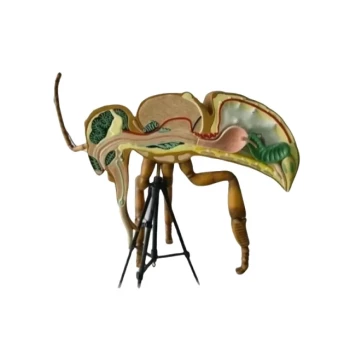
- HONESTBEE Anatomy Bee Model Detailed Anatomical Display for Education and Study
- HONESTBEE AC Powered Wire Embedder with Alligator Clips
- Assembled Wooden Bee Frames with Beeswax Foundation Ready to Use by HONESTBEE
- Honey Bee Lifecycle Model: A Detailed Honeycomb Display of Bee Development
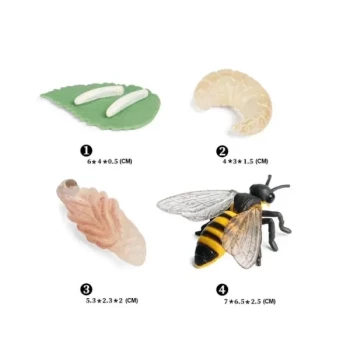
- Honey Bee Life Cycle Model 4 Stage Educational Set for Kids Learning
People Also Ask
- How do honey bees utilize water to regulate the internal temperature of the hive? Master Evaporative Cooling Methods
- Is it good to have honey bees in your yard? A Guide to Boosting Your Garden's Health
- What criteria should be considered in the selection process for honey bee breeding? Top Traits for Sustainable Apiaries
- What should be considered when learning the behavior of honey bees and their queens? Master Colony Management
- Why is maintaining specific relative humidity levels critical in caged honey bee experiments? Ensure Research Validity