Automated ventilation and heating systems provide a critical technological buffer against climate volatility by stabilizing the hive's internal environment. These systems utilize intelligent controllers to maintain precise temperature and humidity levels, preventing mass colony loss during harsh winters and erratic spring shifts. By automating climate control, industrial apiaries significantly reduce bee mortality and redirect honeybee energy from thermoregulation toward high-value breeding and foraging activities.
Transitioning to automated climate systems transforms the hive from a passive shelter into a controlled production environment. This ensures colony survival and consistent honey yields regardless of external weather extremes, providing a scalable solution for modern industrial beekeeping.
The Technical Impact on Colony Health and Productivity
Mitigating Mortality in Extreme Temperatures
Automated systems solve the primary challenge of overwintering survival by preventing lethal temperature drops within the cluster. Intelligent controllers monitor real-time data to activate heating elements before internal temperatures reach critical thresholds.
This protection extends to the early spring transition, where sudden cold snaps often kill emerging brood. By maintaining a steady thermal environment, the system ensures that the colony's growth trajectory remains uninterrupted by unpredictable weather.
Energy Optimization for Enhanced Yields
In a traditional hive, worker bees consume significant honey stores to generate heat through muscle vibration. Automated heating removes this metabolic burden, allowing the colony to preserve food stores for brood rearing.
When bees are not forced to focus on thermoregulation, they can dedicate more energy to foraging and hive maintenance. This shift in energy allocation directly correlates to higher honey production and stronger, more resilient colonies.
Industrial-Scale Advantages and Modernization
Precision Control through Intelligent Automation
Modern industrial apiaries require centralized management of thousands of units. Automated controllers allow operators to set specific parameters for humidity and temperature across the entire operation.
This level of precision eliminates the human error associated with manual hive adjustments. Consistent environmental conditions lead to more predictable outcomes, which is essential for large-scale commercial success.
Improving Efficiency in Resource-Scarce Regions
In areas where traditional honey crops are scarce, technological upgrades are the only way to maintain profitability. High-efficiency machinery allows smaller industrial farms to compete by maximizing the output of every hive.
Introducing advanced automation creates a more stable income stream for producers. By overcoming the limitations of low-efficiency traditional methods, these systems provide a path toward long-term economic sustainability.
Strategic Sourcing and Supply Chain Reliability
The Value of a Full-Spectrum Product Portfolio
For distributors, offering a complete range of climate control hardware is a major competitive advantage. Providing everything from sensors to heating elements simplifies the procurement process for the end-user.
A one-stop sourcing model ensures that all components are technically compatible. This reduces the likelihood of system failure and minimizes the technical support burden on the reseller.
Operational Speed: Delivery and Response Times
In the beekeeping industry, weather events are unpredictable, making ultra-fast delivery a necessity. Distributors must partner with suppliers who prioritize efficient order fulfillment to meet seasonal demands.
Rapid response times during the procurement phase allow apiaries to deploy systems before the onset of extreme weather. Deep professional expertise from the supplier side ensures that the right technical solution is matched to the specific regional climate challenge.
Understanding the Trade-offs and Challenges
Dependence on Power and System Connectivity
Automated systems rely on a consistent power source, which can be a challenge in remote apiary locations. Failure of the power grid or a battery system during a deep freeze can lead to rapid temperature drops.
Resellers must emphasize the importance of redundancy and backup power. Providing integrated solar or battery solutions alongside heating units is often necessary to ensure 24/7 protection.
Initial Capital Expenditure vs. Long-term ROI
The primary barrier to adoption is the higher initial cost compared to traditional wooden hives. Industrial apiaries must weigh the upfront investment against the reduction in colony replacement costs.
Technical advisors should focus on the Return on Investment (ROI) driven by increased honey yields and lower mortality rates. Over several seasons, the savings from preserved colonies typically far outweigh the equipment costs.
How to Integrate Climate Automation into Your Inventory
Recommendations for Distributors and Resellers
Effective distribution requires matching the right level of automation to the specific needs of the local market.
- If your primary focus is High-Latitude Markets: Prioritize heavy-duty heating elements and high-insulation hive components to combat extreme sub-zero winters.
- If your primary focus is Rapid Growth and Expansion: Emphasize intelligent controllers and automated ventilation that support early-season brood rearing and colony splits.
- If your primary focus is Operational Efficiency: Source "plug-and-play" kits that offer one-stop installation to reduce setup time for large industrial clients.
By leveraging advanced climate automation, industrial apiaries can decouple honey production from the whims of the weather, ensuring a more stable and profitable future.
Summary Table:
| Technical Challenge | Automated System Solution | Industrial Benefit |
|---|---|---|
| Extreme Cold | Intelligent heating elements | High overwintering survival |
| Energy Depletion | Reduced thermoregulation metabolic cost | Increased honey production |
| Climate Volatility | Real-time internal stabilization | Predictable breeding cycles |
| Manual Scaling | Centralized automated controllers | Reduced labor & human error |
Scale Your Success with HONESTBEE Industrial Solutions
For distributors and B2B resellers, reliability and speed are the cornerstones of a profitable partnership. HONESTBEE provides a comprehensive, one-stop sourcing platform designed for commercial apiaries. Our full-spectrum portfolio includes everything from intelligent climate controllers and hive-making machinery to specialized honey-filling equipment and essential consumables.
Why partner with us?
- Comprehensive Portfolio: Access all your beekeeping hardware and machinery in one place.
- Expertise & Support: Leverage our deep professional industry knowledge to solve technical challenges.
- Rapid Fulfillment: Benefit from ultra-fast delivery and rapid response times to meet seasonal demands.
- Distributor Advantage: Enhance your profit margins with our competitive wholesale offerings and reliable supply chain.
Ready to modernize your inventory? Contact us today to explore our wholesale solutions!
References
- Д.О. Сотніков, О.Р. Дубовський. Розробка комплексної інформаційної системи керування пасікою. DOI: 10.33216/1998-7927-2025-293-7-67-74
This article is also based on technical information from HonestBee Knowledge Base .
Related Products
- HONESTBEE AC Powered Wire Embedder with Alligator Clips
- 0.5T Capacity Honey Dehumidifier Dryer with Vacuum Heating and Thickening Filtering Machine
- Stainless Steel Round Beehive Air Vents for Ventilation
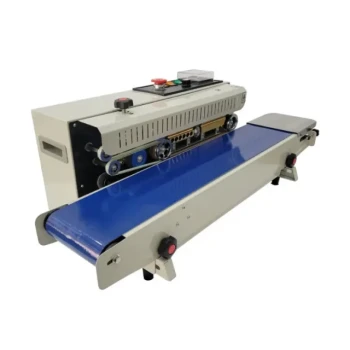
- Automatic Continuous Heat Sealing Machine
People Also Ask
- How can combs be further strengthened? Embed Wires for Durable, High-Yield Hives
- What is an embedder in beekeeping? Essential Tool for Strengthening Wax Foundation & Hive Frames
- Why must strict sanitary and health prevention protocols be implemented for honeybee transport? Maximize Colony Survival
- What are the primary indicators of healthy honeybee colonies? Optimize Your Commercial Apiary for Peak Productivity
- Why must honeybee samples be stored in high-concentration ethanol and low temperatures? Ensure Genetic & Physical Integrity