High-precision temperature sensors are the foundational components of modern precision apiculture. By providing real-time, non-invasive monitoring of the hive’s core brood area, these sensors allow managers to maintain the strict thermal stability—typically between 32°C and 36°C—essential for larval development and colony survival. They serve as a critical early-warning system, detecting thermal anomalies that signal disease, environmental stress, or predator activity long before they are visible to the naked eye.
Core Takeaway: High-precision sensors transform beehive management from reactive to proactive by using thermal data as a proxy for colony health, reproductive efficiency, and population strength. For distributors, offering these components means providing the "brain" of the modern smart hive.
Precision Thermal Regulation for Brood Success
Maintaining the 34–35°C Biological Threshold
Honeybees must actively maintain the brood area at a very narrow temperature range to ensure healthy development. High-precision sensors detect even slight deviations from this baseline, which can otherwise lead to developmental deformities or colony collapse.
Non-Invasive Population Assessment
Traditional hive inspections cause significant stress and heat loss, but digital temperature sensors allow for continuous monitoring without opening the hive. By analyzing the metabolic heat generated by the cluster, managers can accurately estimate the colony’s population size and activity levels remotely.
Safeguarding Reproductive Efficiency
Stable thermal environments are directly linked to the reproductive output of the queen and the longevity of the worker bees. Sensors strategically placed in the brood chamber ensure that the thermal regulation process remains optimal, protecting the next generation of the colony.
Early Warning Systems and Disease Detection
Identifying Pathogens and Toxic Exposure
A healthy colony’s ability to maintain a constant temperature is a key indicator of its vitality. If sensors record an inability to sustain heat, it often suggests the colony is weakened by pathogens or exposure to toxic substances, allowing for immediate intervention.
Automated Risk Warnings for Defensive Stress
An abnormal, sudden rise in internal hive temperature is frequently caused by defensive aggression during robbing conflicts or predator attacks. High-precision sensors capture these spikes instantly, triggering automated alerts that enable apiary managers to respond to threats in real-time.
Predictive Climate Adaptation
Extreme weather events can overwhelm a colony’s natural cooling or heating capabilities. By monitoring localized heat changes, beekeepers can implement timely interventions, such as adjusting ventilation or adding insulation, to prevent losses caused by climatic factors.
Understanding the Trade-offs and Technical Challenges
Precision vs. Durability in Corrosive Environments
While high-precision thermistors offer exceptional accuracy, the internal environment of a beehive is humid and contains corrosive substances like propolis and wax. Sensors must be robustly encapsulated to maintain accuracy over multiple seasons without being coated or damaged by the bees.
The Complexity of Data Interpretation
Raw temperature data requires sophisticated analysis to be useful, as external ambient temperatures naturally influence the hive. A minor temperature drop might simply be a cold night, or it could be the start of a colony collapse, requiring distributors to provide sensors that integrate easily into intelligent software platforms.
Placement Sensitivity
The effectiveness of the sensor is entirely dependent on its placement, usually on the back wall of the brood area. Incorrect installation can lead to "cold spots" or "false positives," making expert guidance and standardized mounting hardware essential for B2B clients.
High-Performance Sourcing for Professional Apiaries
How to Apply This to Your Project
To maximize the value of your product portfolio in the precision agriculture sector, your sourcing strategy should focus on reliability and integration.
- If your primary focus is rapid market entry: Source pre-calibrated, digital high-precision sensors that offer "plug-and-play" compatibility with existing IoT hive management platforms.
- If your primary focus is long-term reliability for commercial beekeepers: Prioritize sensors with industrial-grade housing and high resistance to humidity and biological debris to ensure multi-year lifespans.
- If your primary focus is comprehensive one-stop sourcing: Look for suppliers who offer a full spectrum of sensors—including humidity and weight scales—to provide a complete health-monitoring kit for your clients.
By integrating high-precision sensors into your inventory, you empower beekeepers to replace guesswork with data-driven certainty, ensuring the long-term viability of their colonies.
Summary Table:
| Feature | Impact on Colony Health | Key Technical Requirement |
|---|---|---|
| Thermal Stability | Ensures larval development (32°C–36°C) | High precision (±0.1°C) |
| Early Disease Detection | Identifies thermal anomalies from pathogens | Real-time data logging |
| Non-Invasive Monitoring | Reduces colony stress & heat loss | Remote IoT connectivity |
| Threat Alerts | Detects robbing & predator activity spikes | Rapid response sensitivity |
| Environmental Durability | Ensures long-term sensor accuracy | Propolis/corrosion-resistant housing |
Scale Your Business with HONESTBEE’s Precision Solutions
As a leading global supplier, HONESTBEE empowers distributors and B2B resellers with one-stop sourcing for the entire spectrum of beekeeping technology. Whether you need high-precision sensors for smart hives, advanced honey-filling machinery, or essential industry consumables, we deliver the reliability your commercial clients demand.
Why Partner with HONESTBEE?
- Comprehensive Portfolio: From specialized hive-making hardware to honey-themed cultural merchandise.
- B2B Excellence: High profit margins, OEM/ODM support, and full industry certifications.
- Rapid Fulfillment: Ultra-fast delivery and dedicated support to keep your supply chain seamless.
Contact HONESTBEE Today to access premium wholesale pricing and enhance your product portfolio with our deep professional expertise!
References
- V.V. Ivanyshyn, A.O. Moshensky. ONTOLOGICAL STRUCTURE AND PARAMETERS OF THE APIARY CONTROL SYSTEM MEASUREMENTS. DOI: 10.32782/2663-5941/2024.6.2/08
This article is also based on technical information from HonestBee Knowledge Base .
Related Products
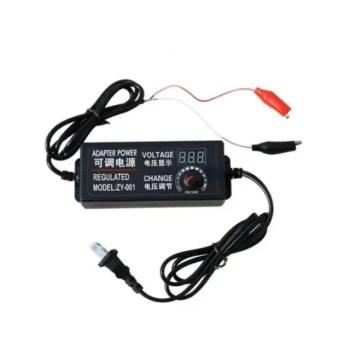
- HONESTBEE Adjustable Voltage Wire Embedder with Digital Display
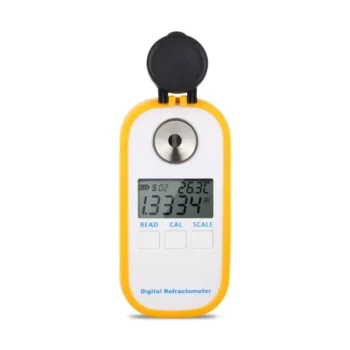
- Digital Honey Refractometer for Precision Measurement of Optimal Honey Quality
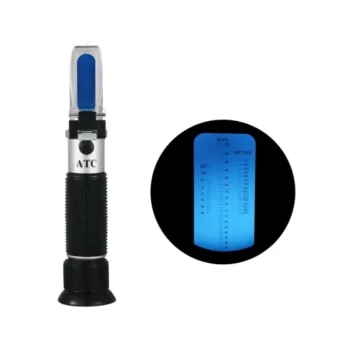
- Precision Honey Refractometer Instrument for Quality Assessment
People Also Ask
- How can combs be further strengthened? Embed Wires for Durable, High-Yield Hives
- What is an embedder in beekeeping? Essential Tool for Strengthening Wax Foundation & Hive Frames
- Why record environmental factors for Varroa tolerance? Separate Genetics from Climate to Identify Resilient Bee Colonies
- How does geographic location and temperature affect the timing of honeybee delivery? Ensure Successful Installation
- Why must honeybee colonies be selected based on specific breed standards for nutritional studies? Key to Data Integrity