Geographic location sets the general seasonal timeline, but local temperature dictates the precise safety of installation. While southern regions naturally receive bees earlier than northern climates, the universal requirement for a successful start is maintaining sustained temperatures above 45 degrees Fahrenheit.
A successful installation relies on aligning delivery with your region's warming trend to avoid fatal freezes. Without sustained warmth above 45°F, a new colony cannot consume the necessary liquid feed to survive its critical first weeks.
The Role of Geography in Scheduling
Latitude Determines Delivery Windows
Your specific geographic location is the primary factor in determining the ideal calendar date for receiving bees.
Suppliers schedule shipments based on regional climate zones. Consequently, beekeepers in southern regions will receive their bees significantly earlier in the year than those in northern regions.
The Risk of "Too Early" in the North
For northern beekeepers, there is often a temptation to start the season as early as possible. However, the primary reference suggests that avoiding early delivery is often the safer choice in these climates.
Rushing an installation in the north increases the probability of encountering a hard freeze, which can be catastrophic for a young colony.
The Critical Temperature Threshold
The 45-Degree Rule
Regardless of where you are located, the thermometer is your most important tool. You need sustained temperatures above 45 degrees Fahrenheit for a safe installation.
This is not just a suggestion for comfort; it is a physiological requirement for the bees' activity levels.
Importance of Liquid Feed
The primary reason for this temperature threshold is feeding. A newly installed colony does not have established food stores and must rely on supplemental liquid feed.
If temperatures drop below 45°F, bees become torpid and cannot break cluster to access the syrup. Without the ability to take this feed, a new package can starve very quickly.
Establishing Colony Cohesion
Temperature also impacts the social structure of the hive. Warmth allows the bees to move freely and establish colony cohesion.
A colony that has not yet bonded or established its brood nest is highly vulnerable to environmental stress.
Understanding the Trade-offs
New vs. Established Colonies
It is critical to distinguish between a new installation and an established hive. An established hive has honey stores and a large population to generate heat.
A new colony lacks these defenses. It has no food reserves and often lacks the "critical mass" required to survive a hard freeze without external warmth and feed.
The Cost of Freezing
The trade-off of ordering too early is the high risk of mortality. A hard freeze is often fatal to a fresh installation.
While an early start might seem advantageous for honey production, the risk of losing the entire colony to cold or starvation outweighs the potential benefits of a few extra weeks.
Making the Right Choice for Your Goal
To ensure your bees survive their first month, you must prioritize conditions over calendar dates.
- If your primary focus is Southern Beekeeping: Schedule your delivery early in the season, as your climate will likely sustain the required temperatures sooner.
- If your primary focus is Northern Beekeeping: Delay your delivery date to ensure the threat of hard freezes has passed and temperatures are consistently mild.
- If your primary focus is Colony Survival: Never install a package unless you are confident temperatures will remain above 45°F to allow for immediate feeding.
Patience is your best tool; waiting for the right temperature is always safer than risking a colony on a freezing spring night.
Summary Table:
| Factor | Southern Regions | Northern Regions |
|---|---|---|
| Delivery Window | Early Spring (February - March) | Late Spring (April - May) |
| Temperature Goal | Sustained >45°F | Sustained >45°F |
| Primary Risk | Tropical storms/early heat | Fatal hard freezes |
| Feeding Needs | Immediate liquid syrup | Vital liquid syrup access |
| Installation Priority | Early season buildup | Waiting for consistent warmth |
Scale Your Apiary Operations with HONESTBEE
Timing is everything in beekeeping, and having the right equipment is just as critical for colony survival. HONESTBEE supports commercial apiaries and distributors by providing a comprehensive wholesale range of professional-grade beekeeping tools and machinery.
Whether you need specialized hive-making machines to prepare for your next delivery, honey-filling machines for your harvest, or high-quality consumables to support new colonies, we deliver the durability and precision professionals demand.
Maximize your apiary’s productivity and ensure your installations are a success. Contact us today to explore our wholesale solutions!
Related Products
- HONESTBEE Adjustable Voltage Wire Embedder with Digital Display
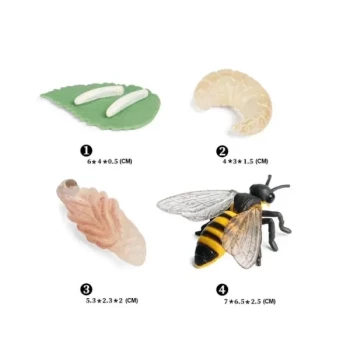
- Honey Bee Life Cycle Model 4 Stage Educational Set for Kids Learning
- HONESTBEE AC Powered Wire Embedder with Alligator Clips
- HONESTBEE Anatomy Bee Model Detailed Anatomical Display for Education and Study
- Honey Bee Lifecycle Model: A Detailed Honeycomb Display of Bee Development
People Also Ask
- How can combs be further strengthened? Embed Wires for Durable, High-Yield Hives
- What is an embedder in beekeeping? Essential Tool for Strengthening Wax Foundation & Hive Frames
- Why record environmental factors for Varroa tolerance? Separate Genetics from Climate to Identify Resilient Bee Colonies
- What are the consequences of disrupting the propolis envelope? Protect Your Beehive's Social Immunity
- Why replace honeybee populations during invasive predation? Maintain Apiary Stability & Maximize Honey Yields