Accurate evaluation requires context. The reproductive success of Varroa mites is heavily influenced by external conditions, making it impossible to judge honeybee tolerance in isolation. Recording climatic data is mandatory to determine if low infestation levels are due to the bees' genetic defense mechanisms or simply because the environment is physically inhibiting the mites.
To make valid breeding decisions, you must separate "nature" from "nurture." Documenting climate data allows you to distinguish between a colony's true genetic resistance and the temporary suppression of mite reproduction caused by environmental factors.
Distinguishing Genetics from Environment
Isolating True Resistance
The primary goal of evaluating honeybee colonies is often to identify genetic traits valuable for breeding.
Technicians look for specific behaviors, such as hygienic cleaning, where bees detect and remove infested brood.
Without environmental data, it is impossible to confirm if low mite counts are a result of this behavior or external luck.
The Masking Effect of Climate
External conditions can mimic the results of strong colony defense.
If the environment is hostile to mites, their population will decline regardless of the bees' genetic quality.
Failing to record these factors leads to false positives, where a colony is incorrectly labeled as "tolerant" or "resistant."
The Mechanics of Environmental Inhibition
Thermal Interference
Temperature plays a specific, physical role in mite survival that must be accounted for.
High environmental temperatures, specifically between 35°C and 38°C, act as a physical intervention factor.
This heat interferes with the physiological activity of Varroa mites, significantly reducing their ability to attach to the host and causing them to fall from the bees' bodies.
Seasonal Variability
Mite infestation levels naturally fluctuate across different seasons.
By documenting climate data, beekeepers can compare performance across these seasonal shifts.
This comparison is vital for judging whether a colony's defense mechanisms are consistent or merely effective during specific weather patterns.
Understanding the Trade-offs
The Risk of Misinterpretation
The biggest pitfall in mite evaluation is attributing environmental success to colony genetics.
If you select breeders based on low mite counts during a hot spell (35°C+), you may propagate genetics that have no actual resistance.
This leaves the lineage vulnerable once temperatures drop and the environmental inhibition is removed.
Complexity vs. Accuracy
Recording detailed climatic data adds a layer of complexity to apiary management.
However, relying solely on simple mite counts simplifies the process at the cost of data integrity.
You trade a small amount of administrative effort for a massive increase in the reliability of your breeding strategy.
Making the Right Choice for Your Goal
To apply this to your specific operation, consider your primary objective:
- If your primary focus is Genetic Breeding: You must correlate low mite counts with neutral weather conditions to ensure you are selecting for hygienic behavior, not heat tolerance.
- If your primary focus is Pest Control Strategy: Use temperature data to time physical interventions; natural mite drop is higher during hot periods (35°C-38°C), enhancing the efficiency of physical barriers.
True colony tolerance is only visible when you strip away the noise of environmental interference.
Summary Table:
| Factor | Impact on Varroa Mites | Significance for Breeding |
|---|---|---|
| High Temperature (35°C-38°C) | Inhibits physiological activity; mites fall from bees | Can lead to "false positive" tolerance ratings |
| Seasonal Shifts | Causes natural fluctuations in infestation levels | Distinguishes consistent defense from temporary trends |
| Environmental Humidity | Influences mite reproduction and survival rates | Helps isolate hygienic behavior from external luck |
| Resource Availability | Impacts colony strength and stress levels | Contextualizes the colony's ability to defend itself |
Elevate Your Apiary Strategy with HONESTBEE
Are you a commercial apiary or a distributor looking to improve colony resilience and operational efficiency? At HONESTBEE, we provide the professional-grade tools and machinery needed to translate data into results.
Our comprehensive wholesale range includes:
- Advanced Machinery: Hive-making and honey-filling machines to scale your production.
- Beekeeping Equipment: A full spectrum of high-quality tools for professional colony management.
- Industry Consumables: Essential supplies to keep your operations running smoothly year-round.
Don't let environmental variables compromise your breeding success. Partner with a supplier that understands the complexities of the beekeeping industry.
Contact HONESTBEE Today to Discuss Your Wholesale Needs
References
- Francisco Estevão Carneiro, Geraldo Moretto. <b> Reproductive ability and level of infestation of the <i>Varroa destructor</i> mite in <i>Apis mellifera</i> apiaries in Blumenau, State of Santa Catarina, Brazil </b> - doi: 10.4025/actascibiolsci.v36i1.20366. DOI: 10.4025/actascibiolsci.v36i1.20366
This article is also based on technical information from HonestBee Knowledge Base .
Related Products
- HONESTBEE Adjustable Voltage Wire Embedder with Digital Display
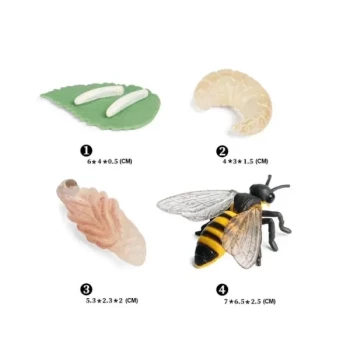
- Honey Bee Life Cycle Model 4 Stage Educational Set for Kids Learning
- HONESTBEE AC Powered Wire Embedder with Alligator Clips
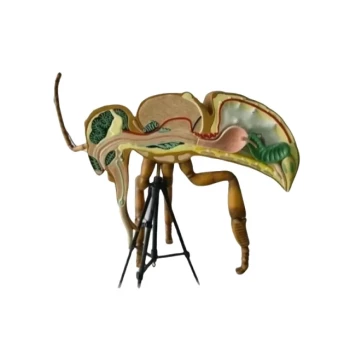
- HONESTBEE Anatomy Bee Model Detailed Anatomical Display for Education and Study
- Honey Bee Lifecycle Model: A Detailed Honeycomb Display of Bee Development
People Also Ask
- How can combs be further strengthened? Embed Wires for Durable, High-Yield Hives
- What is an embedder in beekeeping? Essential Tool for Strengthening Wax Foundation & Hive Frames
- Why must honeybee colonies be selected based on specific breed standards for nutritional studies? Key to Data Integrity
- How does geographic location and temperature affect the timing of honeybee delivery? Ensure Successful Installation
- What are the consequences of disrupting the propolis envelope? Protect Your Beehive's Social Immunity