Selecting honeybee colonies based on specific breed standards is the critical first step in establishing a reliable experimental model for nutritional studies. This process ensures genetic consistency and phenotypic stability, eliminating the physiological deviations often caused by crossbreeding. By standardizing the breed, researchers guarantee that data regarding protein feed accumulation and consumption accurately reflects the true behavioral patterns and biological requirements of the specific honeybee type under investigation.
In nutritional studies, the integrity of your data relies on the stability of your subject. Adhering to breed standards eliminates genetic noise, ensuring that observed behavioral patterns are a result of your experimental conditions rather than biological anomalies.
The Science of Biological Standardization
Eliminating Genetic Variables
When establishing an experimental model, the goal is to isolate specific variables. If colonies are not selected based on strict breed standards, you introduce uncontrolled genetic diversity.
This lack of uniformity leads to physiological deviations. These deviations can skew data, making it impossible to determine if a nutritional outcome is due to the feed or the bees' inherent genetic makeup.
Ensuring Phenotypic Stability
Phenotypic stability refers to the consistent expression of physical and behavioral traits. By selecting for breed standards, you ensure that all subjects in the experiment look and act in a predictable manner.
This stability is vital for interpreting biological requirements. It allows you to confidently assert that the consumption patterns observed are typical for that breed, rather than an outlier caused by a genetic mix.
Accurate Nutritional Profiling
Nutritional studies often measure protein feed accumulation and consumption. Different breeds may have different baseline requirements or foraging behaviors.
Using a standardized breed ensures that these measurements reflect the typical behavioral patterns of that specific group. This accuracy is essential for establishing valid nutritional baselines and guidelines.
Complementary Standardization Factors
Hardware Uniformity
While genetic standardization handles the "software" (the bees), you must also standardize the "hardware" (the hive configuration).
Supplementary best practices suggest configuring colonies with a set number of components, such as two standard framed broods. This ensures that nursing requirements and foraging demands are mechanically consistent across all groups.
Regulating Colony Strength
Standardizing hardware helps maintain uniform colony strength.
By ensuring all hives start with the same physical capacity, you eliminate potential data bias caused by variations in hive vitality. This allows for a direct comparison of how different biological subjects respond to flowering periods.
Common Pitfalls to Avoid
Confusing Hardware for Biology
A common error is assuming that standardized hardware (e.g., identical hive boxes) compensates for genetic inconsistency.
Even with identical hive configurations, crossbreeding deviations will still produce erratic data. You cannot engineer your way out of biological inconsistency; you must select for it at the breed level.
Ignoring the "Empty Hive" Variable
Another pitfall is failing to establish the colony quickly enough.
To prevent hives from remaining vacant, it is critical to use honey attractants. This utilizes the natural foraging instinct to induce rapid colonization, ensuring the model is stable before the primary flowering season begins.
Making the Right Choice for Your Goal
To ensure your nutritional study yields publication-grade data, apply these selection criteria based on your specific focus:
- If your primary focus is Nutritional Accuracy: Prioritize strict breed standards to ensure that protein feed consumption data reflects the true biological needs of the species, free from crossbreeding noise.
- If your primary focus is Comparative Analysis: Ensure hardware uniformity (e.g., standardized framed broods) to eliminate hive vitality as a variable when comparing the responses of different species to flowering periods.
True experimental control is achieved only when the biological subject is as consistent as the laboratory equipment used to study it.
Summary Table:
| Standardization Factor | Primary Purpose | Scientific Impact |
|---|---|---|
| Breed Standards | Eliminate genetic noise | Ensures phenotypic stability and accurate biological profiling |
| Genetic Consistency | Prevent crossbreeding deviations | Guarantees that feed consumption data is breed-specific |
| Hardware Uniformity | Standardize hive configuration | Eliminates hive vitality and physical capacity as variables |
| Colony Strength | Regulate nursing/foraging demand | Allows direct comparison of biological responses to flowering |
| Honey Attractants | Rapid colonization | Prevents 'empty hive' variables and stabilizes the model early |
Elevate Your Apiary's Performance with HONESTBEE
At HONESTBEE, we understand that precision is the foundation of successful beekeeping, whether for experimental research or commercial honey production. We provide commercial apiaries and distributors with a comprehensive wholesale offering designed to meet the highest industry standards.
Our extensive portfolio includes:
- Advanced Machinery: Hive-making and honey-filling machines for seamless operations.
- Professional Hardware: A full spectrum of specialized beekeeping tools and standardized equipment.
- Essential Consumables: Everything your colonies need to thrive across the seasons.
- Cultural Merchandise: Unique honey-themed products to expand your market reach.
Partner with us to secure high-quality supplies that guarantee consistency and efficiency. Contact us today to discuss your wholesale needs and discover how HONESTBEE can support your growth in the beekeeping industry.
References
- O. A. MISHCHENKO, K. D. AFARA. PROVIDING THE BEE COLONY WITH PROTEIN FOOD. DOI: 10.46913/beekeepingjournal.2022.9.10
This article is also based on technical information from HonestBee Knowledge Base .
Related Products
- HONESTBEE Adjustable Voltage Wire Embedder with Digital Display
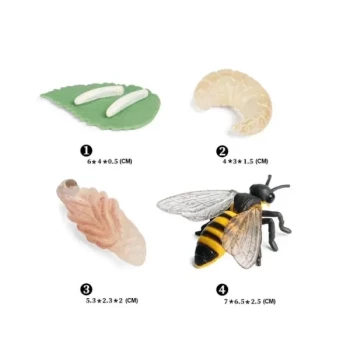
- Honey Bee Life Cycle Model 4 Stage Educational Set for Kids Learning
- HONESTBEE AC Powered Wire Embedder with Alligator Clips
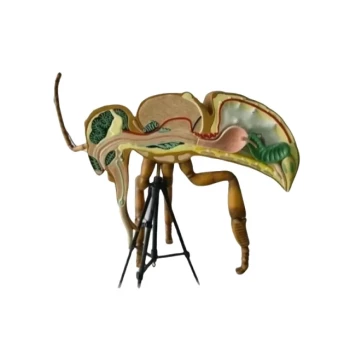
- HONESTBEE Anatomy Bee Model Detailed Anatomical Display for Education and Study
- Honey Bee Lifecycle Model: A Detailed Honeycomb Display of Bee Development
People Also Ask
- How can combs be further strengthened? Embed Wires for Durable, High-Yield Hives
- What is an embedder in beekeeping? Essential Tool for Strengthening Wax Foundation & Hive Frames
- Why record environmental factors for Varroa tolerance? Separate Genetics from Climate to Identify Resilient Bee Colonies
- Why replace honeybee populations during invasive predation? Maintain Apiary Stability & Maximize Honey Yields
- How does geographic location and temperature affect the timing of honeybee delivery? Ensure Successful Installation