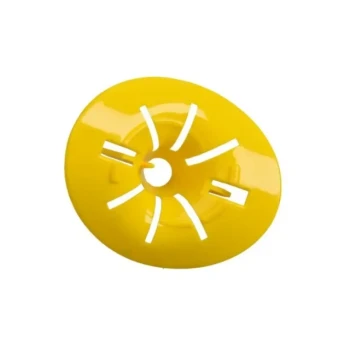
Industrial pollen traps function as precise mechanical filters installed at the hive entrance to rigorously control a colony's nutritional intake. By forcing returning foragers to pass through a specifically calibrated aperture grid—often utilizing star-shaped or geometric holes—these devices physically strip pollen pellets from the bees' hind legs before they can enter the hive. In experimental settings, this is not done to harvest pollen for sale, but to intentionally deprive the colony of natural forage so they consume a controlled substitute diet instead.
The central function of these traps in research is to eliminate the "nutritional noise" of the environment. By intercepting natural pollen, researchers force bees to rely on artificial diets containing specific treatments, ensuring that any observed effects are due to the experiment—such as pesticide dosage—rather than random variations in wild forage.
The Mechanics of Interception
The Aperture Grid System
The core mechanism is a physical barrier placed directly at the hive entrance. This barrier consists of a grid or plastic plate featuring precisely calculated apertures.
Physical Stripping of Pellets
As foraging bees attempt to enter the hive, they are forced to squeeze through these specific openings. The geometry of the holes is designed to brush against the bees' legs, dislodging the pollen pellets they have collected in the field.
Collection and Isolation
Once dislodged, the pollen falls into a dedicated collection tray, effectively isolating it from the colony. High-quality traps often utilize dry collection trays to reduce moisture, preventing microbial contamination and preserving the biochemical integrity of the samples if they are to be analyzed later.
The Strategic Role in Experimental Design
Enforcing Dietary Substitution
The primary reference highlights that the goal in field experiments is often to induce the colony to feed on a substitute diet provided by researchers. By preventing natural pollen from reaching the food stores, the colony is forced to consume the experimental patties to survive.
Ensuring Uniform Exposure
In toxicology studies, researchers often add specific doses of pesticides to the substitute diet. Pollen traps ensure that the bees' primary protein source is the dosed patty, guaranteeing that the exposure levels are uniform across the colony.
Eliminating Variable Interference
Natural nutritional intake varies wildly between colonies based on which flowers they visit. This variability can skew data. Industrial traps standardize the environment by removing these differences, creating a "blank slate" for the experiment.
Operational Considerations and Trade-offs
Precision vs. Injury
The diameter of the grid holes requires a delicate balance. They must be tight enough to strip pollen efficiently but precise enough to allow the bee to pass without causing physical injury to the legs or wings.
Nutritional Stress Management
While necessary for the experiment, depriving a colony of natural pollen places significant stress on the hive, particularly on nurse bees and larval development. Researchers must carefully monitor the colony to ensure the artificial diet provides sufficient nutrition to prevent total colony collapse during the study.
Making the Right Choice for Your Research
To effectively utilize pollen traps in your experimental operations, align the device's function with your specific research goals:
- If your primary focus is Toxicology: Use the trap to create a "closed system" where the only protein source available is your dosed experimental diet, ensuring accurate exposure data.
- If your primary focus is Nutritional Analysis: Use the trap to completely exclude wild pollen, allowing you to test the specific impact of single-variable diet formulations on larval development.
By strictly controlling the input of external resources, you transform a chaotic field environment into a controlled laboratory setting, ensuring your data reflects the variable you are testing rather than the randomness of nature.
Summary Table:
| Feature | Mechanism | Experimental Purpose |
|---|---|---|
| Aperture Grid | Calibrated geometric holes | Physical stripping of pollen pellets from foragers' legs |
| Collection Tray | Isolated storage compartment | Prevents pollen from entering hive stores/nutritional noise |
| Dietary Control | Enforced substitution | Forces colony reliance on specific experimental or dosed diets |
| Data Integrity | Standardization | Eliminates environmental variables for uniform toxicology/nutrition data |
Elevate Your Apiary Operations with HONESTBEE
At HONESTBEE, we understand the precision required by commercial apiaries and distributors. Whether you are conducting rigorous field research or scaling commercial honey production, we provide a comprehensive wholesale range of professional beekeeping tools, specialized hive-making machinery, and high-efficiency honey-filling equipment.
From essential consumables to advanced hardware, our portfolio is designed to bring industrial-grade reliability to your business. Let us help you eliminate variables and maximize output with our expert solutions.
Ready to scale your beekeeping business? Contact HONESTBEE Today for Custom Wholesale Solutions
References
- Sainath Suryanarayanan. Balancing Control and Complexity in Field Studies of Neonicotinoids and Honey Bee Health. DOI: 10.3390/insects4010153
This article is also based on technical information from HonestBee Knowledge Base .
Related Products
- Removable Plastic Pollen Trap With Ventilated Tray for Bees Pollen Collector
- 30 cm Plastic Entrance Hole Bee Pollen Trap and Collector
- Plastic Bee Pollen Trap Strips Comb Catcher Collector
- High-Efficiency Diamond Maze Bee Escape for Clearing Supers
- Professional Multi-Component Bucket Wasp Trap
People Also Ask
- What are the design principles and advantages of pollen traps in the collection of bee pollen? Boost Your Apiary Yield
- What is the function of professional pollen traps in evaluating honey plants? Quantifying Pollination and Crop Potential
- What functions do pollen traps serve for bee bread production? Optimize Your Raw Material Collection
- What maintenance and pest prevention measures should be taken for pollen traps? Protect Your Hive and Harvest Quality
- How does the use of pollen traps in honeybee hives enhance crop fertilization? Boost Your Yield Through Induced Activity