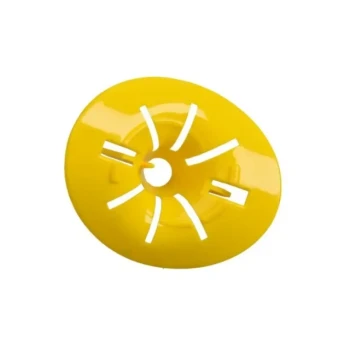
Installing a pollen trap typically results in a measurable decrease in honey production. While the trap allows you to harvest pollen, it triggers a behavioral response in the colony that forces the bees to divert labor away from nectar collection to compensate for the perceived loss of protein.
Core Insight: A bee colony operates on a supply-and-demand economy. When a trap intercepts incoming pollen, the colony senses a deficit and reallocates its workforce, shifting bees from nectar collection to pollen collection, directly reducing the potential honey harvest.
The Mechanism of Reduced Productivity
The Workforce Shift
The primary driver of reduced honey yield is not the trap itself, but the colony's reaction to it.
When a trap is active, the amount of pollen entering the hive drops significantly.
To compensate for this loss, the colony instinctively increases the size of its pollen-collecting workforce.
Because the total number of foragers is finite, this increase in pollen gatherers causes a corresponding decrease in the nectar-collecting workforce, leading to less honey production.
Physical Congestion
Beyond labor allocation, the physical presence of the trap can create bottlenecks.
Some beekeepers report that the trap causes congestion at the hive entrance, which physically slows the movement of foragers entering and exiting.
This "traffic jam" reduces the number of successful foraging trips a bee can make in a day.
Orientation Disruption
Installing a trap alters the configuration of the hive entrance.
This change can disrupt the bees' flight patterns, causing them to spend energy and time re-orienting themselves rather than foraging.
This disruption is particularly acute for the first several days following the trap's deployment.
Critical Implementation Strategies
Understanding Top Entrance Traps
If you are utilizing a top entrance pollen trap, proper preparation is essential to avoid severely impacting productivity.
A colony accustomed to a bottom entrance cannot instantly adjust to a top entrance with a trap installed simultaneously.
The Acclimation Rule
To mitigate confusion, you must establish the top entrance one to two weeks before installing the trap.
Allowing the bees to use this new entrance without the obstruction of the trap first ensures they are fully oriented to the new location.
Only once they are acclimated should the actual trap mechanism be introduced.
Making the Right Choice for Your Goal
Whether you use a pollen trap depends entirely on your production priorities for the season.
- If your primary focus is maximum honey production: Avoid using pollen traps during peak nectar flows, as the labor shift will directly reduce your yield.
- If your primary focus is harvesting pollen: Accept that honey yields will drop, and ensure you acclimate bees to any entrance changes for two weeks to minimize physical disruption.
By anticipating the colony's workforce shift, you can make an informed decision that aligns with your harvest goals.
Summary Table:
| Impact Factor | Effect on Productivity | Mechanism/Reason |
|---|---|---|
| Workforce Allocation | Decrease in Honey Yield | Foragers shift from nectar collection to pollen collection to cover deficits. |
| Hive Traffic | Reduced Foraging Trips | Physical bottlenecks at the entrance slow down bee movement and efficiency. |
| Flight Orientation | Temporary Disruption | Changes to the entrance require bees to spend time re-orienting rather than foraging. |
| Acclimation | Mitigation of Stress | Establishing new entrances 1-2 weeks early reduces confusion and labor loss. |
Maximize Your Apiary's Potential with HONESTBEE
Whether you are scaling up honey production or diversifying into pollen harvesting, HONESTBEE provides the industrial-grade tools you need to succeed. As a leading partner for commercial apiaries and global distributors, we offer a comprehensive wholesale portfolio—from precision-engineered hive-making and honey-filling machinery to high-quality beekeeping consumables.
Don't let inefficient equipment hinder your colony's productivity. Contact HONESTBEE today to discover how our professional hardware and expert solutions can streamline your operations and boost your bottom line.
Related Products
- Removable Plastic Pollen Trap With Ventilated Tray for Bees Pollen Collector
- 30 cm Plastic Entrance Hole Bee Pollen Trap and Collector
- Plastic Bee Pollen Trap Strips Comb Catcher Collector
- 8 Frame and 10 Frame Propolis Trap Collector Screen for Propolis Collection
- Professional Bucket Style Wasp and Moth Pheromone Trap
People Also Ask
- What are the design principles and advantages of pollen traps in the collection of bee pollen? Boost Your Apiary Yield
- What is the function of professional pollen traps in evaluating honey plants? Quantifying Pollination and Crop Potential
- What functions do pollen traps serve for bee bread production? Optimize Your Raw Material Collection
- What maintenance and pest prevention measures should be taken for pollen traps? Protect Your Hive and Harvest Quality
- How does the use of pollen traps in honeybee hives enhance crop fertilization? Boost Your Yield Through Induced Activity