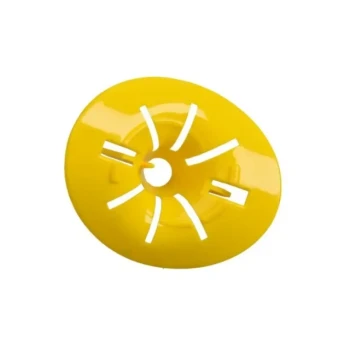
The primary function of a pollen trap is to mechanically strip pollen pellets from the hind legs of returning worker bees using a specialized physical barrier installed at the hive entrance. This device enables the automated, non-destructive harvesting of raw bee pollen by separating it from the insect and collecting it into a designated tray without causing harm to the bee.
Core Insight: A pollen trap acts as a selective filter, balancing the extraction of high-quality commercial ingredients with the biological needs of the hive. It allows beekeepers to harvest significant yields—up to 36kg per colony annually with optimized designs—while ensuring the workforce remains unharmed.
How the Mechanism Works
The efficacy of a pollen trap relies on simple but precise mechanical engineering designed to intercept foragers as they return to the hive.
The Physical Barrier
The core component is a grid or mesh containing precisely sized apertures. These holes are large enough for a worker bee to squeeze through to enter the hive, but small enough to create friction against their hind legs.
Separation and Collection
As the bee navigates the barrier, the physical obstruction gently scrapes the pollen pellets off their legs. Gravity then does the rest; the loose pellets fall through a screen into a collection tray or box below, effectively separating the harvest from the bees.
Impurity Reduction
By intercepting the pollen at the entrance, the trap prevents the introduction of internal hive debris into the harvest. This ensures the initial purity of the raw material, providing a cleaner foundation for subsequent processing into health food ingredients.
Strategic Value for Beekeepers
Beyond simple collection, the pollen trap serves as a critical tool for hive management and commercial scalability.
Automated Efficiency
The device transforms harvesting into a passive, automated process. High-performance traps can significantly increase annual yield without requiring the beekeeper to manually intervene with individual bees, making commercial-scale production viable.
Non-Destructive Monitoring
Because the process does not harm the insect, it allows for continuous monitoring of the colony's foraging habits. By analyzing the trapped pollen, beekeepers can assess the types of flora the bees are visiting and the quality of resources available in the agricultural landscape.
Understanding the Trade-offs
While pollen traps are efficient, they must be used with a clear understanding of the biological costs to the colony.
Balancing Harvest and Hive Health
Pollen is the colony's primary protein source. A properly designed trap intercepts only a specific portion of the incoming pollen load. It is critical that the trap does not capture 100% of the pollen, as this would deplete the colony's essential nutritional reserves and stall development.
Timing and Usage
To maximize collection without stressing the bees, traps are most effective during peak foraging periods, typically between 6:00 AM and 11:00 AM. deploying them strictly during high-flow times ensures the colony can still gather enough food for its own survival during off-hours or on days when the trap is removed.
Making the Right Choice for Your Goal
When integrating pollen traps into your apiary management, align your usage with your specific objectives.
- If your primary focus is Commercial Production: Prioritize high-performance traps with optimized aperture designs to maximize yield and minimize debris, targeting up to 36kg per colony.
- If your primary focus is Colony Sustainability: Ensure your trap schedule is intermittent or that the trap design allows a sufficient percentage of pollen to bypass the grid to feed the brood.
- If your primary focus is Environmental Monitoring: Use the trap to sample pollen diversity, giving you data on local plant health and bloom cycles without disrupting the colony's lifecycle.
Successful pollen harvesting is not just about the mechanism of removal, but the precise management of the colony's nutritional balance.
Summary Table:
| Feature | Description | Benefit |
|---|---|---|
| Physical Barrier | Precision-sized apertures/mesh | Strips pollen pellets from bees' legs safely |
| Gravity-Fed Tray | Screened collection box at hive base | Ensures clean, automated separation from debris |
| Selective Filtering | Calibrated design for partial capture | Balances commercial harvest with colony nutrition |
| Yield Potential | Optimized high-performance designs | Enables harvest of up to 36kg per colony annually |
Scale Your Apiary Production with HONESTBEE
Are you looking to enhance your commercial efficiency? HONESTBEE specializes in empowering commercial apiaries and distributors with high-performance beekeeping machinery and tools.
From advanced pollen traps and honey-filling machines to custom hive-making hardware and essential consumables, we provide the full spectrum of equipment needed to succeed in the modern beekeeping industry. Our expertise ensures your operation maximizes yield while protecting the health of your workforce.
Ready to upgrade your equipment? Contact us today to discover our wholesale offerings and professional-grade beekeeping solutions!
References
- П. Парванов, D. Dinkov. Proposals for desiccated bee pollen production and labeling.. DOI: 10.35841/nutrition-human-health.1.2.13-16
This article is also based on technical information from HonestBee Knowledge Base .
Related Products
- Removable Plastic Pollen Trap With Ventilated Tray for Bees Pollen Collector
- 30 cm Plastic Entrance Hole Bee Pollen Trap and Collector
- Plastic Bee Pollen Trap Strips Comb Catcher Collector
- 8 Frame and 10 Frame Propolis Trap Collector Screen for Propolis Collection
- Professional Bucket Style Wasp and Moth Pheromone Trap
People Also Ask
- What are the design principles and advantages of pollen traps in the collection of bee pollen? Boost Your Apiary Yield
- What is the function of professional pollen traps in evaluating honey plants? Quantifying Pollination and Crop Potential
- What functions do pollen traps serve for bee bread production? Optimize Your Raw Material Collection
- What maintenance and pest prevention measures should be taken for pollen traps? Protect Your Hive and Harvest Quality
- How does the use of pollen traps in honeybee hives enhance crop fertilization? Boost Your Yield Through Induced Activity