Measuring scales serve as the primary instrumentation for converting the biological activity of Indian honeybee (Apis cerana indica) colonies into standardized, quantifiable data. Specifically, these tools measure the physical dimensions of comb contents—brood, pollen, and nectar—to calculate surface areas in square centimeters, while also assessing overall colony mass.
Core Insight: The use of measuring scales transforms subjective observations of hive activity into precise numerical values. By quantifying the surface area of reproductive and food storage zones, researchers can statistically correlate colony health with environmental fluctuations like temperature and humidity.
Quantifying Internal Colony Status
Measuring Reproductive Intensity
The primary function of measuring scales in this context is to determine the exact length and width of brood areas on honeycomb frames.
By converting these linear measurements into square centimeters ($cm^2$), you generate a precise value for the colony's reproductive rate. This data point is essential for tracking population growth or decline over specific time intervals.
Assessing Food Security
Scales are similarly used to measure the surface area of pollen and nectar stores within the hive.
These measurements provide a direct index of the colony's nutritional reserves. This data reveals how well the colony is prepared to endure periods of dearth or high metabolic demand.
Correlating Biology with Climate
The precise surface area data collected allows for rigorous statistical analysis against climatic variables.
By overlaying biological measurements with temperature and humidity logs, you can isolate exactly how climatic fluctuations drive changes in colony productivity and health.
Monitoring Whole-Colony Dynamics
Tracking Daily Foraging Capacity
High-precision weighing scales monitor the colony by recording 24-hour weight fluctuations.
These changes indicate the daily net gain from foraging. A steady increase signals successful nectar collection, while unexpected drops can trigger alarms for theft, predator attacks, or swarming events.
Evaluating Overwintering Survival
Mechanical hanging scales are utilized to measure total hive weight before and after the winter season.
This "in-and-out" weighing method allows for a quantitative analysis of feed consumption. Significant weight loss during this period often indicates high metabolic consumption or a reduction in colony biomass, serving as a key metric for survival success.
Verifying Economic Yield
Industrial precision scales measure the total honey yield harvested during the production season.
This provides an objective metric for colony strength. It validates the economic value of specific bee breeds and allows for correlation with genetic markers in commercial breeding programs.
The Role of Standardization
Eliminating Structural Bias
To ensure measurements are accurate, colonies are often housed in standardized ISI-8 beehives.
This consistent physical configuration ensures that internal micro-environments are uniform across different geographic locations. It eliminates variables caused by hive structure, ensuring that changes in measured weight or surface area are due to biological factors, not equipment differences.
Understanding the Trade-offs
Invasive vs. Non-Invasive Monitoring
Measuring frame surface areas (brood/pollen) provides granular detail but is invasive, requiring the hive to be opened and the bees disturbed.
Conversely, whole-hive weighing is non-invasive and continuous but lacks detail regarding why the weight changed (e.g., it cannot distinguish between increased brood weight vs. increased honey storage).
Granularity vs. Efficiency
Surface area measurements ($cm^2$) offer the highest fidelity data for biological research but are labor-intensive to collect.
Total weight measurement is highly efficient for commercial management but may mask underlying issues, such as a failing queen, until the total biomass drops significantly.
Making the Right Choice for Your Goal
To select the appropriate measurement strategy for your Apis cerana indica monitoring:
- If your primary focus is biological research or breeding: Prioritize linear measuring scales to calculate specific surface areas ($cm^2$) of brood and pollen, as this reveals the precise health and reproductive status of the colony.
- If your primary focus is commercial production: Prioritize high-precision hive scales to monitor total weight fluctuations, honey yield, and security without disrupting the bees.
- If your primary focus is overwintering management: Use mechanical hanging scales to track biomass loss and feed consumption rates to prevent starvation.
Effective monitoring requires matching the precision of your scale to the depth of biological insight you require.
Summary Table:
| Metric Category | Measurement Method | Data Output | Key Application |
|---|---|---|---|
| Reproduction | Linear scales on frames | $cm^2$ Brood Area | Tracking population growth & queen fertility |
| Nutrition | Linear scales on frames | $cm^2$ Pollen/Nectar | Assessing food security & dearth resilience |
| Foraging | High-precision platform scales | Daily Weight $\Delta$ | Monitoring nectar flow & alert for swarming |
| Wintering | Mechanical hanging scales | Total Biomass Loss | Calculating feed consumption & survival rates |
| Production | Industrial precision scales | Total Honey Yield | Verifying economic value & breeding success |
Maximize Your Colony Productivity with HONESTBEE
At HONESTBEE, we understand that precision is the foundation of successful beekeeping. Whether you are managing a commercial apiary or distributing equipment, we provide the industrial-grade tools you need to quantify success.
Our comprehensive wholesale portfolio includes:
- Advanced Machinery: From high-capacity honey-filling machines to precision hive-making equipment.
- Professional Tools: A full spectrum of beekeeping hardware designed for durability and accuracy.
- Industry Consumables: Every essential needed to maintain healthy, productive colonies.
Empower your business with data-driven insights and premium equipment. Contact HONESTBEE today to discuss our wholesale offerings and let us help you scale your honey production efficiently.
References
- Manoj Kumar Painkra, Yogesh Nag. Influence of Weather Parameters on Colonies Performance Parameters of Indian Bee, Apis cerena indica. DOI: 10.20546/ijcmas.2017.611.281
This article is also based on technical information from HonestBee Knowledge Base .
Related Products
- Modern Flat-Mount Hive Number Set for Beekeeping
- Automatic Heat Preservation 6 Frame Pro Nuc Box for Honey Bee Queen Mating
- Professional Large-Format Hive Number Set for Beekeeping
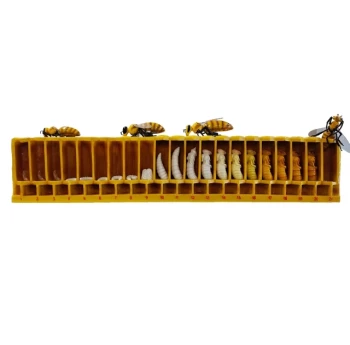
- Honey Bee Lifecycle Model: A Detailed Honeycomb Display of Bee Development
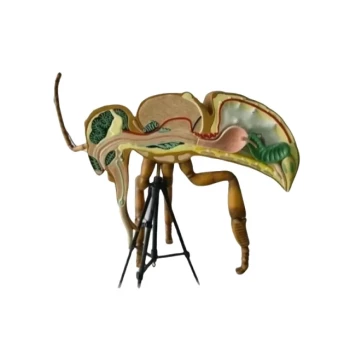
- HONESTBEE Anatomy Bee Model Detailed Anatomical Display for Education and Study
People Also Ask
- What is the impact of regular technical extension contact on the management of modern beekeeping hives? Enhance Hive Efficiency
- What are the primary advantages of modern beekeeping hives? Scale Your Apiary with Industrial Efficiency
- What are the structural and management advantages of modern beekeeping hives? Scale Your Honey Yields Today
- Why should the promotion of modern beekeeping hives be integrated with professional beekeeping tool kits and technical support?
- Why do forest beekeepers consider transitioning from traditional bark hives? Modernizing for Sustainable Yields