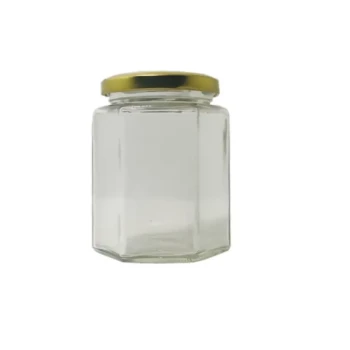
Screw-cap dark storage containers maintain honey's microbial integrity by providing a hermetic seal against environmental contamination and blocking harmful light radiation. These specialized containers prevent the introduction of foreign fungi and bacteria while shielding the honey’s delicate DNA chains from photochemical degradation. By stabilizing the moisture content and internal environment, they ensure that the fungal composition and abundance ratios remain a true reflection of the honey’s geographical origin.
To maintain the integrity of honey samples, distributors must utilize containers that combine airtight mechanical sealing with UV-blocking properties. This dual-layer protection prevents both external contamination and internal biochemical shifts, ensuring the sample remains representative of its source.
Maintaining Biological Purity Through Mechanical Sealing
Eliminating Environmental Cross-Contamination
The screw-cap mechanism creates a high-pressure seal that acts as a physical barrier against airborne microorganisms. This prevents secondary contamination from molds, yeasts, and pathogens that could otherwise skew laboratory results and regulatory compliance tests.
Preserving Volatile Flavor Compounds
Beyond microbial protection, the airtight seal prevents the volatilization of flavor compounds. By keeping these compounds trapped within the container, the honey maintains its original sensory profile, which is essential for accurate B2B quality assessments.
Preventing Moisture-Induced Fermentation
Honey is highly hygroscopic, meaning it naturally absorbs moisture from the atmosphere. A secure screw-cap prevents water absorption, which is the leading cause of fermentation and the subsequent growth of unwanted microbial colonies in stored samples.
Blocking Photochemical Degradation with Dark Materials
Protecting Organic Components and DNA
Dark materials are engineered to block light-induced reactions that can damage organic components and DNA chains within the honey. This protection is critical for researchers and distributors who rely on DNA sequencing to verify the botanical and geographical origin of the product.
Suppressing Oxidative Reactions
Exposure to light can trigger oxidation and enzymatic browning, altering the biochemical baseline of the honey. Dark containers minimize this risk, ensuring that the microbial and biochemical profiles remain stable from the point of field collection through to the final analysis.
Maintaining Fungal Abundance Ratios
By neutralizing the impact of light, these containers ensure that the fungal composition remains unchanged. This stability allows for precise ecological mapping, helping wholesalers provide definitive proof of origin to their clients.
Understanding the Trade-offs and Storage Risks
Material Selection: Glass vs. Plastic
While high-sealing plastic is efficient for rapid delivery and reduces shipping weight, dark glass jars often provide superior chemical stability for long-term storage. Distributors must balance the need for ultra-fast logistics with the required shelf-life of the sample.
The Necessity of Temperature Control
Containers alone are not a total solution; they must be paired with controlled storage temperatures (typically 4°C or 3±2°C). Even in a dark screw-cap bottle, high temperatures can trigger biochemical degradation that compromises the sample's integrity.
Handling During Sub-Sampling
Every time a screw-cap is removed for sub-sampling, the honey is exposed to the environment. Sterile handling tools must be used during these intervals to prevent the introduction of new microbes that the container was designed to keep out.
How to Apply This to Your Distribution Strategy
Choosing the Right Solution for Your Goals
Professional sourcing requires selecting the correct container based on the specific needs of your honey variety and client requirements.
- If your primary focus is origin traceability and laboratory accuracy: Prioritize dark glass screw-cap jars to maximize DNA protection and chemical stability.
- If your primary focus is ultra-fast delivery and cost-effective logistics: Utilize food-grade, high-sealing screw-cap plastic containers to minimize weight while maintaining a secure moisture barrier.
- If your primary focus is handling high-moisture varieties (e.g., stingless bee honey): Ensure the use of specialized airtight seals that specifically prevent humidity exchange to inhibit fermentation.
Utilizing specialized storage containers is a hallmark of professional industry expertise, ensuring every honey sample delivered is a perfect reflection of its natural source.
Summary Table:
| Feature | Mechanism | Impact on Honey Quality |
|---|---|---|
| Screw-Cap Seal | Hermetic mechanical barrier | Prevents microbial cross-contamination and moisture absorption. |
| Dark Materials | UV & light radiation blocking | Protects delicate DNA chains and suppresses oxidative reactions. |
| Airtight Design | Volatile compound trapping | Preserves original sensory profiles and prevents fermentation. |
| Material Stability | Chemical-resistant glass/plastic | Ensures long-term storage integrity for geographical traceability. |
Secure Your Supply Chain with HONESTBEE Expertise
At HONESTBEE, we understand that for distributors and B2B resellers, sample integrity is the foundation of trust. We provide a comprehensive one-stop sourcing solution, offering everything from specialized dark storage containers to industrial honey-filling and hive-making machinery.
Why partner with us?
- Full-Spectrum Portfolio: Access all essential beekeeping tools and consumables in one place.
- Reliable Margins: Competitive wholesale pricing designed to boost your profitability.
- Rapid Fulfillment: Ultra-fast delivery and efficient order processing to keep your business moving.
- Industry Expertise: Professional support tailored to the needs of commercial apiaries and global wholesalers.
Ensure your honey reflects its true origin and quality. Contact our team today to explore our premium trading services and OEM/ODM support!
References
- Saeed Ullah, Ida Bagus Wayan Gunam. The first ITS1 profiling of honey samples from the Southeast Asian region Lombok, Bali and Banggi Island. DOI: 10.1038/s41598-024-64838-3
This article is also based on technical information from HonestBee Knowledge Base .
Related Products
- Classic Glass Honey Jar with Metal Lug Cap for Beehive Storage
- Hexagonal Glass Honey Jars with Metal Lug Caps Elegant Versatile Packaging
People Also Ask
- What are the benefits of glass jars regarding strength and safety for storing honey? Ensure Purity and Long-Term Quality
- What are the advantages of using glass jars for honey storage? Ensure Purity and Premium Appeal for Your Product
- What are the benefits of using high-transparency Glass Jars for honey? Elevate Purity and Premium Branding
- What is the aesthetic appeal of using glass jars for honey? Elevate Your Brand with Premium Packaging
- Which container is best for storing honey? Preserve Purity & Flavor with the Right Choice