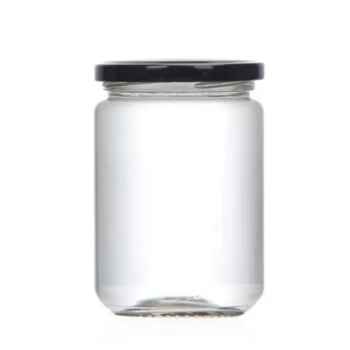
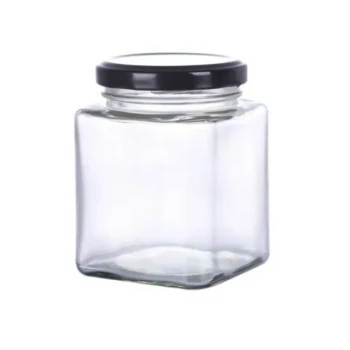
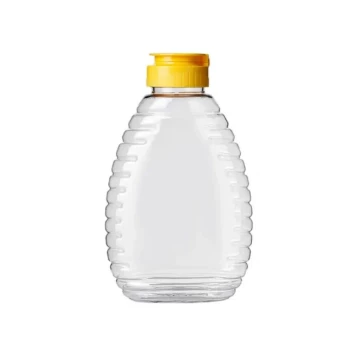
The primary advantage of using glass jars for honey storage is their ability to maintain the honey's chemical integrity and flavor profile without alteration. As a non-reactive material, glass creates a stable environment that provides a superior airtight seal, effectively blocking environmental moisture and external odors that can degrade quality.
Glass is chosen not just for its aesthetic appeal, but for its chemical stability. By being non-reactive and impermeable, it ensures the honey remains chemically unaltered, preserving its specific floral notes and nutritional profile indefinitely.
Chemical Integrity and Flavor Preservation
The Inert Nature of Glass
The most critical technical advantage of glass is that it is chemically inert. Unlike reactive materials, glass will not interact with the honey's chemical composition, ensuring that the flavor remains exactly as the bees produced it.
Eliminating Chemical Leaching
Plastic containers carry a risk of chemicals leaching into food products over time, particularly under fluctuating temperatures. Glass is non-toxic and eliminates this risk entirely, guaranteeing the purity and safety of the honey for long-term consumption.
Preserving Delicate Floral Notes
Honey is susceptible to absorbing scents from its container or the surrounding environment. Because glass does not absorb or impart odors, it safeguards the authentic taste and aroma of the honey, which is vital for gourmet varieties with distinct flavor profiles.
Environmental Protection and Longevity
Superior Airtight Sealing
Honey is hygroscopic, meaning it naturally attracts moisture from the air, which can lead to fermentation. Glass jars generally provide a tighter, more reliable seal than other materials, preventing moisture ingress and oxidation.
Temperature Resilience
Glass is far less affected by extreme temperatures than plastic. This stability protects the honey during storage and transport, ensuring the product does not degrade due to heat-induced chemical changes in the packaging.
Durability and Scratch Resistance
Plastic containers are prone to scratching and physical degradation over time. Glass is durable and resistant to scratching, maintaining a hygienic surface that does not harbor bacteria or compromise the container's structural integrity.
Visual Inspection and Marketability
Transparency for Quality Assessment
The high transparency of glass allows for immediate visual inspection of the product. Producers and consumers can directly observe the color, purity, and crystallization levels of the honey, which are key indicators of quality.
Establishing Market Trust
For premium or artisanal markets, the packaging is part of the product's value proposition. The sophisticated appearance of glass enhances consumer perception, signaling a high-quality, natural product that has been minimally processed.
Understanding the Trade-offs
Weight and Portability
While glass offers superior protection, it is significantly heavier than plastic. This makes glass less convenient for everyday travel or bulk transport where shipping weight is a primary cost factor.
Fragility and Safety
The most obvious disadvantage of glass is that it is breakable. In high-activity environments or households with small children, the risk of shatter makes lightweight, unbreakable plastic a more practical, albeit less protective, alternative.
Making the Right Choice for Your Goal
To select the best storage method, you must weigh the importance of chemical purity against practical convenience.
- If your primary focus is long-term preservation: Choose glass to prevent oxidation, moisture absorption, and flavor degradation over months or years.
- If your primary focus is selling a premium product: Use clear glass to showcase the honey's natural color and establish trust regarding its purity.
- If your primary focus is daily convenience or travel: Opt for food-grade plastic, which is lightweight and shatterproof, accepting that it is less suitable for indefinite storage.
Ultimately, glass remains the superior technical choice for anyone prioritizing the absolute preservation of honey's natural state.
Summary Table:
| Feature | Glass Jars | Plastic Containers |
|---|---|---|
| Chemical Stability | Inert (No leaching) | Potential for chemical migration |
| Flavor Preservation | Superior; protects floral notes | May absorb or impart odors over time |
| Moisture Protection | High (Excellent airtight seal) | Moderate (Higher risk of oxidation) |
| Durability | Scratch-resistant; heavy | Prone to scratches; lightweight |
| Consumer Perception | Premium/Artisanal appeal | Standard/Economical appeal |
| Product Visibility | High transparency for quality check | Lower transparency over time |
Elevate Your Honey Brand with HONESTBEE
At HONESTBEE, we understand that the quality of your honey depends on the quality of its storage. As a leading provider for commercial apiaries and distributors, we offer a comprehensive wholesale range of beekeeping tools, machinery, and equipment. From specialized honey-filling machines to a wide array of high-quality glass storage solutions, we provide the hardware you need to preserve the purity of your harvest.
Ready to scale your production? Contact us today to explore how our industrial equipment and premium packaging can enhance your operation's efficiency and market value.
Related Products
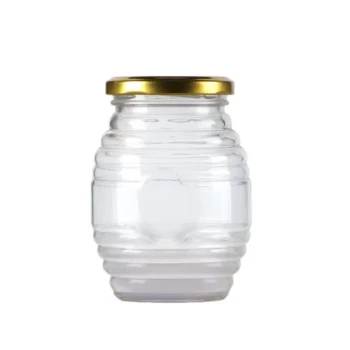
- Classic Glass Honey Jar with Metal Lug Cap for Beehive Storage
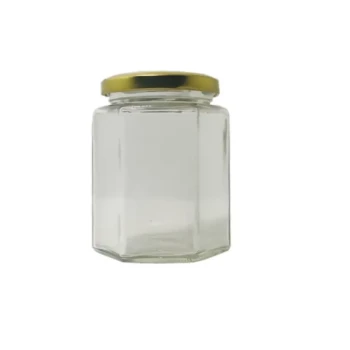
- Hexagonal Glass Honey Jars with Metal Lug Caps Elegant Versatile Packaging
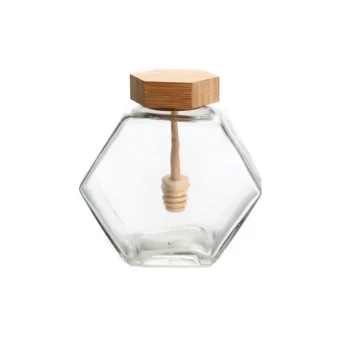
- Hexagonal Glass Honey Jar with Wooden Lid Integrated Dipper Elegant Functional Storage
- Classic Drum Shaped Glass Honey Jar with Airtight Lid
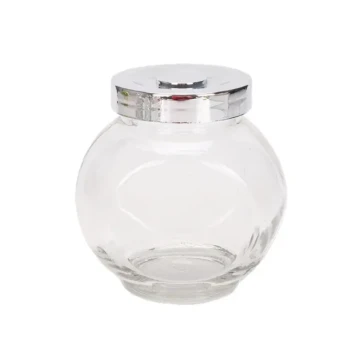
- Classic Round Glass Honey Jar with Lid
People Also Ask
- What are the benefits of glass jars regarding strength and safety for storing honey? Ensure Purity and Long-Term Quality
- What are the benefits of using high-transparency Glass Jars for honey? Elevate Purity and Premium Branding
- What is the aesthetic appeal of using glass jars for honey? Elevate Your Brand with Premium Packaging
- Which container is best for storing honey? Preserve Purity & Flavor with the Right Choice
- What are the advantages of glass containers for honey? Elevate Quality and Market Value with Premium Packaging